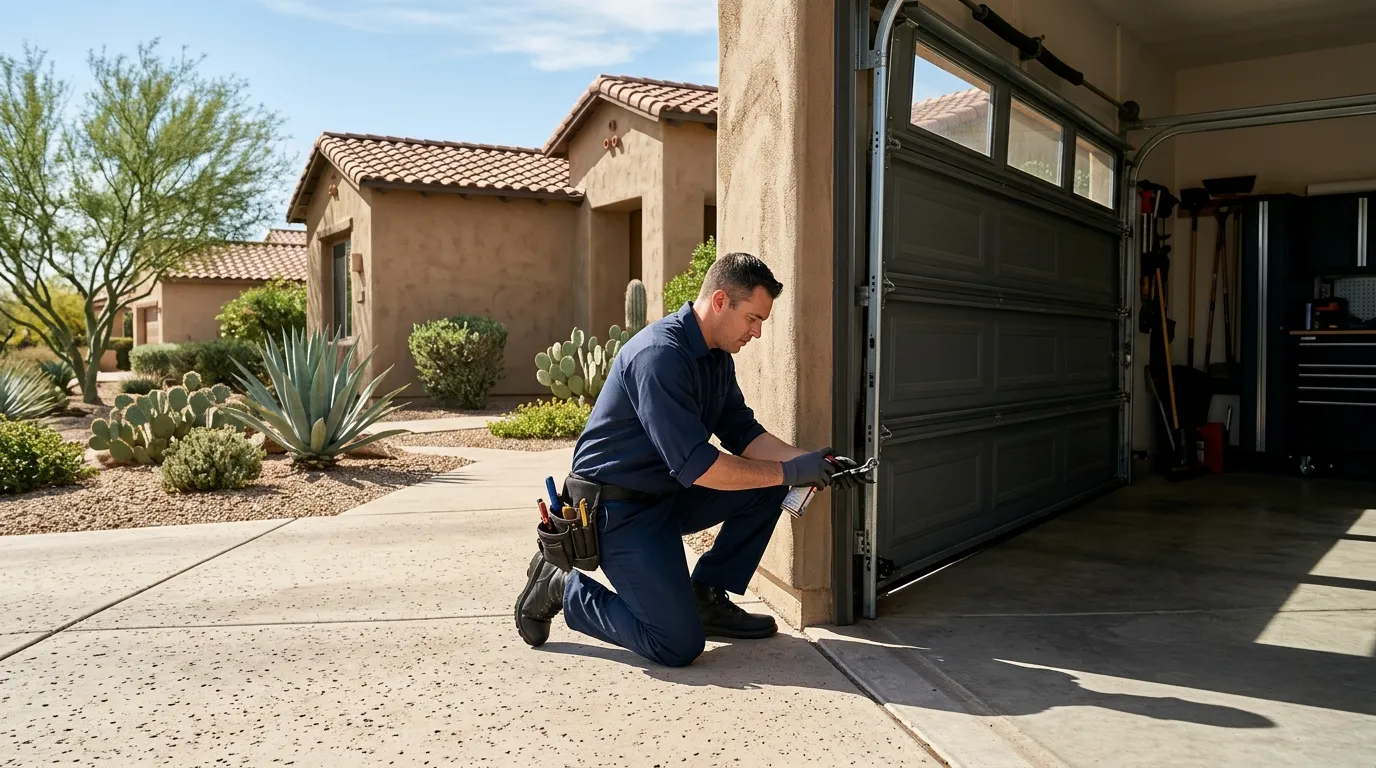
Garage Door Maintenance for Berkley's 1970s-Era Doors
Berkley's houses date to about 1977 on average, meaning steel sectional doors and older spring hardware. Arvada Garage Door Pros services this maintenance need from 7 miles away.
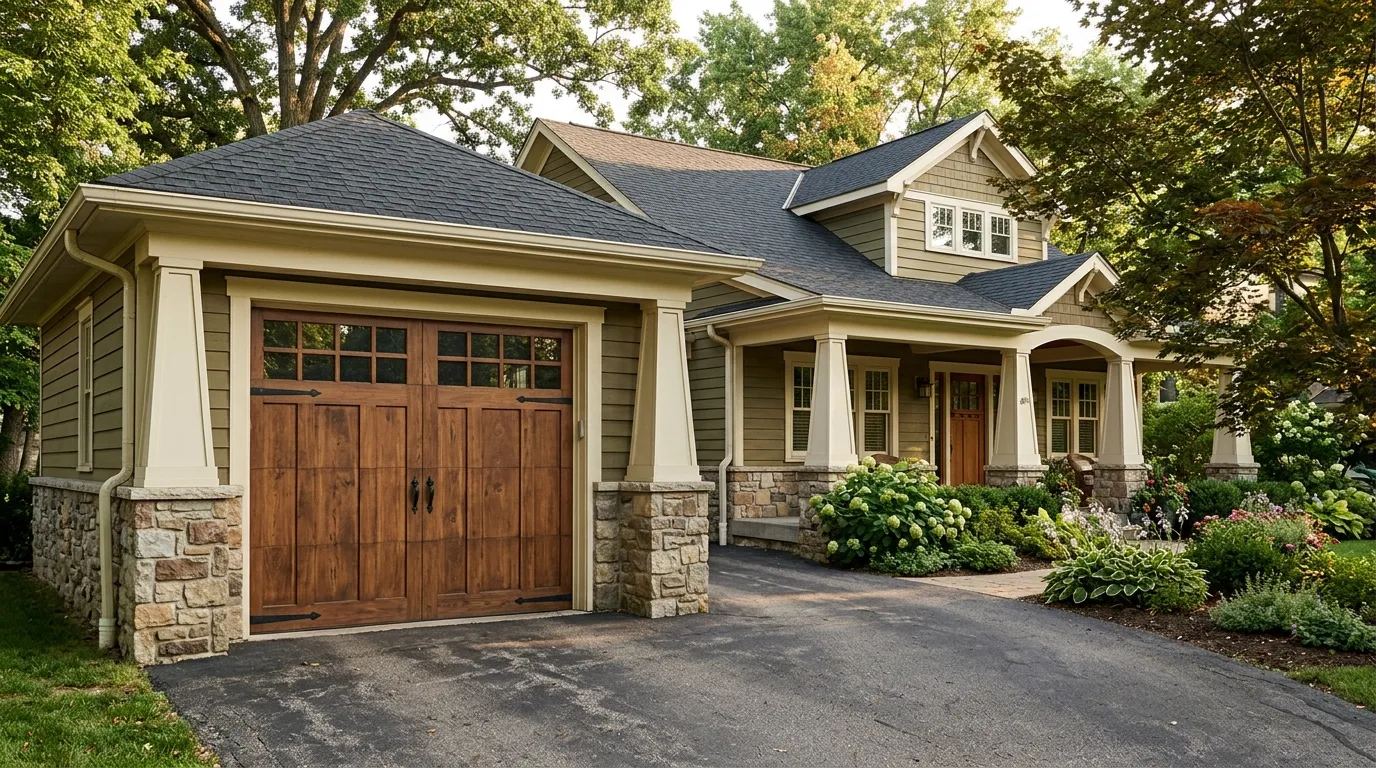
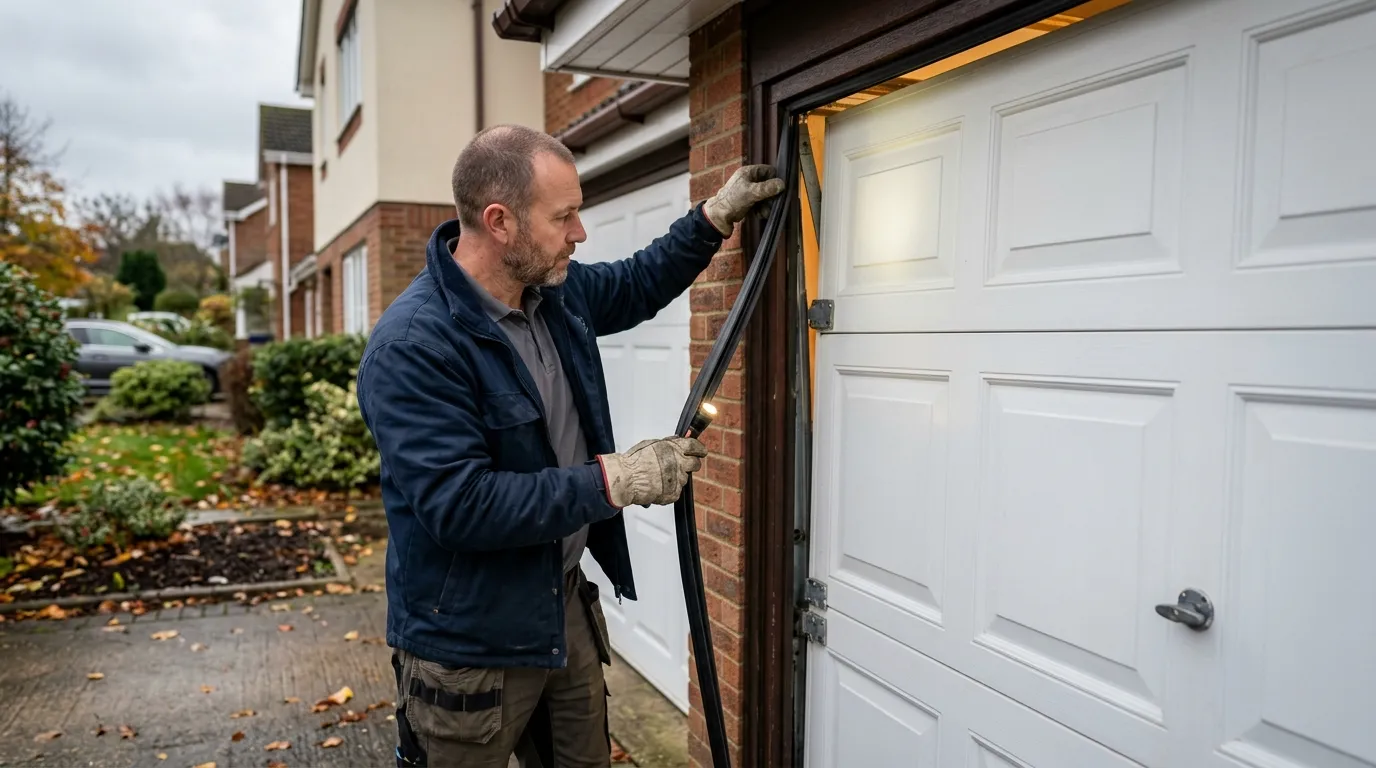
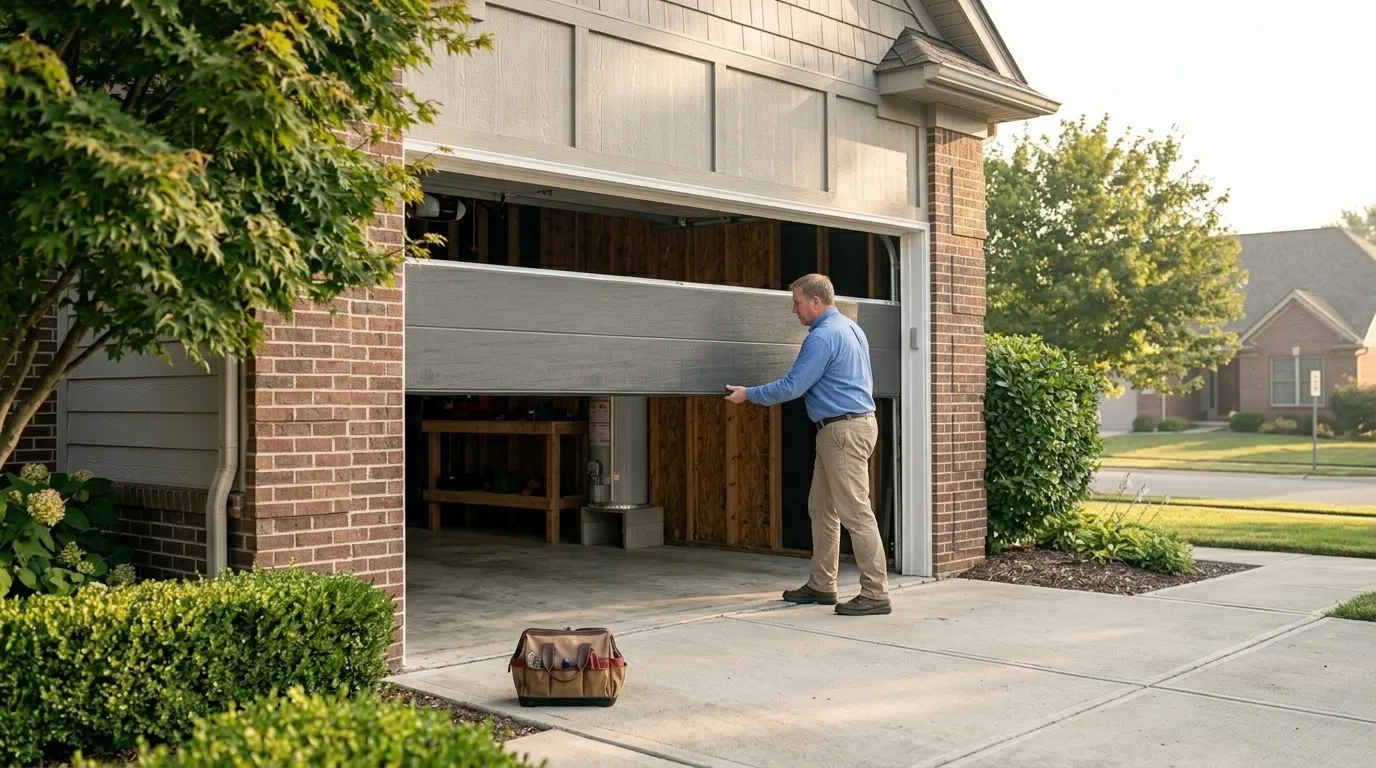
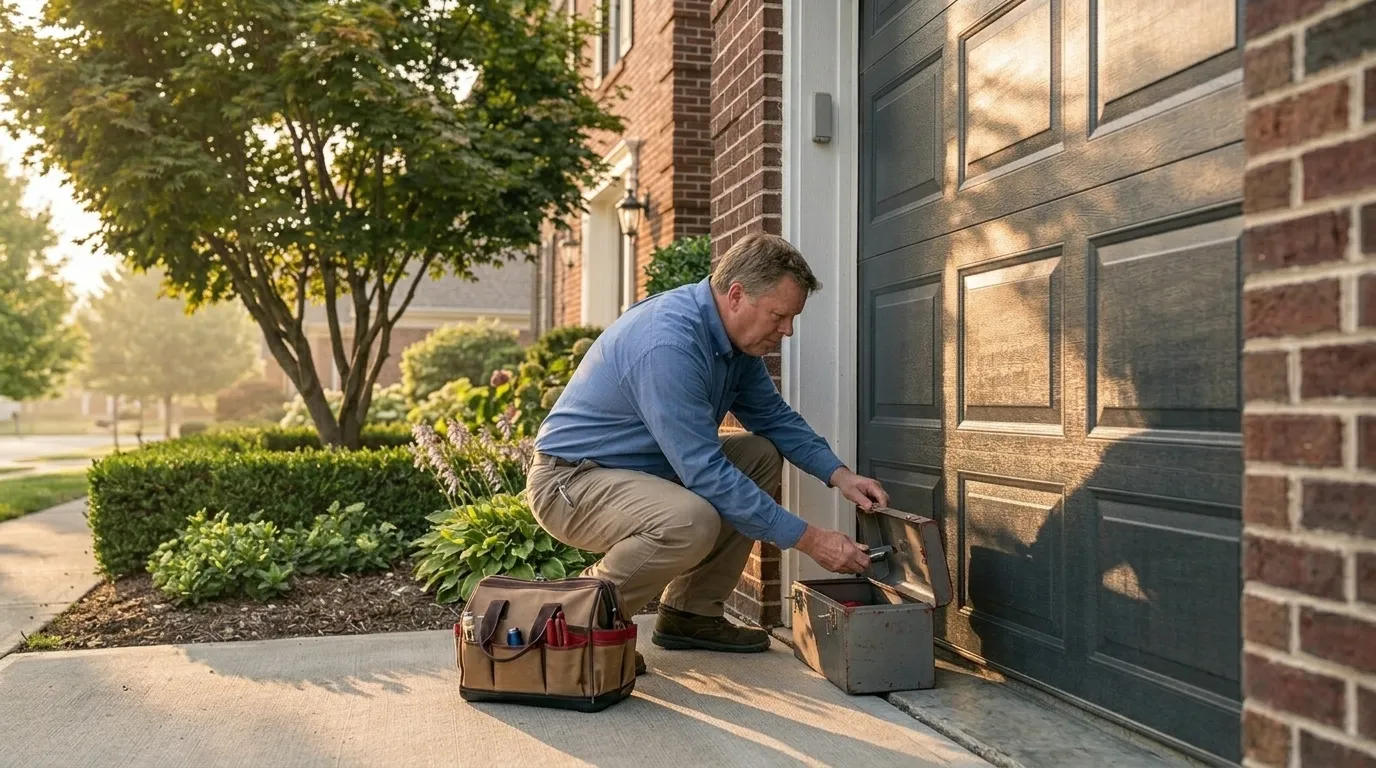
Most of the doors we see in Berkley went up around 1977, the median build year for this pocket of the service area. That means a steel sectional door, usually 16x7 for a two-car opening, without the foam-injected insulation that shows up in doors built after the 1990s. These are simpler doors mechanically, but they've had close to five decades of Colorado winters to work springs, rollers, and hinges loose. A maintenance visit on a door this age tends to run longer than on a newer install, because the hardware wants inspection at more points - hinges, roller stems, the track bolts that back out over time - not just a lube-and-go. We don't post a flat number here because a door with a stuck extension spring costs different labor than one that just needs cables and rollers checked. What we can tell you is that Berkley's housing stock, sitting right in that 1960s-70s band common across this part of the service area, means we're rarely dealing with modern insulated panels when we get a call from this side of town.
Berkley households run a median income of $76,232, which is below the $110,968 median across the full service area. We mention it because it shapes what we recommend: on a door this age, we'd rather tell you which three things actually need doing now and which can wait, instead of upselling a full teardown.
Getting It Booked In
We run this route from Arvada, about 7 miles out, so a maintenance call in Berkley goes on the same truck schedule as the rest of the service area rather than a dedicated local crew. That's worth knowing going in - we're not based in Berkley, we're driving to it. Booking works the same as anywhere else we cover: you tell us what the door's doing (or not doing), we ask a few questions about age and symptoms, and we get a slot on the calendar. Nothing about the drive changes what we charge or how we work once we're at the door.
How Long You Are Without the Door
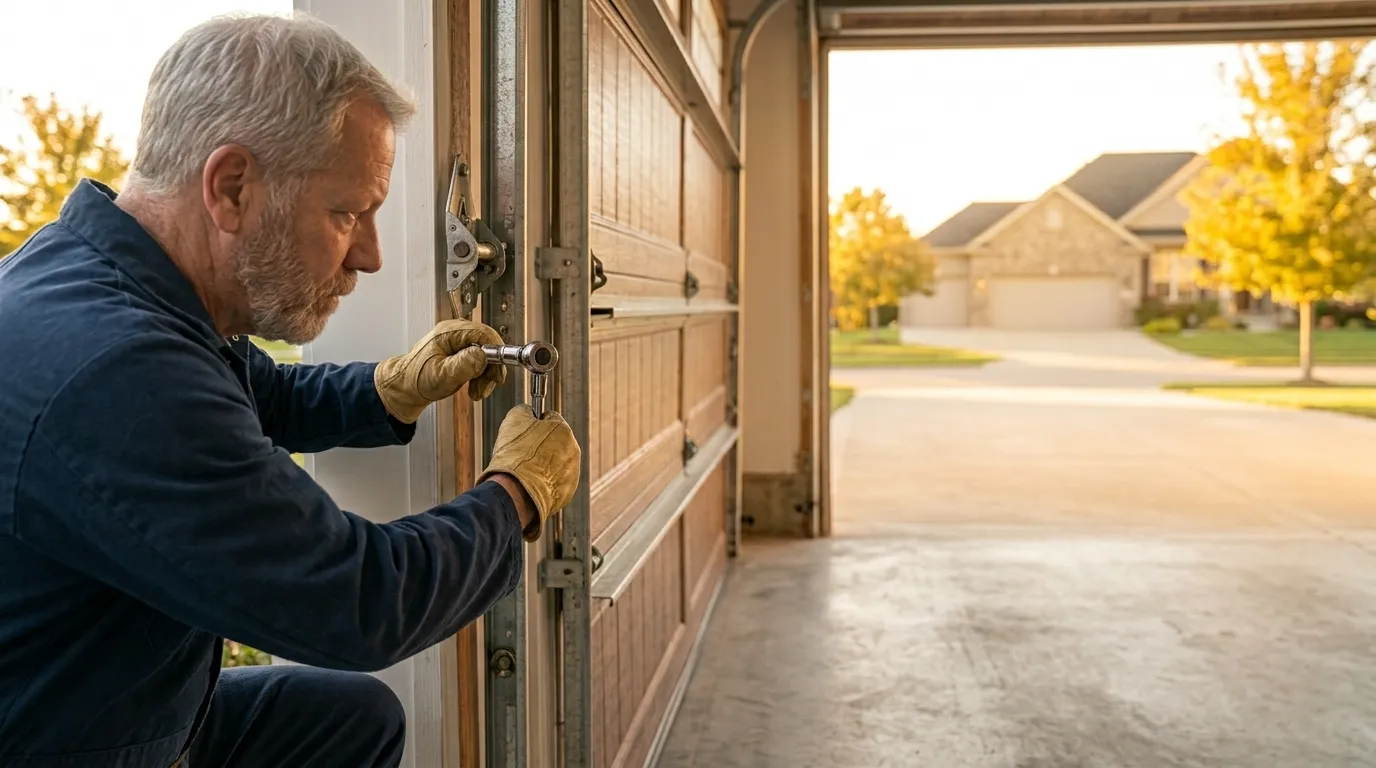
A straight maintenance visit - lube, hardware check, balance test, spring tension check - doesn't put your door out of service at all. You keep using it while we work, and it's done in one visit. Where the door does go down for a stretch is if the inspection turns up something that needs a part we don't carry on the truck. On a 1977-era door, that's more common than on a newer one: extension spring sets, older-style track sections, and some roller and hinge patterns from that build era aren't things every supplier stocks off the shelf anymore. If that happens, we'll tell you on the spot rather than let you find out later.
The DIY Question
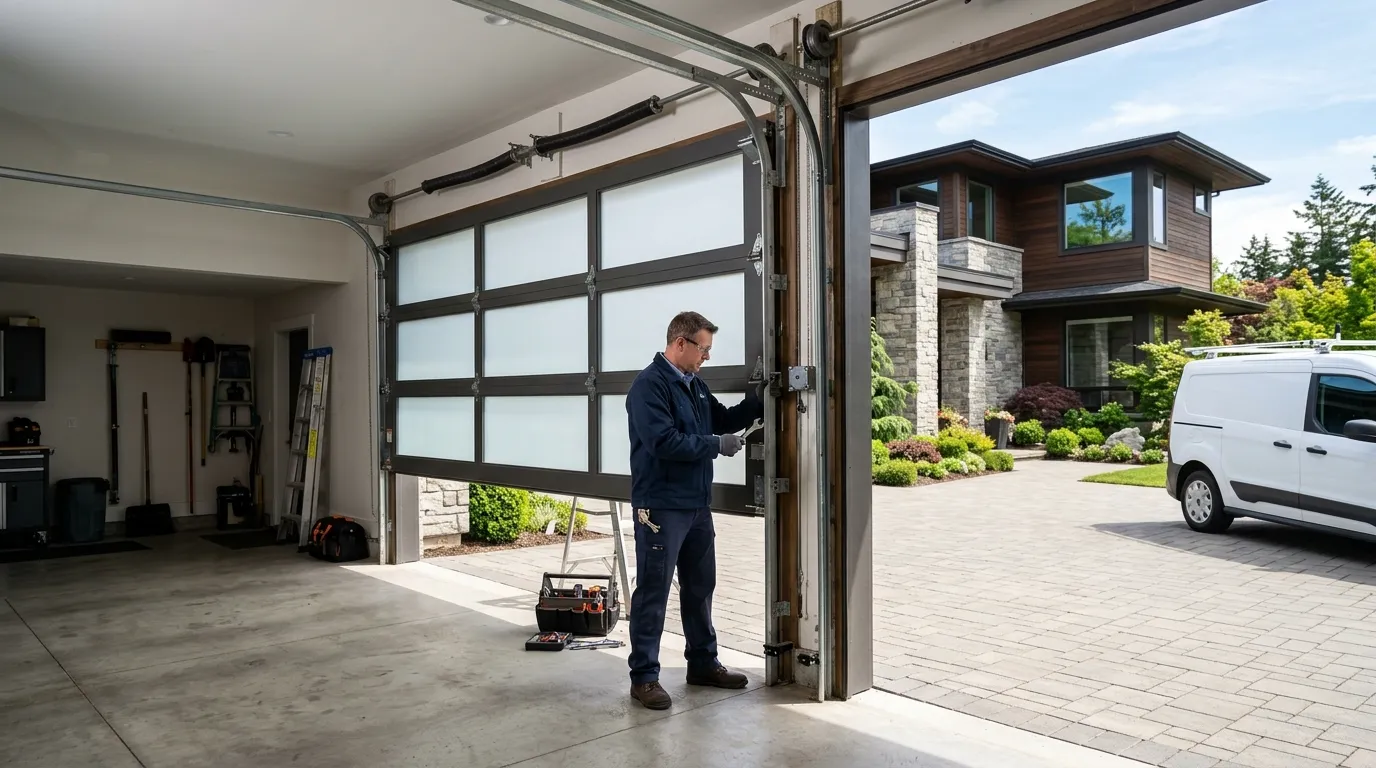
There's real maintenance you can do yourself on a door this age: wipe down and lube the rollers and hinges every few months, check that the track bolts haven't backed out, and watch for fraying on the lift cables. What you shouldn't touch is the spring system. On a door built around 1977, you're likely looking at an extension spring setup rather than torsion, and those springs store enough force to break a hand or worse if you're not trained on the release procedure. We're honest that a lot of routine upkeep is within reach for a homeowner with a ladder and a Saturday morning. Spring work isn't one of those jobs, on any door, in any era.
The Complications
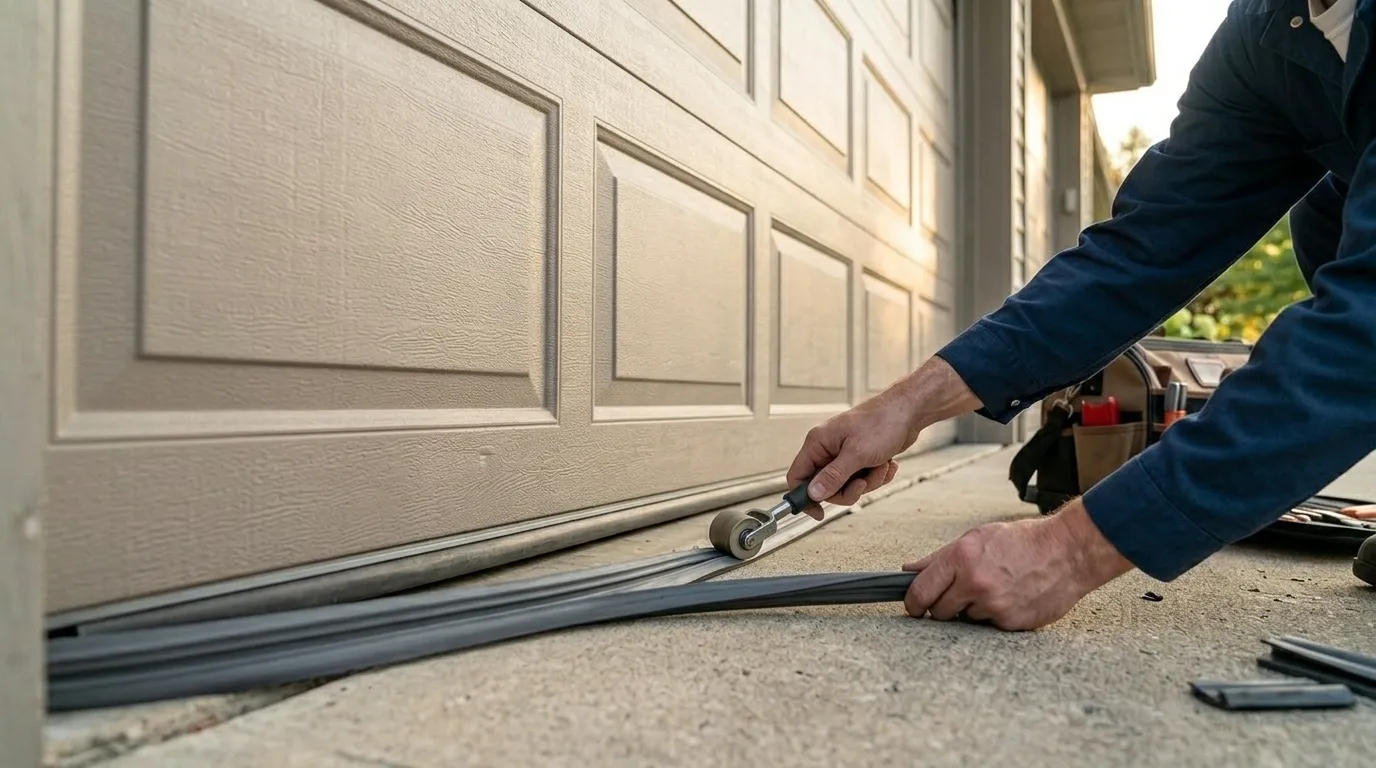
Berkley sits in a cold-climate zone, and a door built in the 1970s wasn't engineered with the weatherstripping standards that came later. Cold makes steel contract, and on an older frame that means gaps widen at the bottom seal and along the sides - not a safety issue on its own, but it accelerates rust on hardware that's already had 45-plus years to age. We also see settling on houses from this era shift the track alignment slightly, which throws off balance in ways that aren't obvious until the opener starts straining. None of this is unusual for the housing stock here; it's just not something a newer door in a different part of the service area deals with the same way.
Stocked Parts
We carry common rollers, hinges, and standard-size cables on the truck, along with lube and basic hardware fasteners. What we don't always have on hand are extension springs sized for older door models or track hardware specific to 1960s-70s builds - those sometimes need to be ordered, which is the honest limitation on same-visit repairs for a door this age. If your maintenance visit turns up a part we don't carry, we'll tell you the lead time before we commit you to it.
How it works
From “it’s stuck” to “it’s fixed”
01
Tell us what’s wrong
Describe the symptom - won’t open, loud bang, opener runs but the door won’t move.
02
On-site diagnosis
A technician tests the door under power and by hand and finds what actually failed.
03
Clear, up-front plan
You get the fix that’s needed and what drives the cost - before any work starts.
04
Repaired & tested
The repair is done, the door is set true and tested, and the work area left clean.
Serving Arvada, CO - tell us what your door’s doing and we’ll take it from there.
Straight answers about garage door repair in Arvada. Still unsure? Ask us directly.
How old is a typical garage door in Berkley?
Most houses in this part of the service area were built around 1977, the median year for the neighborhood. That usually means a steel sectional door without the foam insulation common in doors made after the 1990s, often paired with older-style spring hardware.
Do you have a crew based in Berkley?
No. We work out of Arvada and drive to Berkley, about 7 miles away, on the same schedule as the rest of the service area. There's no separate local branch or faster response tied to this specific suburb.
Can I maintain an older extension-spring door myself?
Lubing rollers and hinges and checking for loose track bolts is fine to do yourself. Never touch the spring system - extension springs on a door this age store enough force to cause serious injury if released wrong, regardless of how confident you feel with tools.