Columbine, CO has about 9,559 households and mostly mid-1970s doors. Here's what that means for repair calls, stocked parts, and what actually breaks out here.
Columbine is a smaller stop on our route than most of the towns we cover - about 9,559 households, which is a fraction of the roughly 99,082 owner-occupied houses across the whole service area. That size matters more than it sounds like it should. A town this size doesn't generate the volume of repeat calls that keeps a crew intimately familiar with every subdivision's quirks, so when we do get a call from Columbine, we're often looking at a door and opener combination that's aged quietly for years without anyone touching it. The symptom that brings us out is usually the same handful: a door that groans and stalls halfway up, a spring that lets go with a bang, or an opener that runs but the door won't lift. What differs town to town is what's behind the symptom, and here that's tied directly to when the houses went up and how the springs and track have held up since.
How Long You Are Without the Door
We run this call out of Arvada, and Columbine sits about 18 miles out - enough drive time that it changes how we plan the day rather than how fast we can show up on a whim. We don't have a branch or depot in Columbine, so every job here is a truck coming from Arvada with the parts it's carrying that day. That's an honest limitation: if your door needs something unusual that isn't on the truck, you're looking at a second trip rather than a same-visit fix. For the common failures - broken spring, snapped cable, worn rollers - we carry what covers most 1970s-era doors and get you closed up and secure the same visit. For anything outside that, we'll tell you straight rather than pretend we can improvise a part we don't have.
Stocked Parts
Most houses in Columbine went up around 1976, which puts the doors and hardware squarely in a familiar band for us: torsion springs sized for standard steel sectional doors, steel track, and openers that have usually been replaced once or twice since the house was built. That's what we stock heavily - torsion springs in the common sizes, standard-drum cable, rollers, and hinges that fit that era of door. What we don't carry on the truck is anything for a custom or architect-grade door, or oddball opener parts from brands that stopped making replacement boards years ago. If your door is one of those, we'll say so up front rather than guess and charge you for a part that doesn't fit.
What Causes It Around Here
The service area sits in a cold-climate zone with severe winter conditions, and that hits older torsion springs harder than people expect. Steel contracts in the cold, and a spring that's already fatigued from forty-plus years of cycling is more likely to snap on a January morning than a July afternoon. Columbine's housing, sitting around that 1976 median build year, is right at the point where original springs and openers are due for failure on age alone, cold weather or not. Add in a winter cold snap and you get the calls bunching up - a spring that was going to go eventually goes now. It's not that Columbine's weather is unusual for the area; it's that the age of the hardware here lines up with the point in that hardware's life when cold makes the difference between limping along and breaking.
What the Fix Involves
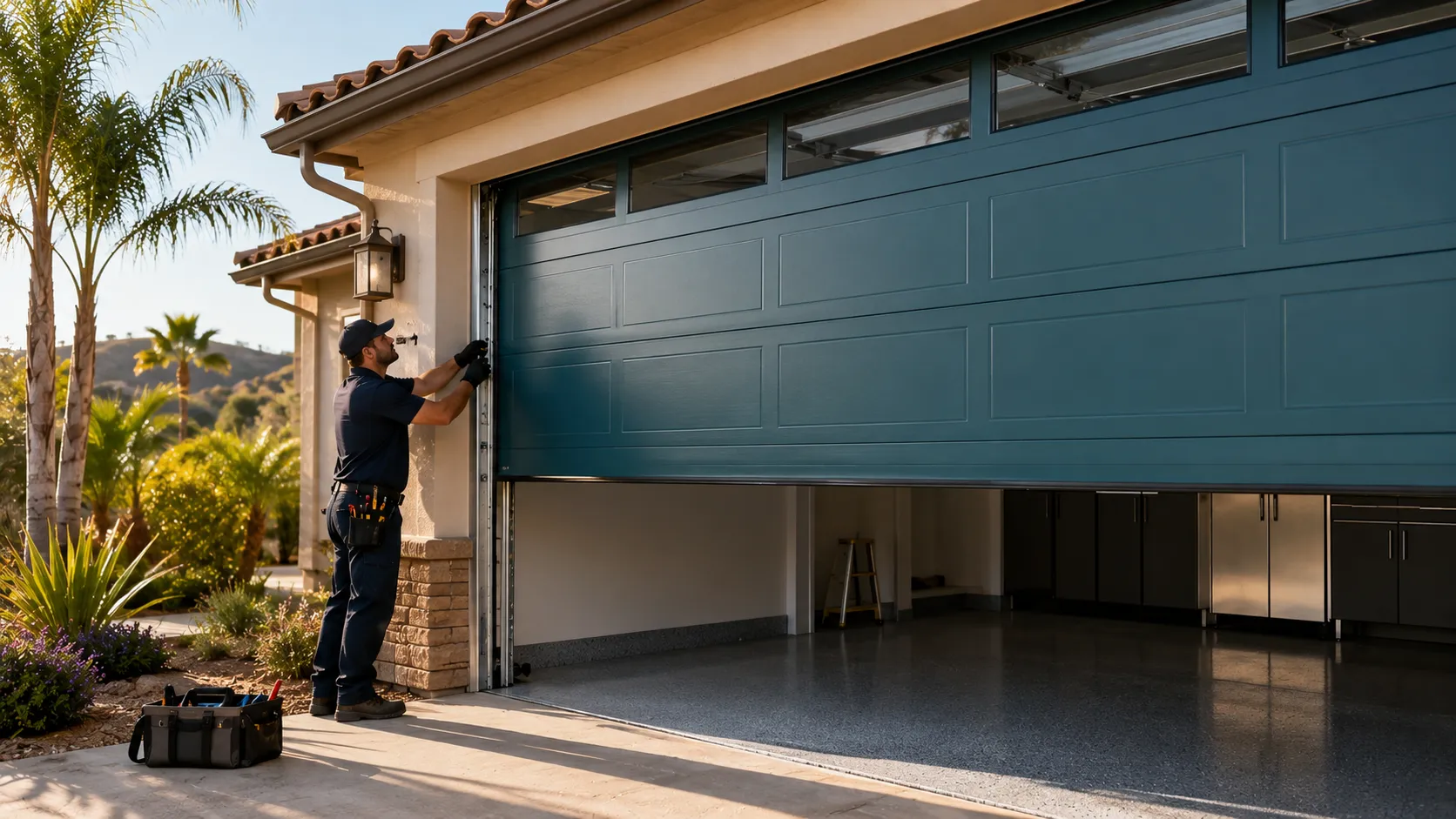
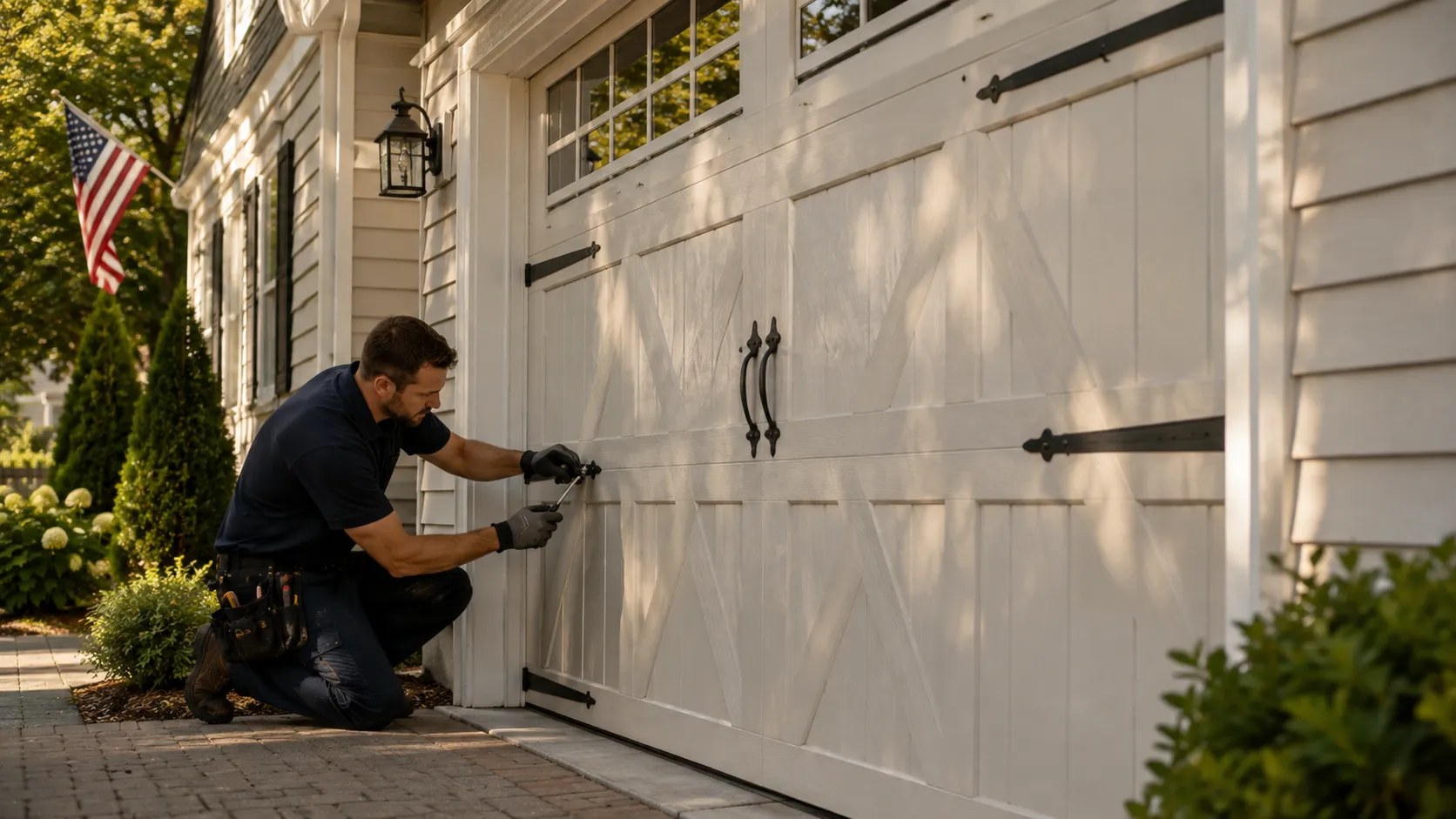
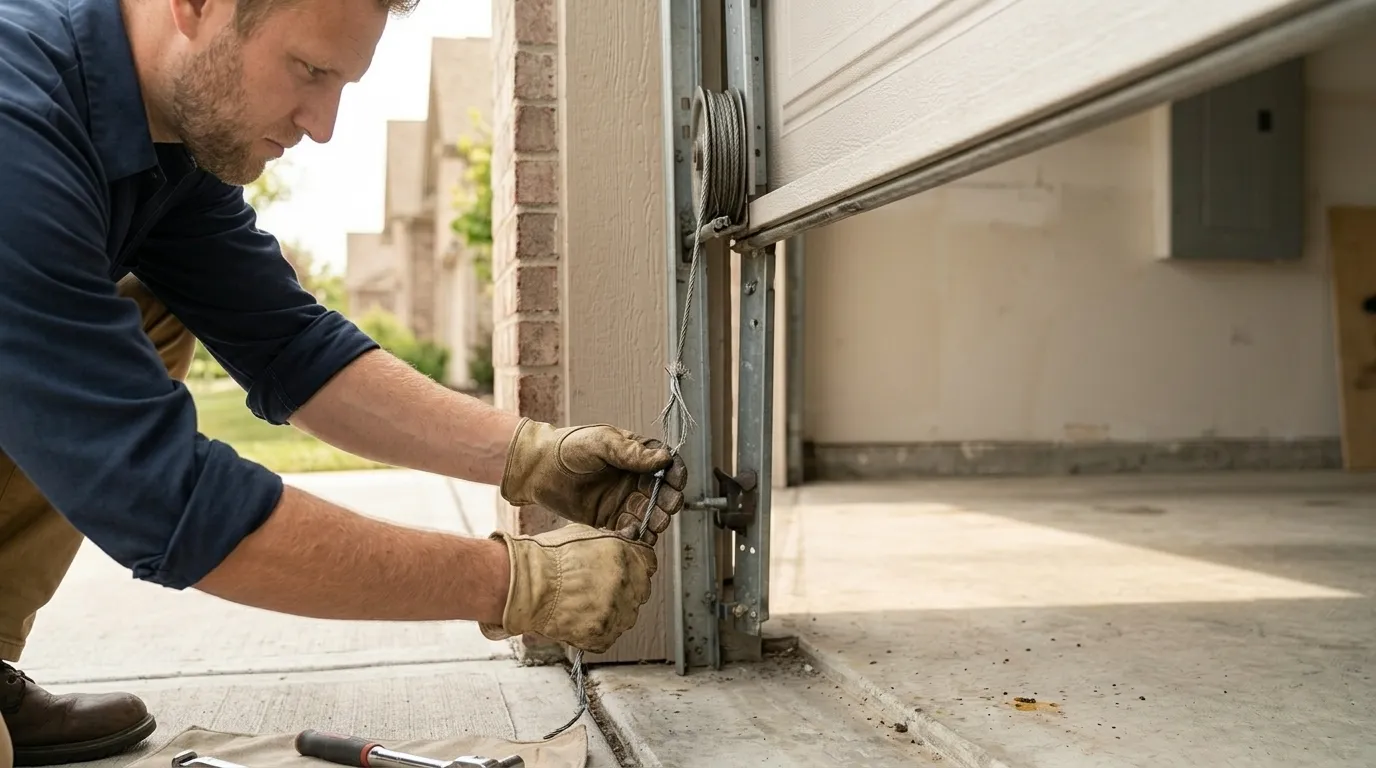
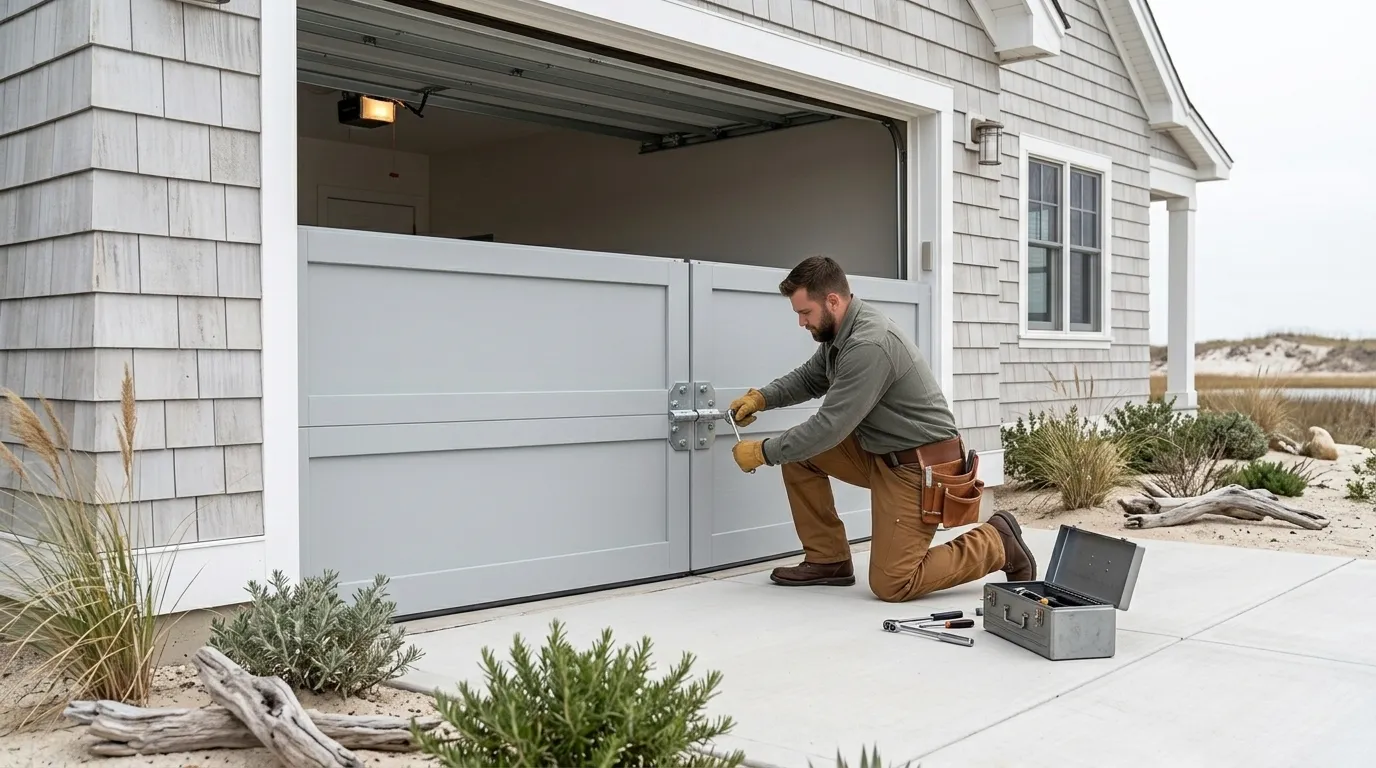
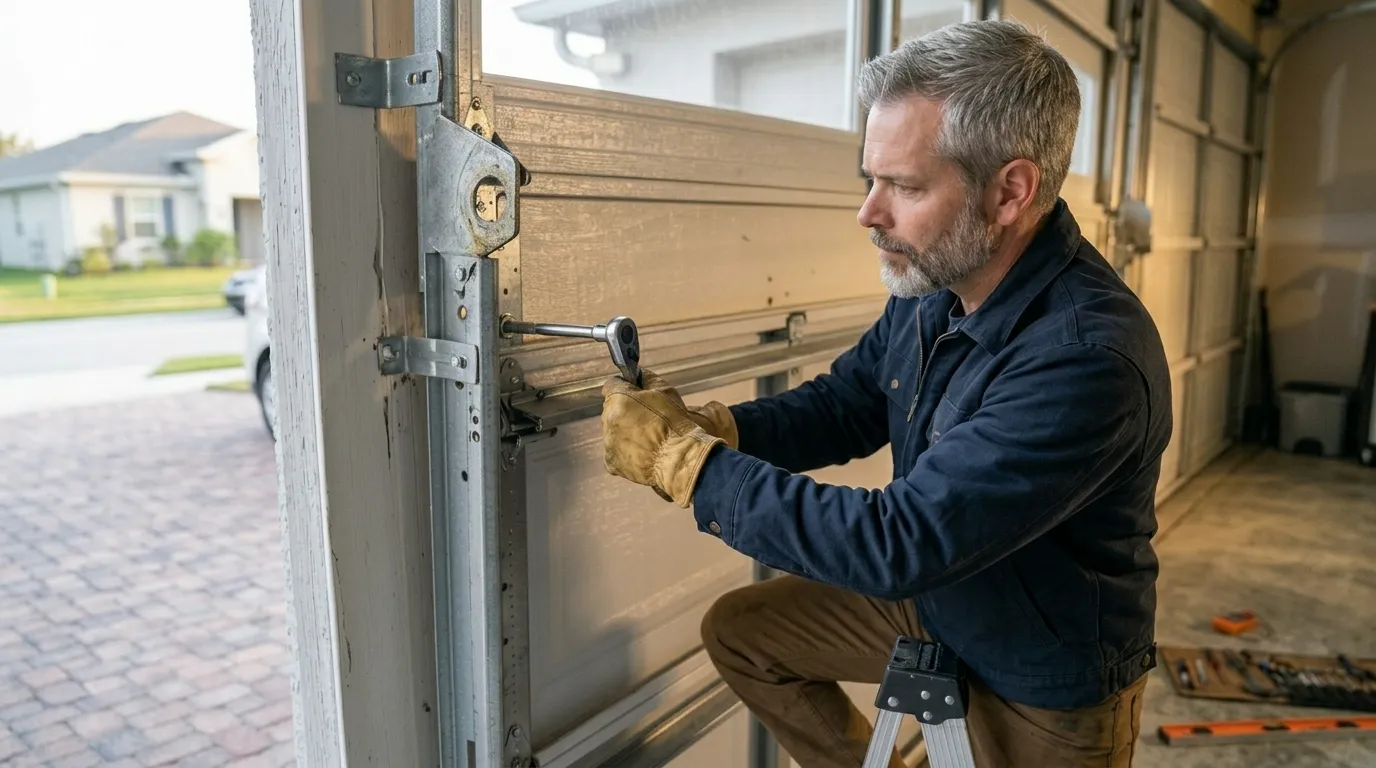
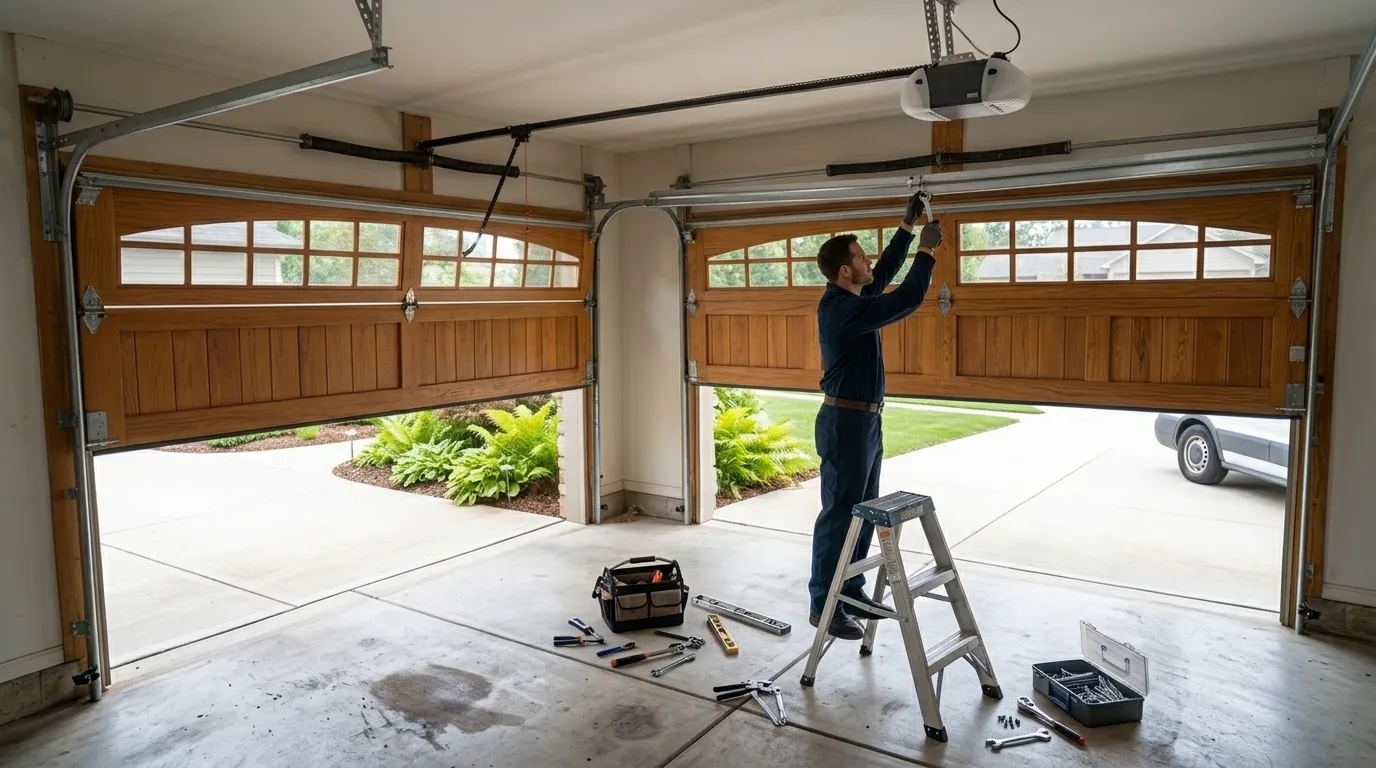
For a typical Columbine call, the fix starts with confirming it's actually the spring and not a track or opener problem masquerading as one - a bent track can mimic a dead spring, and pulling the wrong part wastes your money. Once we've confirmed it, we pull the old torsion spring, check the drum and cable for wear at the same time since they're already exposed, and set a new spring matched to your door's weight and size. On a house built around 1976, that's usually a straightforward torsion setup, not the older extension-spring style that needs a different approach. We'll also check the opener's force settings after a spring swap, since a door that's suddenly balanced differently can trip the opener's safety reversal if nobody adjusts for it.
The DIY Question
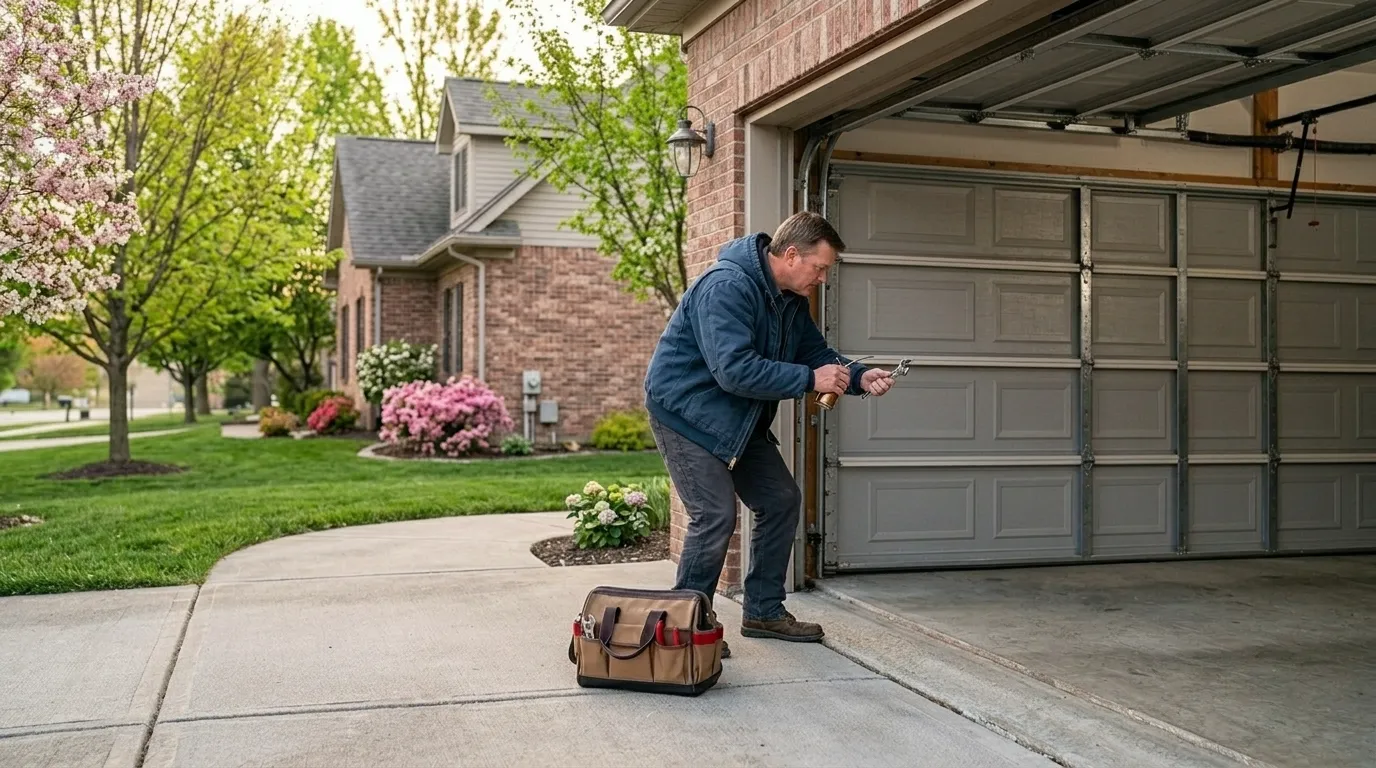
A broken torsion spring is not a DIY repair, full stop. These springs are wound under enough tension to break a finger or worse if you don't have the right bars and don't know the sequence, and that's true whether the door is five years old or fifty. What you can safely check yourself is whether the problem is actually the spring at all - look for a visible gap in the spring coil above the door, check if the opener light blinks a specific number of times, and check the track for obvious bends. If it's a loose bolt or a dirty track, that's fair game to handle yourself. If it's a spring, a cable, or anything that requires taking tension off the door, that's the call where the drive time from Arvada is worth it.
How it works
From “it’s stuck” to “it’s fixed”
01
Tell us what’s wrong
Describe the symptom - won’t open, loud bang, opener runs but the door won’t move.
02
On-site diagnosis
A technician tests the door under power and by hand and finds what actually failed.
03
Clear, up-front plan
You get the fix that’s needed and what drives the cost - before any work starts.
04
Repaired & tested
The repair is done, the door is set true and tested, and the work area left clean.
Serving Arvada, CO - tell us what your door’s doing and we’ll take it from there.
Straight answers about garage door repair in Arvada. Still unsure? Ask us directly.
Do you have a branch closer to Columbine?
No. We run this call out of Arvada, about 18 miles away. There's no local depot, so what the truck carries that day is what we've got to work with. For common repairs on 1970s-era doors that's rarely a problem, but it's worth knowing upfront.
Why did my spring break in the cold?
Steel springs get more brittle as they contract in low temperatures, and a spring that's already worn from decades of cycling is more likely to fail on a cold morning than a mild one. Columbine's housing stock, mostly built around 1976, is right at the age where this starts showing up regardless of the weather.
Is my door too old to fix instead of replace?
Not necessarily. A door from the mid-1970s with a sound panel and track usually just needs the spring, cable, or opener addressed. Replacement makes more sense when the panels are rusted through or the track is bent beyond adjustment - we'll tell you which situation you're in before recommending either.
Can I replace a torsion spring myself?
We don't recommend it. Torsion springs hold enough stored tension to cause serious injury without the right winding bars and technique. Track adjustments, loose hardware, and lubrication are fine to handle yourself; anything involving the spring or cable under tension is not.