Panel Replacement for Columbine's 1970s Garage Doors
Columbine homes from the mid-1970s carry steel sectional doors built for a different era. Arvada Garage Door Pros replaces damaged panels to match what's already on the track.
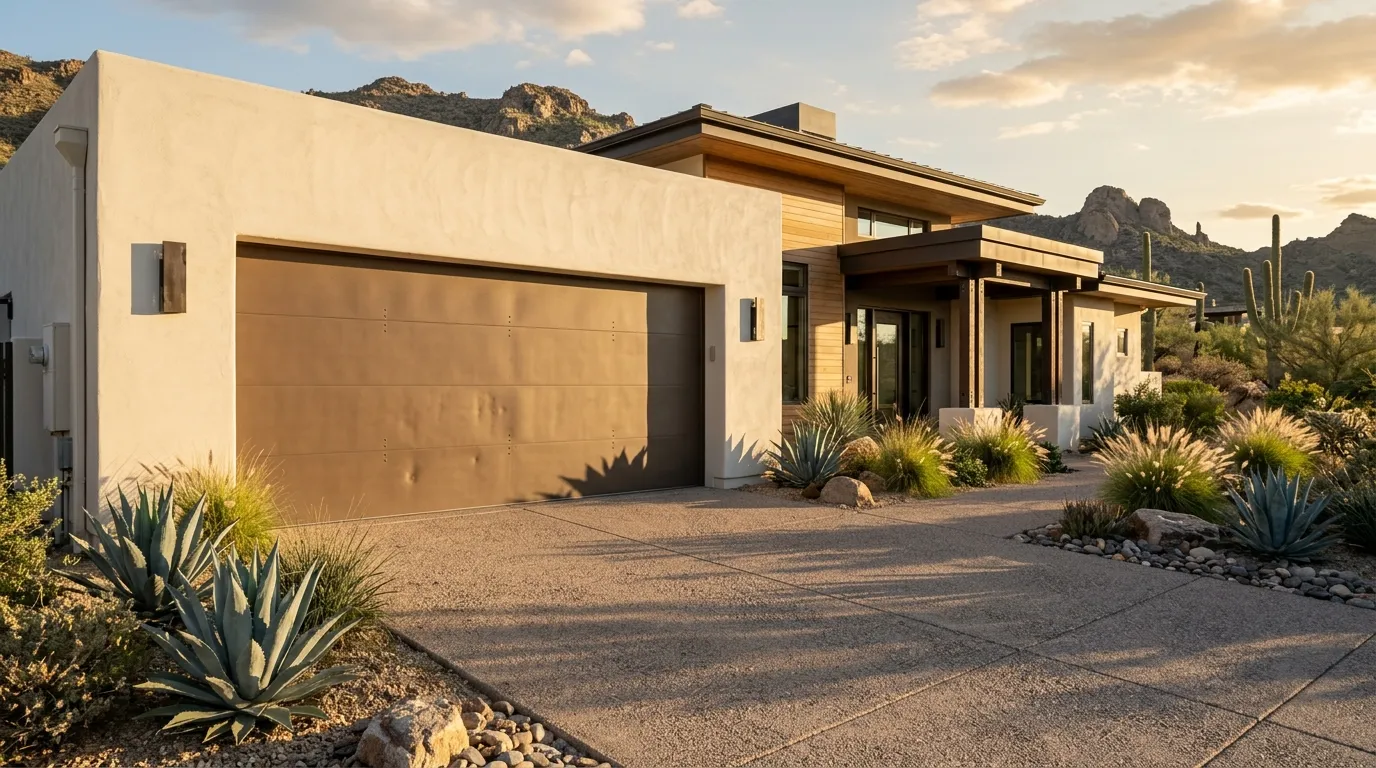
Most garage doors on this side of Columbine are steel sectional units that went up around 1976, when the neighborhood was built out. That's a single-layer steel door, no foam core, sitting on tracks sized for the 9x7 or 16x7 openings common to that build era. When a panel on one of these gets hit - a trailer backing in wrong, a basketball, a decade of hail - it doesn't dent and pop back like a newer insulated door. The steel is thinner and the ribbing pattern is often a style you don't see on doors built after the 1990s. You'll see a crease that runs the width of the section, sometimes a bow that keeps the door from tracking straight, sometimes a hole clean through if rust had already started eating the seam. On a door this age, one bad panel usually means the whole section needs to come off, not just a patch.
How Long You Are Without the Door
We work out of Arvada, and Columbine sits about 18 miles out, so this isn't a job where someone's parked nearby waiting for a call. Expect the visit to be scheduled, not same-hour. Once we're on site, panel swaps on a standard sectional door are usually a same-visit job if we're carrying the right match - the labor itself doesn't take long once the section is identified and pulled. The variable is parts. If your door is a common size from that era, we can often source and install in one trip. If it's an odd width or a discontinued panel profile, the wait is on the manufacturer's shelf, not on us.
Stocked Parts
We carry the panel styles and hardware that fit the doors most common to homes built in the late 1970s and into the 1990s - steel sectional sections in standard residential widths, standard rollers, and the torsion hardware that fits those tracks. What we don't stock is anything custom-width or a discontinued embossing pattern from a manufacturer that's since changed its panel line. If your door falls into that category, we'll tell you at the estimate, not after we've ordered the wrong piece.
What Causes It Around Here
Colorado's Front Range sits in a severe cold climate zone, and that matters more for panels than people think. Steel contracts in hard cold and expands again fast when a sunny afternoon follows an overnight freeze - that cycle, repeated every winter for close to fifty years on a door built in 1976, works the seams and the panel-to-panel joints loose. Add hail, which this stretch of the Front Range gets its share of, and you've got two separate stresses hitting the same aging steel. On a door that old, a panel that's already thinned by rust or fatigue takes a hail hit or an impact that a newer door would have shrugged off. It's not that Columbine sees anything unusual - it's that the housing stock here is old enough for the wear to have caught up with it.
What the Fix Involves
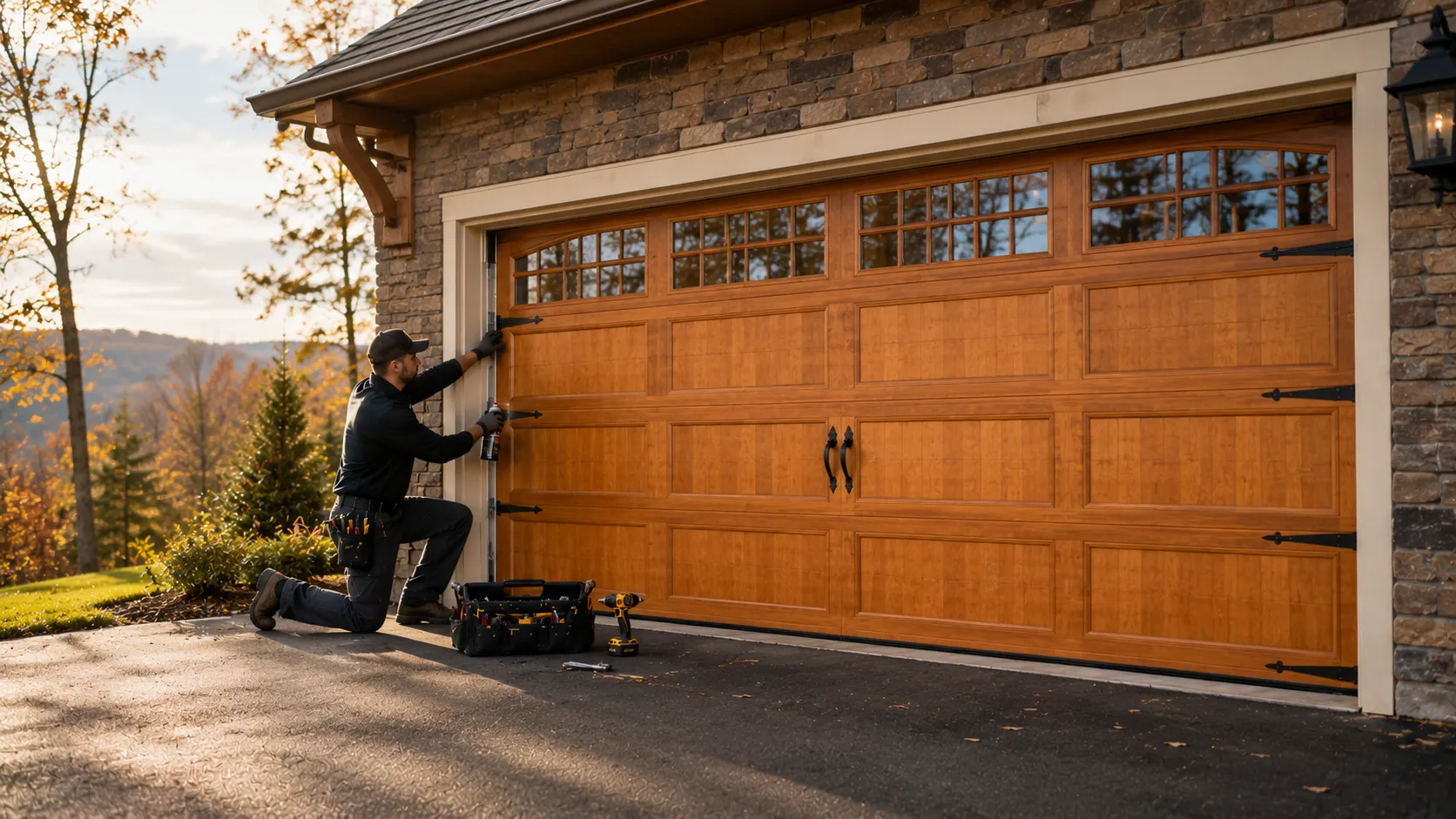
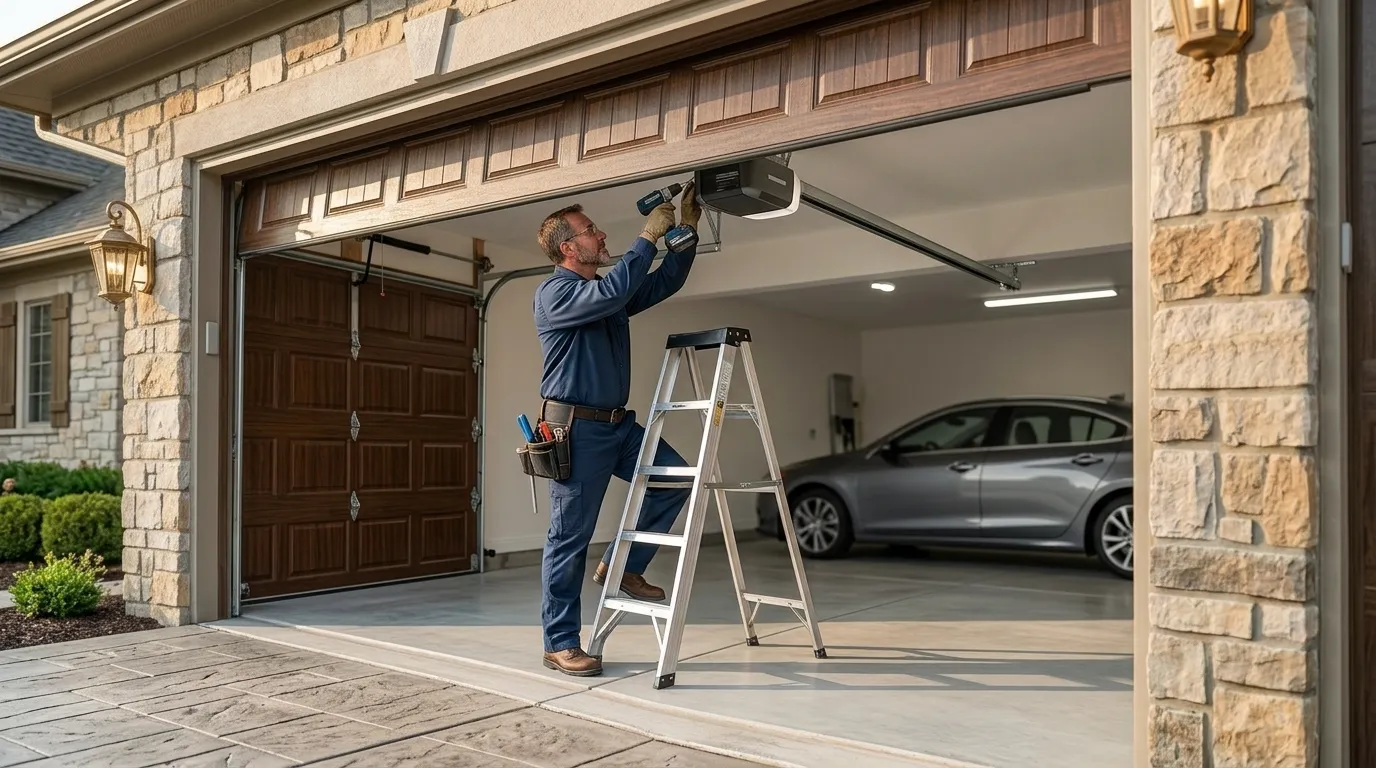
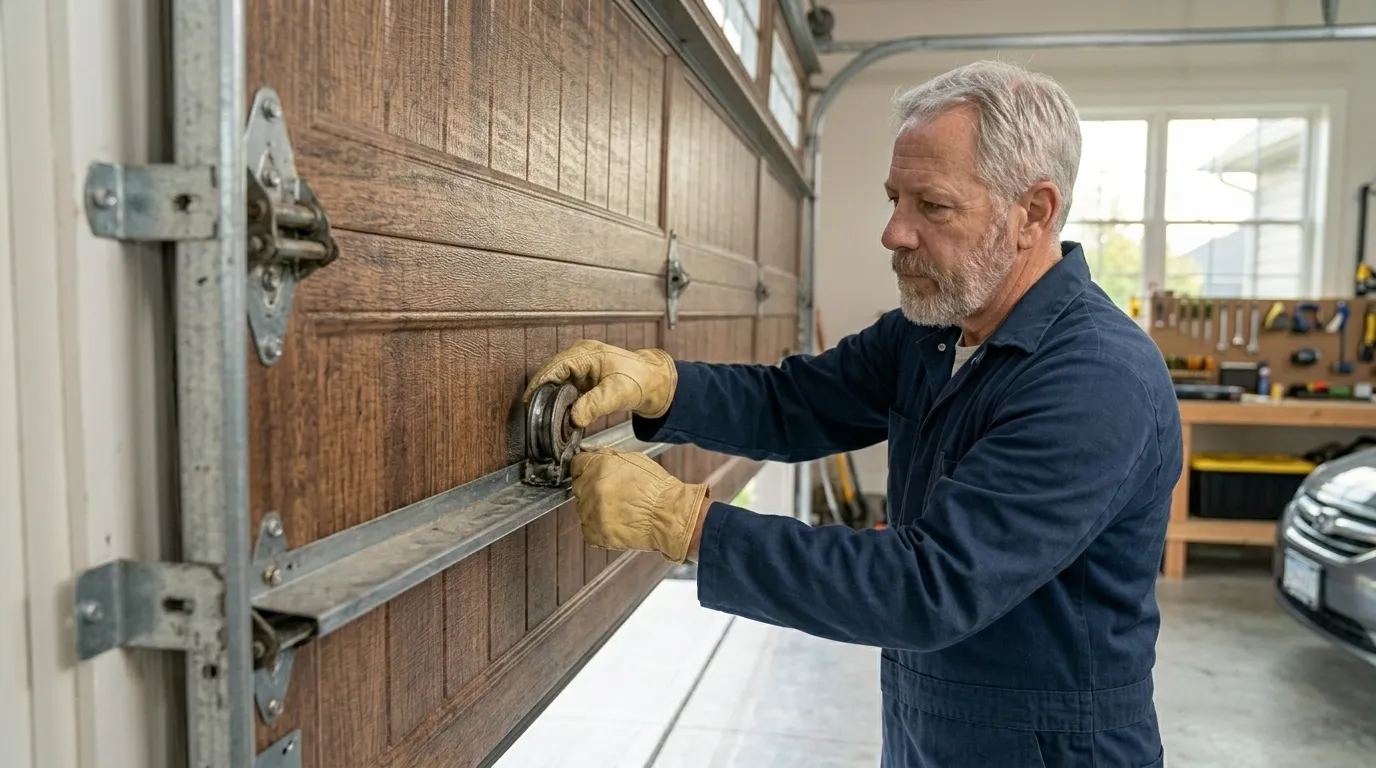
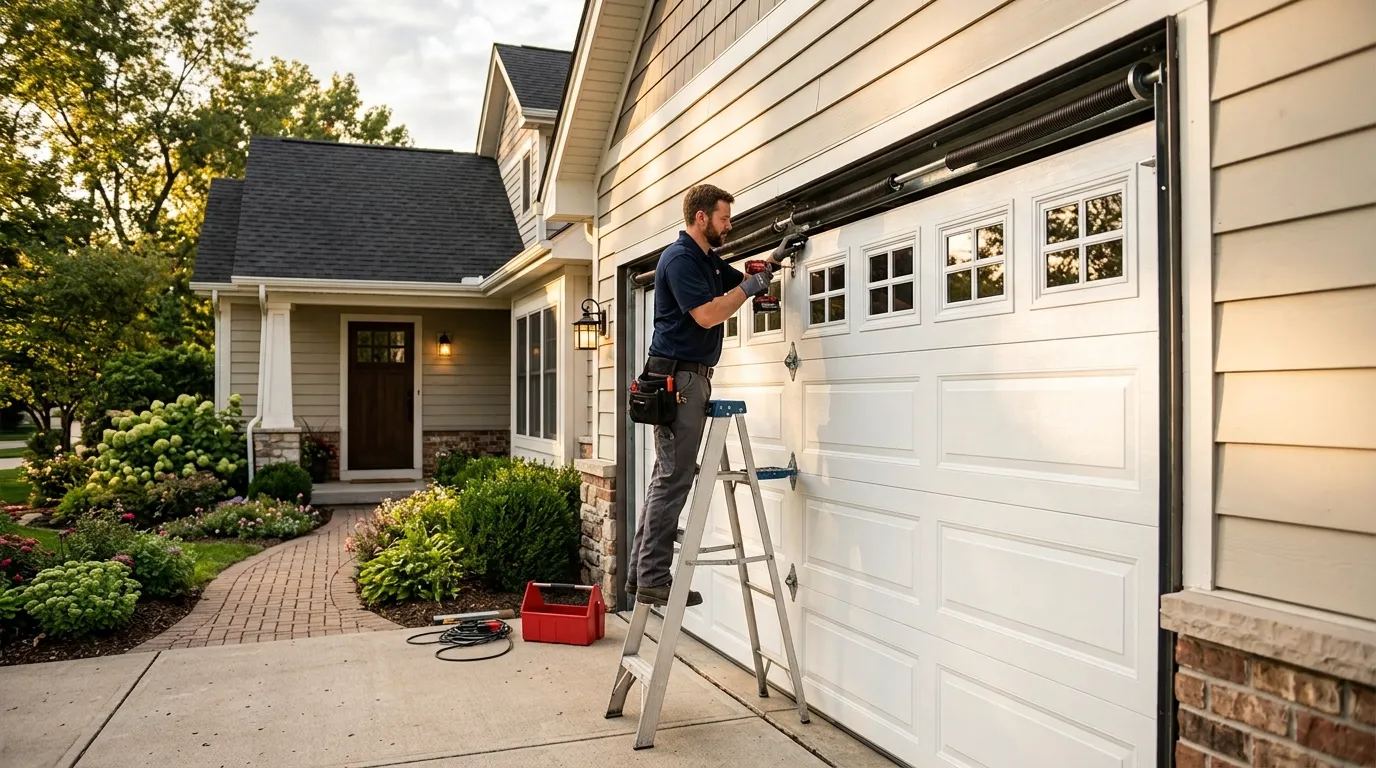
We pull the damaged section, check the rollers and hinges it was riding on for wear, and match a new panel to the existing door's width and profile before it goes back on. On a door with 1970s-style hardware, we're often re-checking the torsion spring tension too, since replacing a heavier or lighter panel section changes the balance the spring was set for. If the whole door has multiple panels showing the same age-related fatigue - not just the one that got hit - we'll say so plainly. Replacing one section on a door that's forty-eight years old sometimes buys you a few more years and sometimes just delays a full door replacement by a season. We'd rather tell you that up front than sell you a single panel and have you call back in six months.
The DIY Question
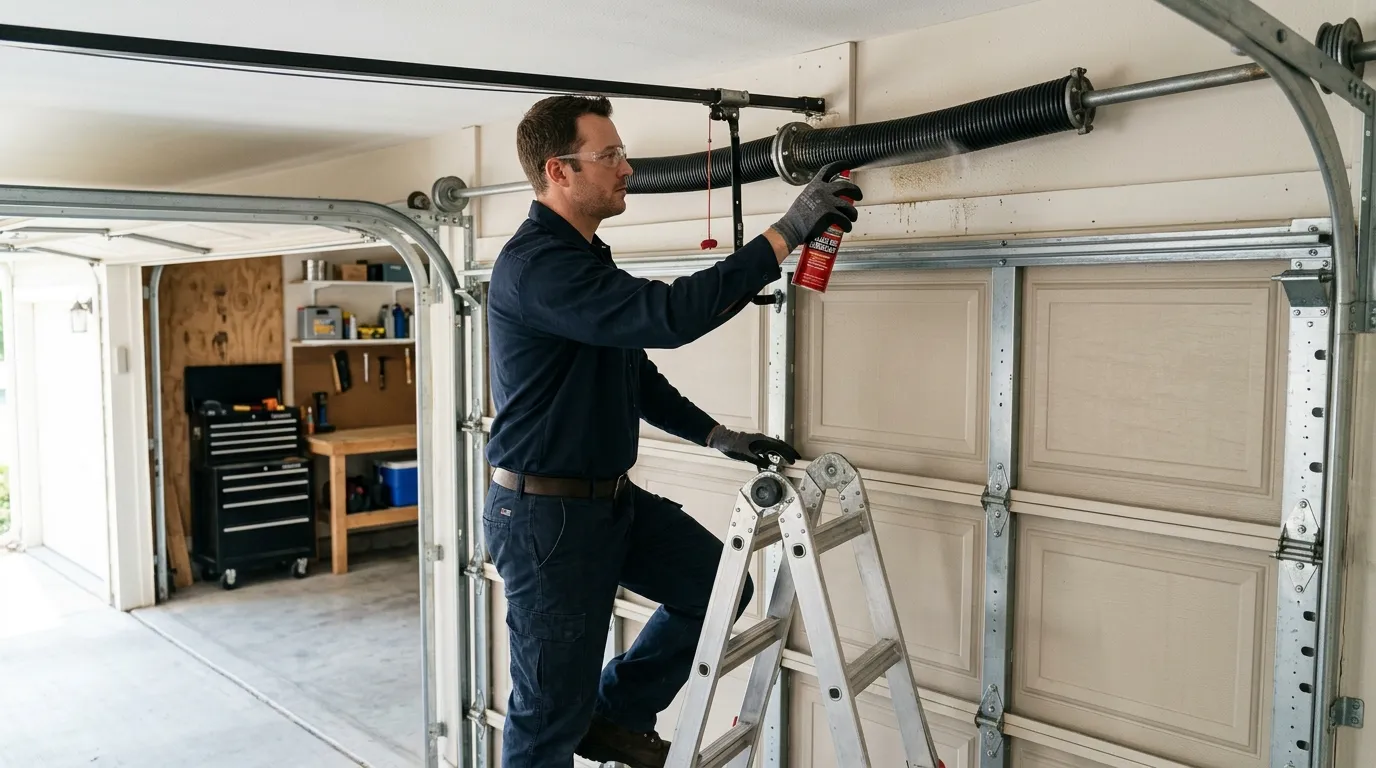
Panel swaps look simple online but the section has to come off a loaded torsion system, and on a door this old, that spring has had five decades to wear unevenly. We don't recommend homeowners pull panels themselves on a sectional door with live spring tension - it's the single fastest way to get hurt on a garage door job. If you're set on doing it yourself, at minimum have someone qualified check the spring and cable condition first. That's the one part of this job that isn't worth saving on.
How it works
From “it’s stuck” to “it’s fixed”
01
Tell us what’s wrong
Describe the symptom - won’t open, loud bang, opener runs but the door won’t move.
02
On-site diagnosis
A technician tests the door under power and by hand and finds what actually failed.
03
Clear, up-front plan
You get the fix that’s needed and what drives the cost - before any work starts.
04
Repaired & tested
The repair is done, the door is set true and tested, and the work area left clean.
Serving Arvada, CO - tell us what your door’s doing and we’ll take it from there.
Straight answers about garage door repair in Arvada. Still unsure? Ask us directly.
Does the age of my door affect how hard it is to find a matching panel?
Yes. Doors built in the 1970s often used panel profiles that newer manufacturers have discontinued or changed. If your door matches a common size we stock, replacement is straightforward. If it's an older or unusual embossing pattern, we may need to special-order, which adds time.
Can you replace just one panel instead of the whole door?
Usually, yes, if the rest of the door and its hardware are sound. On a door old enough that other panels are showing the same fatigue, we'll tell you honestly whether a single-panel fix is worth it or whether you're better off planning for full replacement.
How fast can someone get to Columbine?
We're based in Arvada, about 18 miles away, so visits here are scheduled rather than same-hour. Once scheduled, most standard panel jobs are completed in a single visit if the part is in stock.