Garage Door Maintenance for Commerce City's Newer Housing Stock
Commerce City homes run newer than the rest of the Arvada service area. Maintenance here means catching opener and roller wear before a $106,756-income household faces a full swap.
Commerce City's median household income sits at $106,756, close to the $110,968 median across the rest of our service area, and that number matters more than people think. At that income level, a $200-400 tune-up beats a $1,200 opener swap almost every time, but only if the tune-up happens before the part fails outright. The math flips once a spring snaps mid-cycle and takes the bottom panel with it - then you're paying for the visit and the damage.
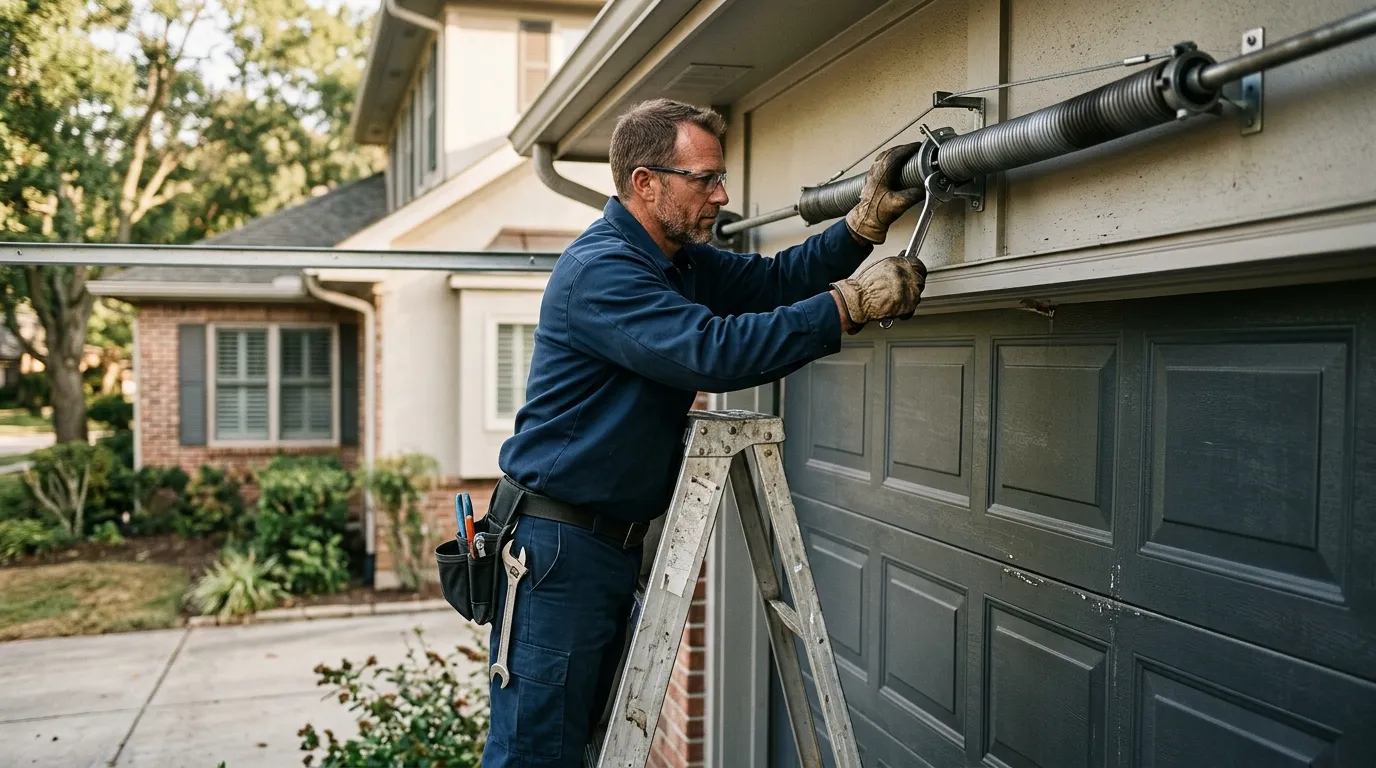
We run our truck stock off what the wider service area needs, which skews toward the older torsion setups common closer to Arvada. Commerce City's housing is different: much of it went up well after that, so we're mostly working with standard-width torsion springs, factory steel rollers, and post-1993 openers with photo-eye safety sensors already built in. We carry those sizes. What we don't keep on the truck is anything discontinued or oddball - if a previous owner put in a non-standard opener or an off-brand track, that part may need to be ordered, and we'll tell you that up front rather than improvise a fix that won't hold.
How Long You Are Without the Door
We don't run a branch in Commerce City. Every job comes out of Arvada, roughly 19 miles away, and that distance is worth knowing before you book. It doesn't change whether we can fix the door - it changes how we plan the visit. If we know in advance what's failed, we load the part before we leave and the job is one trip. If we get there and find something the truck doesn't carry, that's a second trip, and with a 19-mile drive each way, that's not a same-afternoon fix.
This is the honest limitation: we're not a local shop that can swing by twice in an hour. Telling us the symptom clearly when you call - grinding, a door that won't close all the way, an opener that runs but the door doesn't move - lets us stock the right spring, roller, or sensor before the drive, and that's what actually keeps you from waiting a second day.
The Symptom
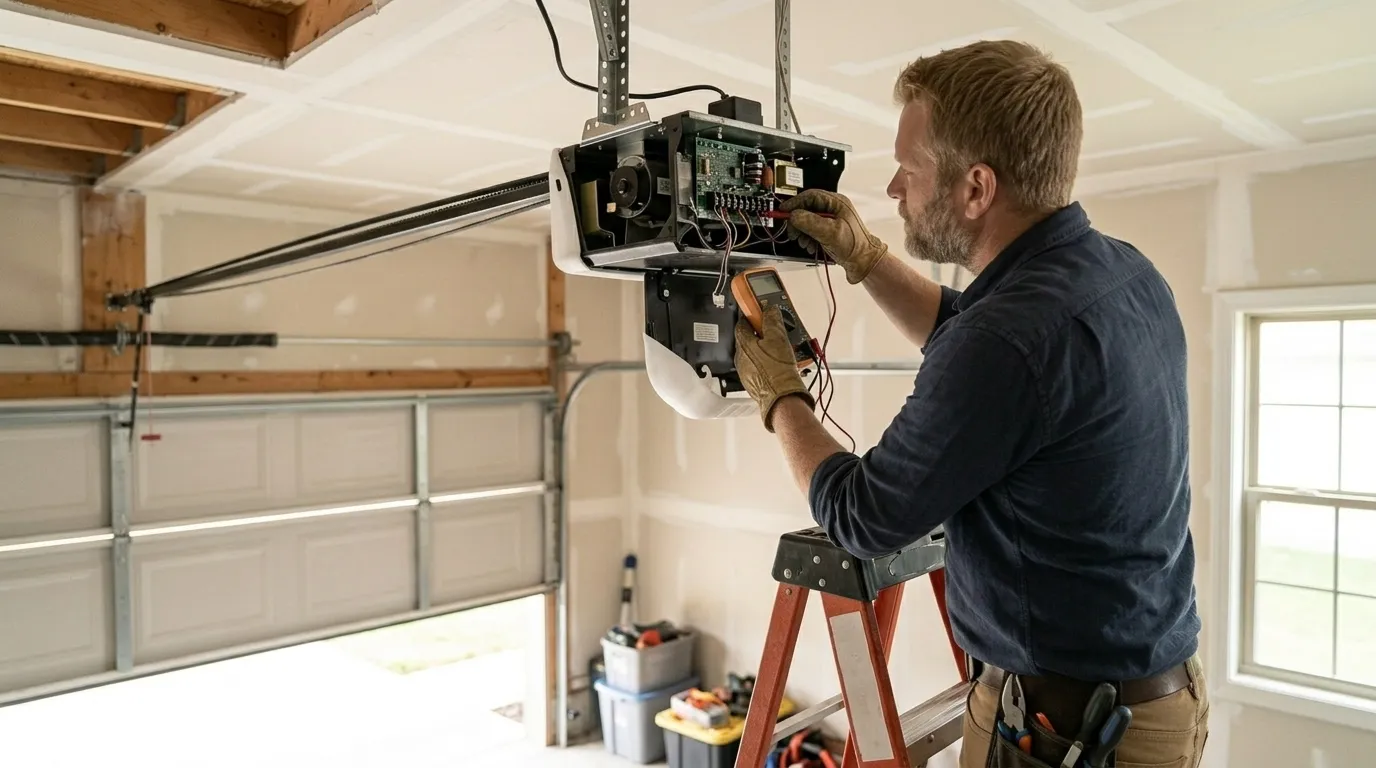
Commerce City's median year built is 2004, which puts most doors and openers here between roughly 15 and 25 years old. That's not old for the door itself, but it's exactly the age window where the moving parts start giving out. The two we see most at this age: nylon rollers that have worn enough to rumble in the track instead of roll through it, and opener circuit boards nearing the end of their practical service life, where the door hesitates, reverses for no reason, or the remote works some days and not others.
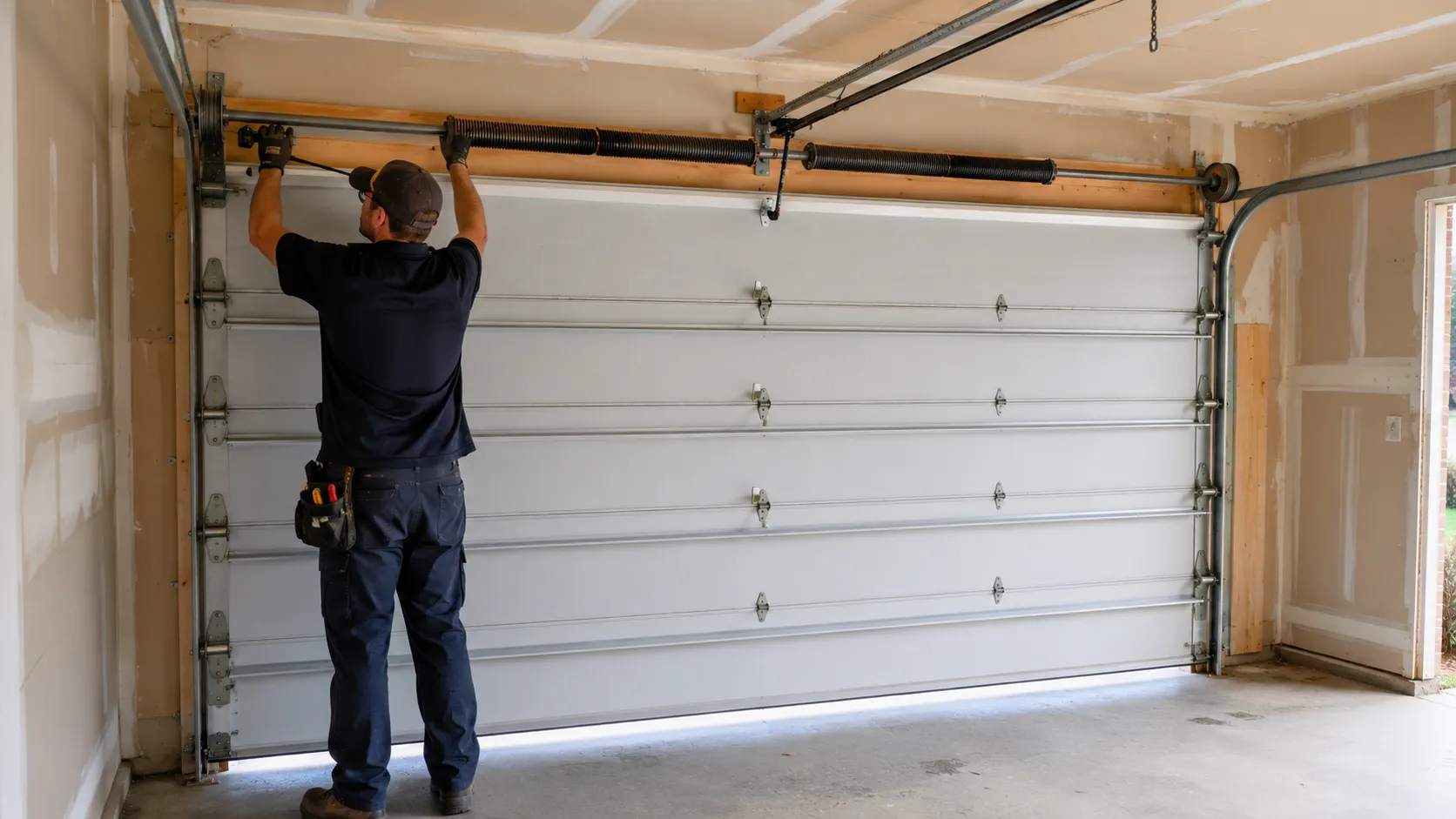
Springs at this age are usually still original and usually still fine if they were sized right at install - torsion springs on a 2004-era door commonly run 10,000-15,000 cycles before fatigue shows, which is later than the rollers or the board. If your door is groaning more than it used to but still moving, that's roller wear, not a spring about to go. If the opener light blinks and the door won't budge, that's the board or the sensor, not the spring.
What Causes It Around Here
The service area sits in a cold, severe winter climate, and that's the mechanism behind most of what fails early on 2004-era doors. Steel expands and contracts through repeated freeze-thaw cycles, and the nylon rollers and plastic sensor housings that were standard equipment in the early 2000s don't handle that cycling as well as the newer composite parts do. Cold also stiffens torsion spring steel slightly, which means a spring that's borderline can go from fine to snapped on a hard cold morning rather than gradually.
We're not going to tell you this area has some unique weather event - it doesn't, as far as the facts we work from show. What it has is a housing stock built around the same 15-20 year window, which means a lot of doors are hitting roller and sensor wear at close to the same time, in a climate that accelerates that wear rather than slows it.
How it works
From “it’s stuck” to “it’s fixed”
01
Tell us what’s wrong
Describe the symptom - won’t open, loud bang, opener runs but the door won’t move.
02
On-site diagnosis
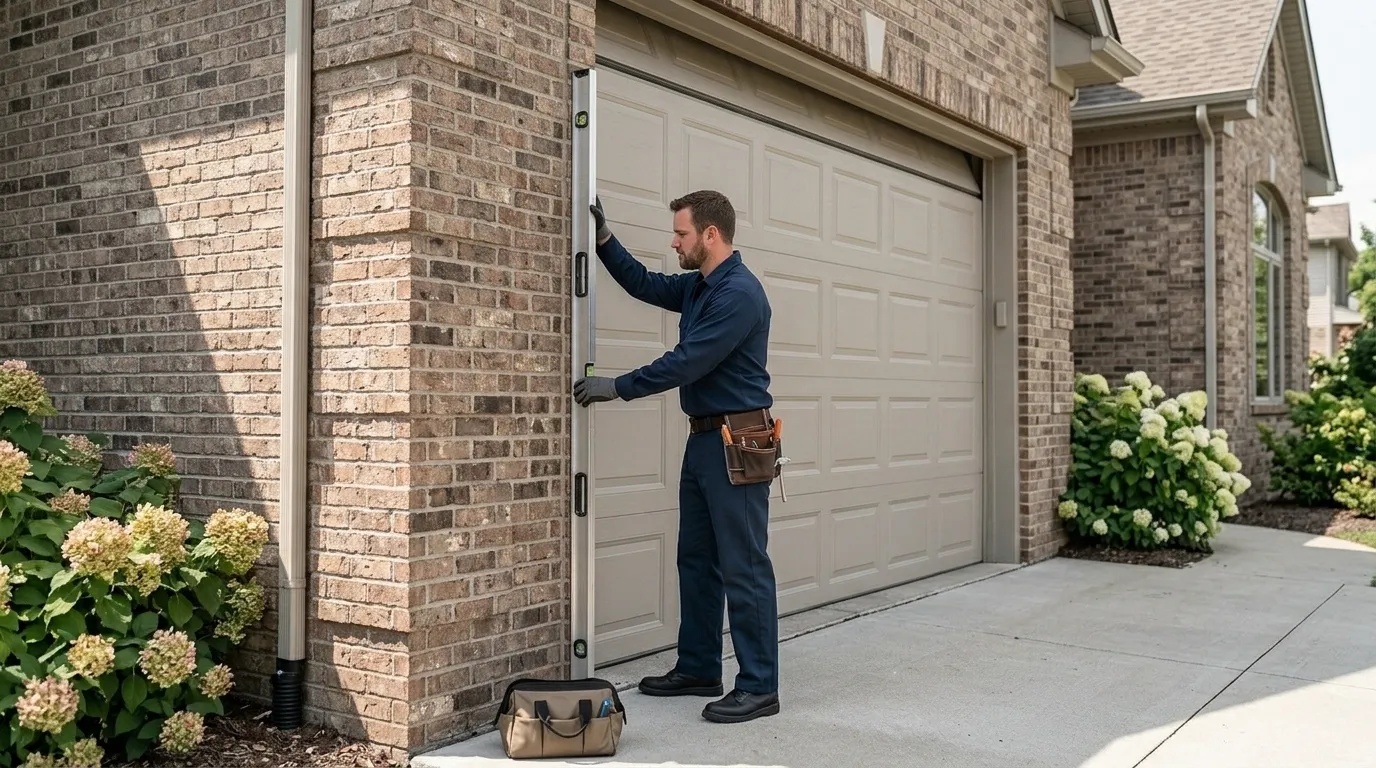
A technician tests the door under power and by hand and finds what actually failed.
03
Clear, up-front plan
You get the fix that’s needed and what drives the cost - before any work starts.
04
Repaired & tested
The repair is done, the door is set true and tested, and the work area left clean.
Serving Arvada, CO - tell us what your door’s doing and we’ll take it from there.
Straight answers about garage door repair in Arvada. Still unsure? Ask us directly.
How often should a garage door in Commerce City get serviced?
With most doors here dating to around 2004, once a year is the right cadence for lubrication, roller and sensor checks, and a spring tension look. Given the cold winters in this area, doing that check before winter rather than after catches stiffened springs and worn rollers before they fail on a cold morning.
Is it worth repairing an opener from this era or replacing it?
At the income levels typical here, a board or sensor repair on an opener from around 2004 usually makes sense if the motor itself is sound - that's a few hundred dollars against a full opener swap. If the motor is also failing, replacing the whole unit is usually the better spend rather than patching parts on an aging unit.
Do you have a shop in Commerce City?
No. We work out of Arvada, about 19 miles away, and drive out for scheduled visits. There's no local branch here, so telling us the exact symptom when you call helps us load the right parts before the drive.
What's the most common repair you see on doors around this age?
Worn nylon rollers and aging opener circuit boards or photo-eye sensors, both tied to doors built in the early-to-mid 2000s hitting 15-25 years old. Springs on doors this age are usually still original and often still within their cycle life if they were sized correctly at install.