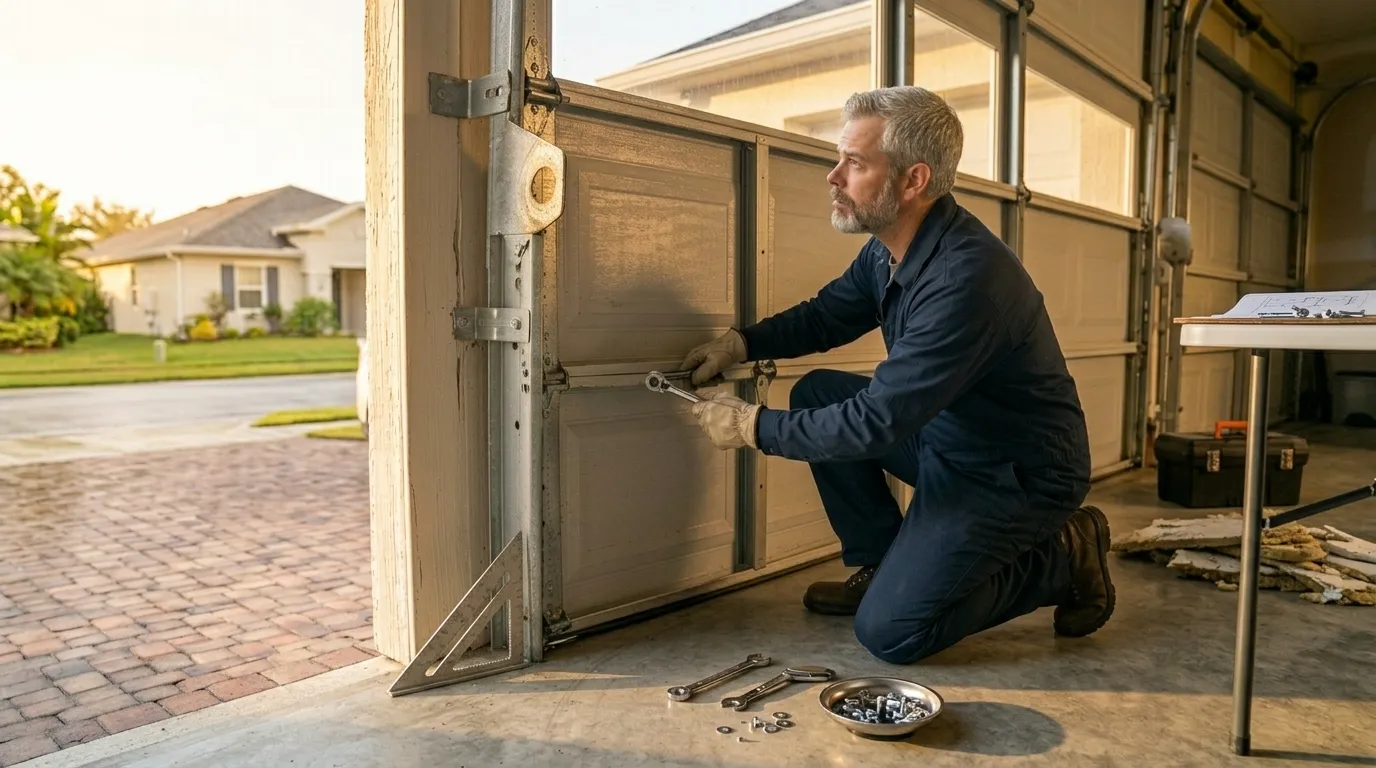
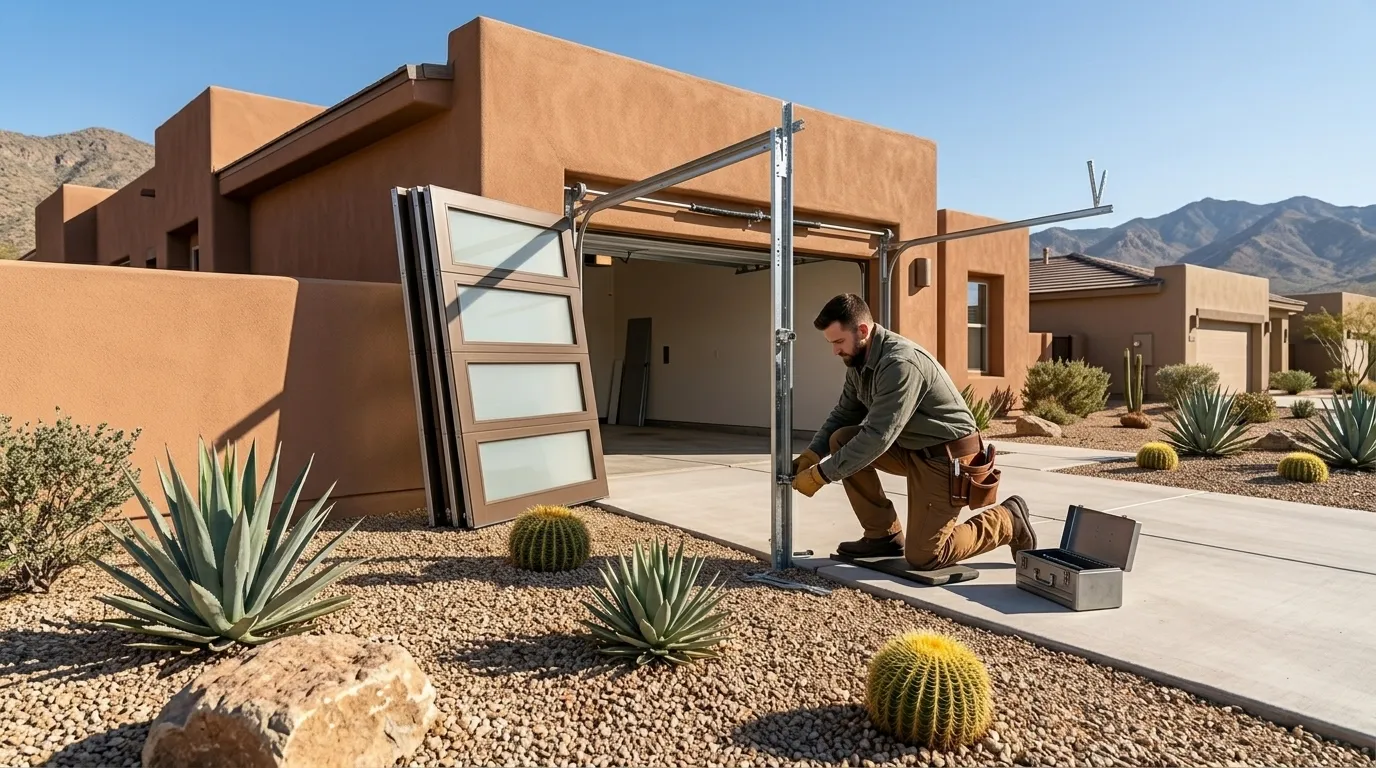
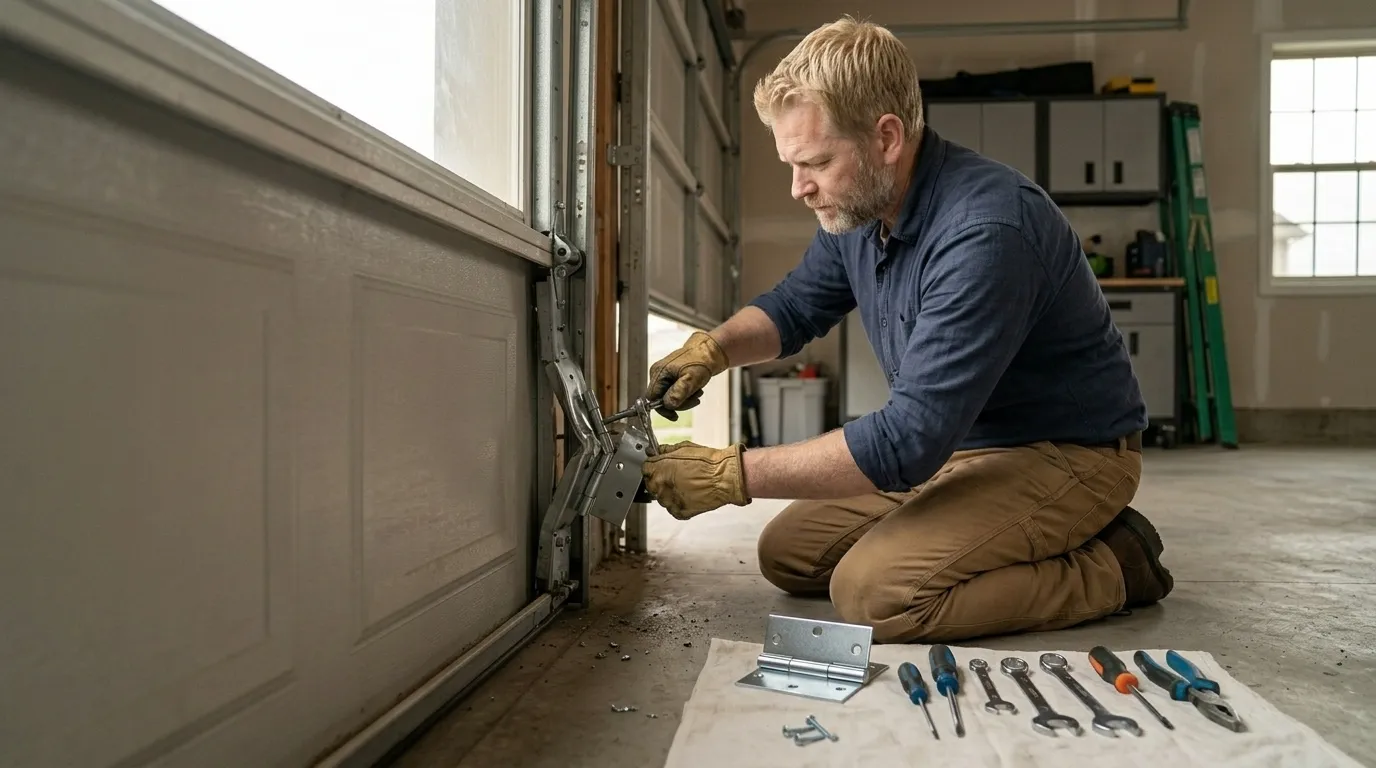
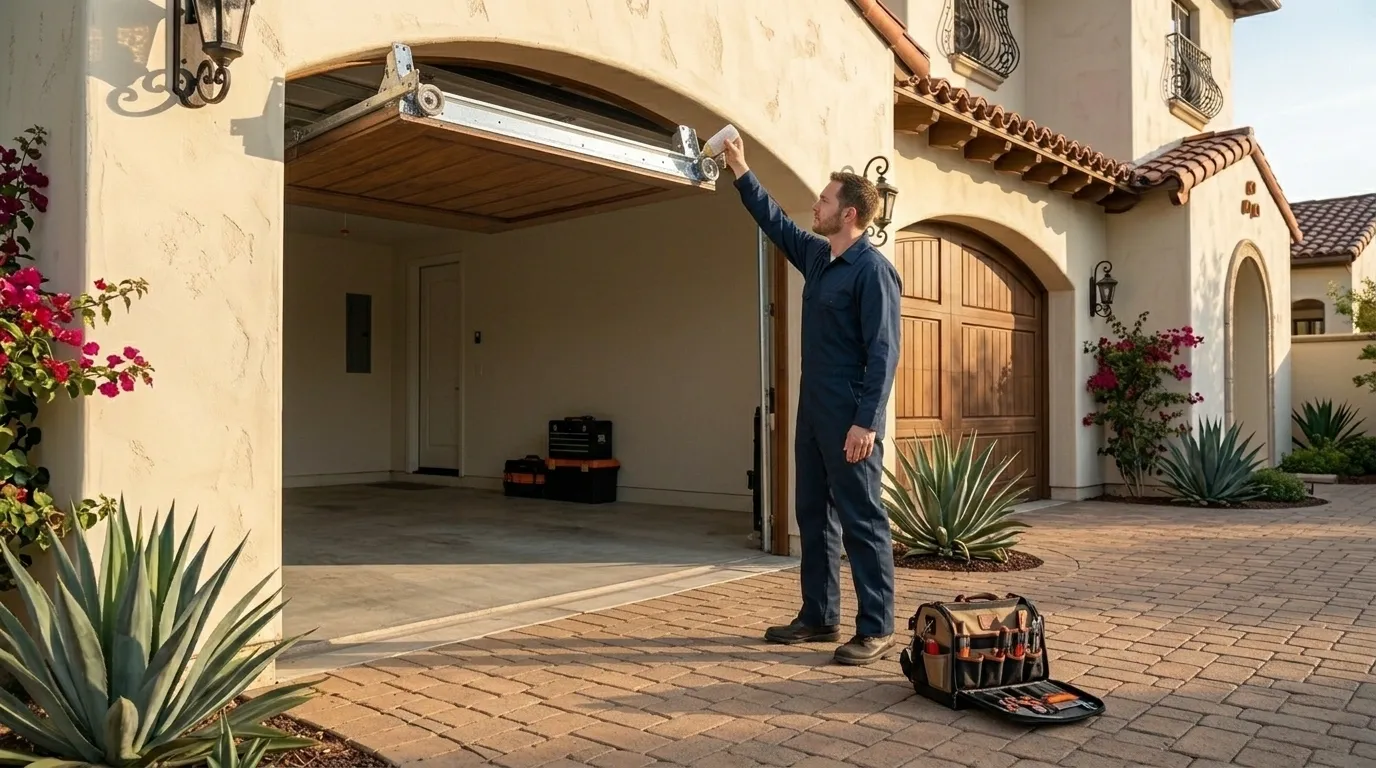
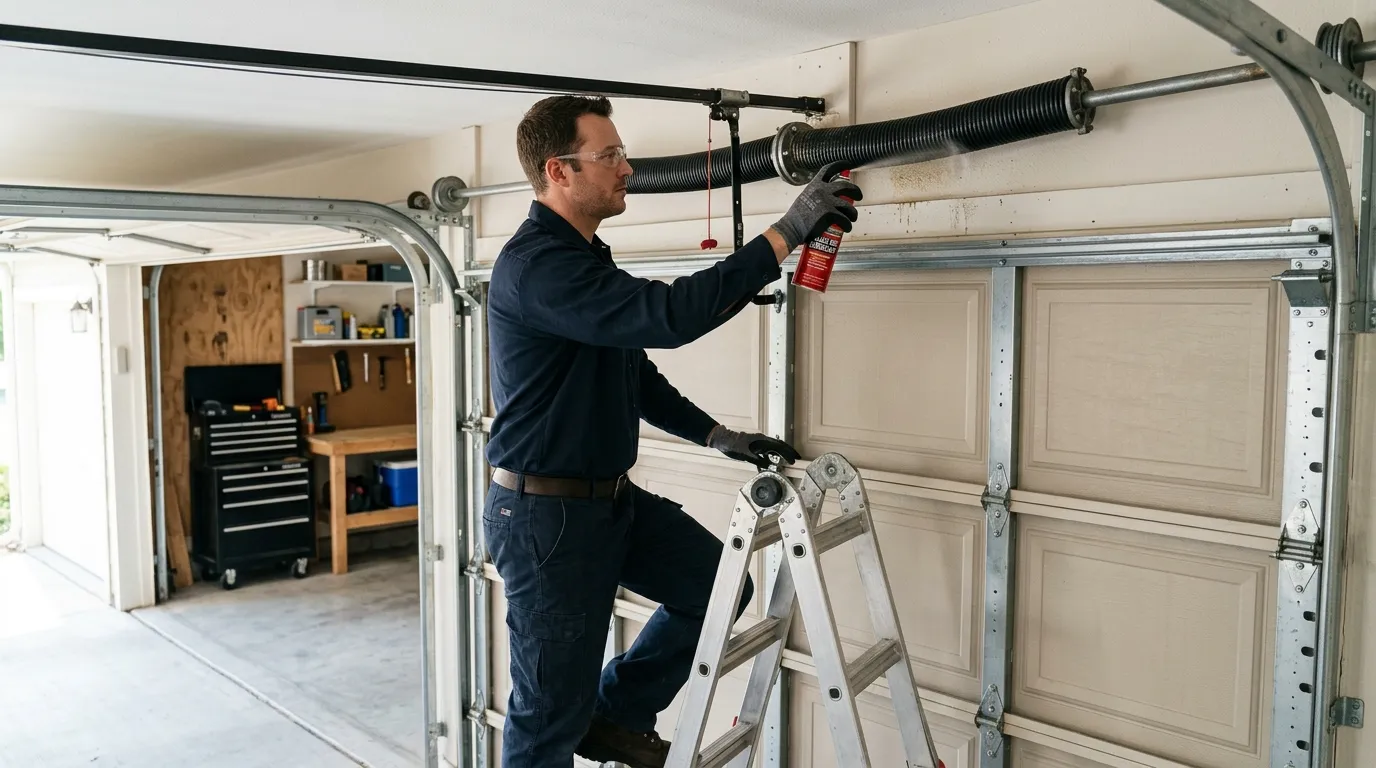
We can't quote you a number here without seeing the door, and we're not going to pretend otherwise. What we can tell you is what drives the cost in this particular neighborhood: houses in Ken Caryl were mostly built around 1987, which puts most garage doors and openers at close to their original hardware. That means when something breaks, it's often not one part - a torsion spring going out at 35+ years old frequently takes a worn cable or a pitted drum with it, because none of that hardware has ever been swapped. A house with a newer door and a 2019 opener is a different job than a house that's never touched its garage hardware since the builder installed it. We travel from Arvada, about 18 miles out, so we ask what's happening on the phone before we load the truck - broken spring, dead opener, door off track - so we bring the right parts on the first trip instead of a second one.
Stocked Parts
For a neighborhood built mostly in the mid-to-late 1980s, we stock torsion springs sized for the double and single door openings that were standard in that era, plus steel rollers and galvanized cable to match. Openers from that build period are long past their expected service life, so we carry modern chain and belt-drive units to replace, not patch, units that old. We don't stock every obscure bracket for every custom install, and if a homeowner has already had aftermarket hardware put in that doesn't match factory spacing, that can mean a short wait on a specific part. We tell you that up front rather than promising a part we don't have on the truck.
The Symptom
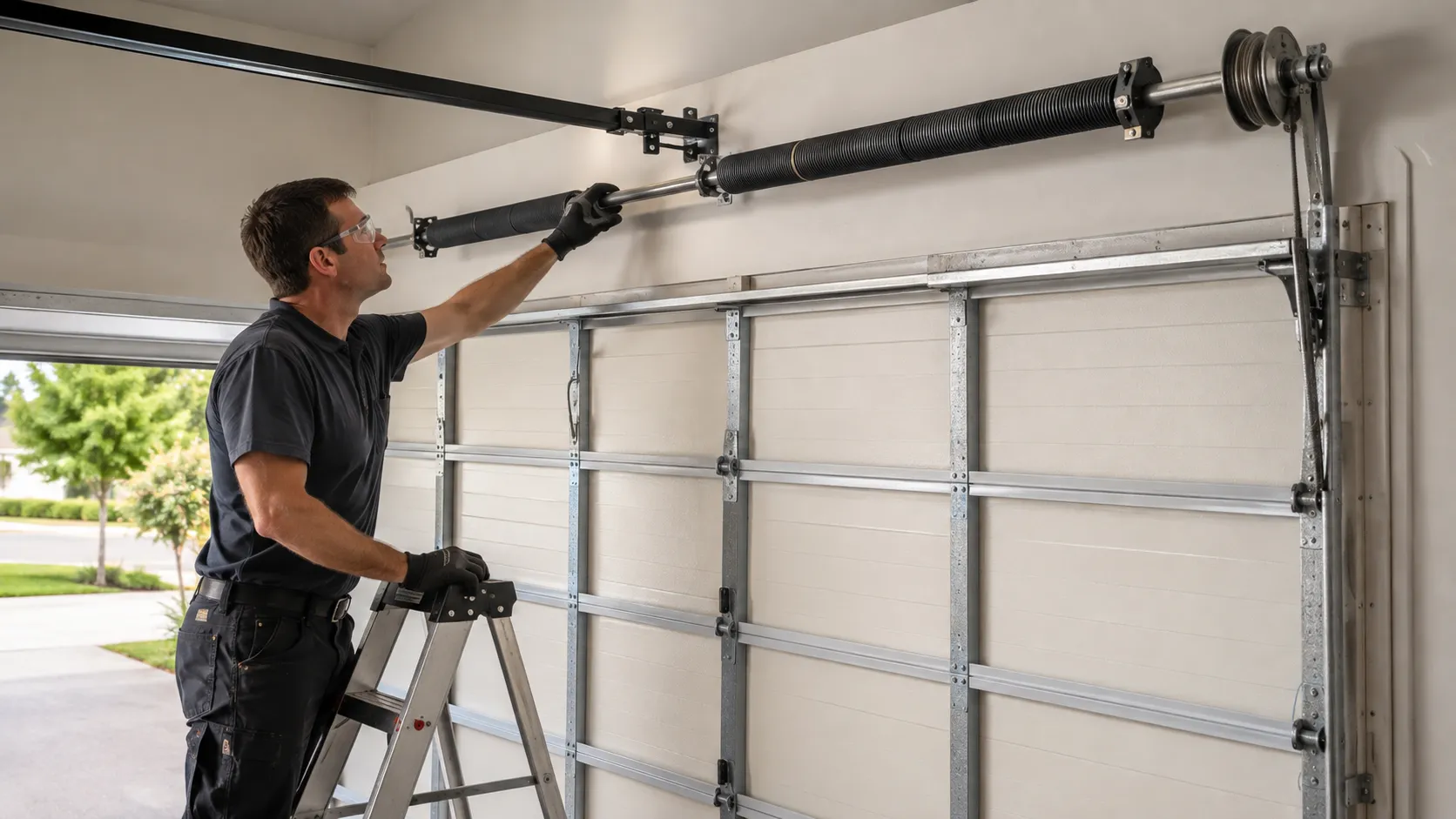
The most common call we get out of this part of the service area is a door that won't move at all, or one that moves a few inches and stops - both point to a broken torsion spring, which is the single most common failure on a door installed around 1987 that's never had the spring replaced. Torsion springs are rated for a cycle count, and a door original to a house built in the late 1980s has had roughly three and a half decades to burn through that rating. The other common call is an opener that hums but doesn't lift - that's usually the gear set inside a decades-old opener finally stripping, not the motor itself.
What the Fix Involves
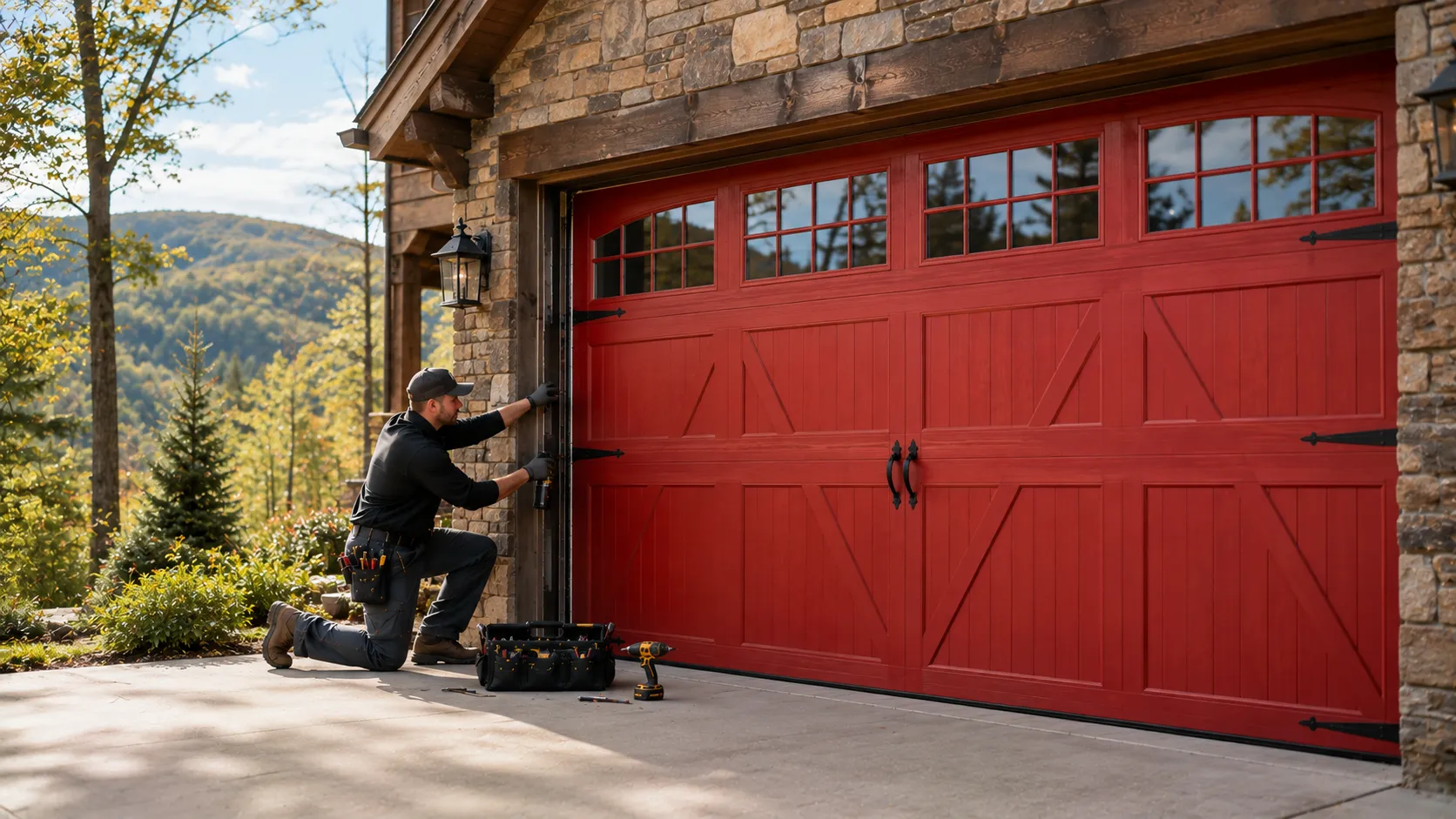
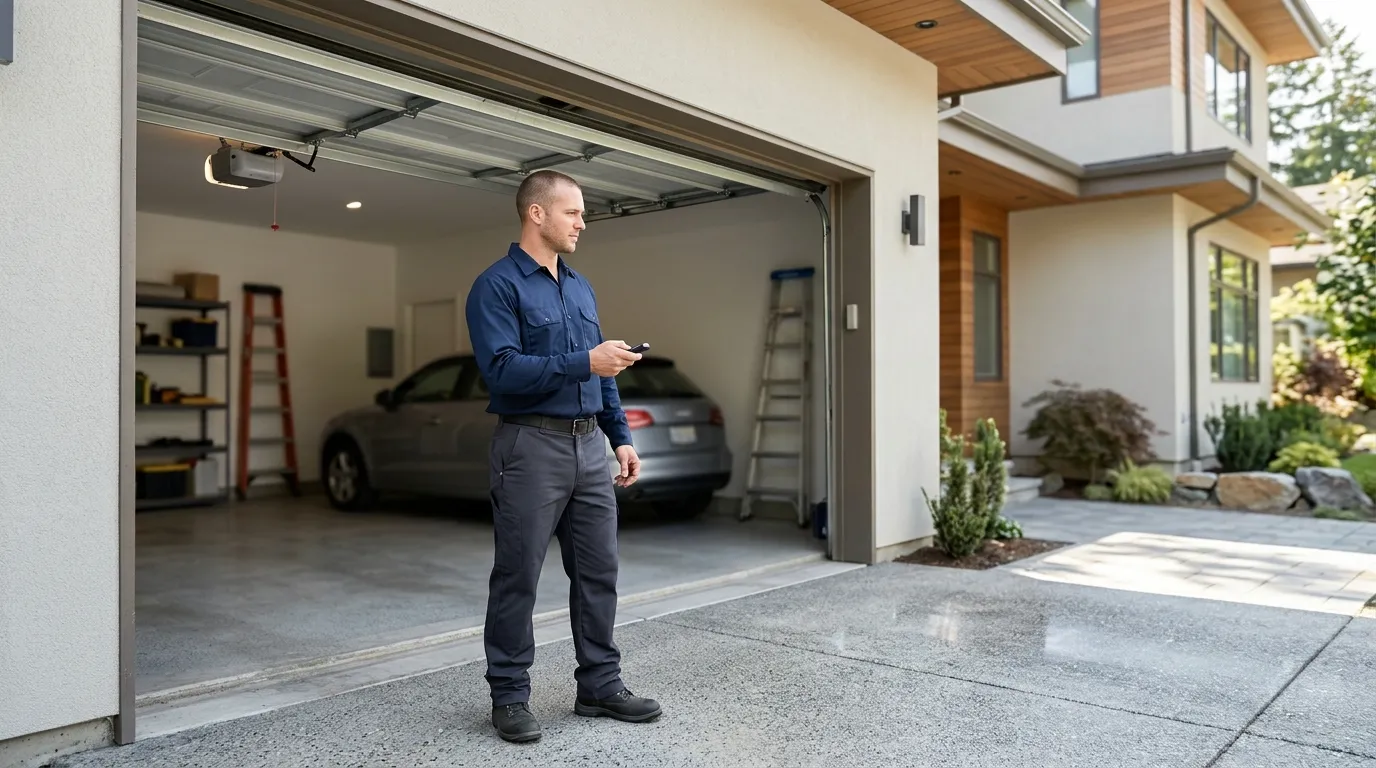
For a broken torsion spring, the job is straightforward once we're on site: release tension on the old spring safely, pull it, size and wind the replacement to match the door weight, and check the cable and drums while everything's open, since those parts are usually the same age as the spring and often show wear from the same 35-plus years of cycles. For a dead opener, we test the logic board and motor before recommending replacement - sometimes it's a $30 sensor, sometimes the unit itself is done, and there's no point replacing a working motor. On a house where the spring, cable, and opener are all original to a 1987 build, we walk you through what's likely to fail next so you're not paying for a service call every six months.
The DIY Question
Don't touch a torsion spring yourself. It's wound under enough tension to break bones, and that's true whether it's ten years old or thirty-five. What a homeowner in Ken Caryl can reasonably check before calling: whether the opener has power, whether the photo-eye sensors are aligned and clean, and whether the door is visibly off its track versus just refusing to lift. If the door won't budge and the opener is straining or humming, stop - that's a spring or cable problem, not something to force. Winter cold makes old lubricant stiffen and springs more brittle, which is part of why this kind of failure clusters in the colder months here.
The Complications
A house with 13,655 households in the surrounding area and a median income over $116,000 tends to have more two-car, double-door setups than smaller single-door garages, and a double door under a broken spring is heavier and more dangerous to handle than a single. The other complication is winter: this area sits in a cold, severe climate band, and low temperatures make steel springs and cables more likely to snap outright rather than just weaken gradually, so failures often show up hard and fast rather than as a slow decline. We don't install openers with battery backup as standard unless asked - if losing garage access during a power outage matters to you, say so when you call, because it's not something we add by default.
How it works
From “it’s stuck” to “it’s fixed”
01
Tell us what’s wrong
Describe the symptom - won’t open, loud bang, opener runs but the door won’t move.
02
On-site diagnosis
A technician tests the door under power and by hand and finds what actually failed.
03
Clear, up-front plan
You get the fix that’s needed and what drives the cost - before any work starts.
04
Repaired & tested
The repair is done, the door is set true and tested, and the work area left clean.
Serving Arvada, CO - tell us what your door’s doing and we’ll take it from there.
Straight answers about garage door repair in Arvada. Still unsure? Ask us directly.
How fast can someone get to Ken Caryl for a broken spring?
We travel from our base in Arvada, about 18 miles away, so we don't promise a fixed same-hour window for Ken Caryl the way we might for jobs closer to base. Call and tell us what's wrong - broken spring, dead opener, door off track - and we'll give you an honest estimate of when we can get there that day.
Why did my spring break with no warning?
Torsion springs wear out on a cycle count, not a calendar, and most doors in this area are original to houses built around 1987 with springs that have never been replaced. Cold weather makes old steel more brittle, so a spring that's been weakening for years often finally lets go on a cold morning rather than gradually.
Is it worth replacing the whole door instead of just fixing it?
Usually not, if the panels and track are in decent shape - a spring or cable repair costs a fraction of a new door. Replacement makes more sense when the door itself is dented, rotted, or the track is bent beyond adjustment. We'll tell you honestly which situation you're in before recommending either.