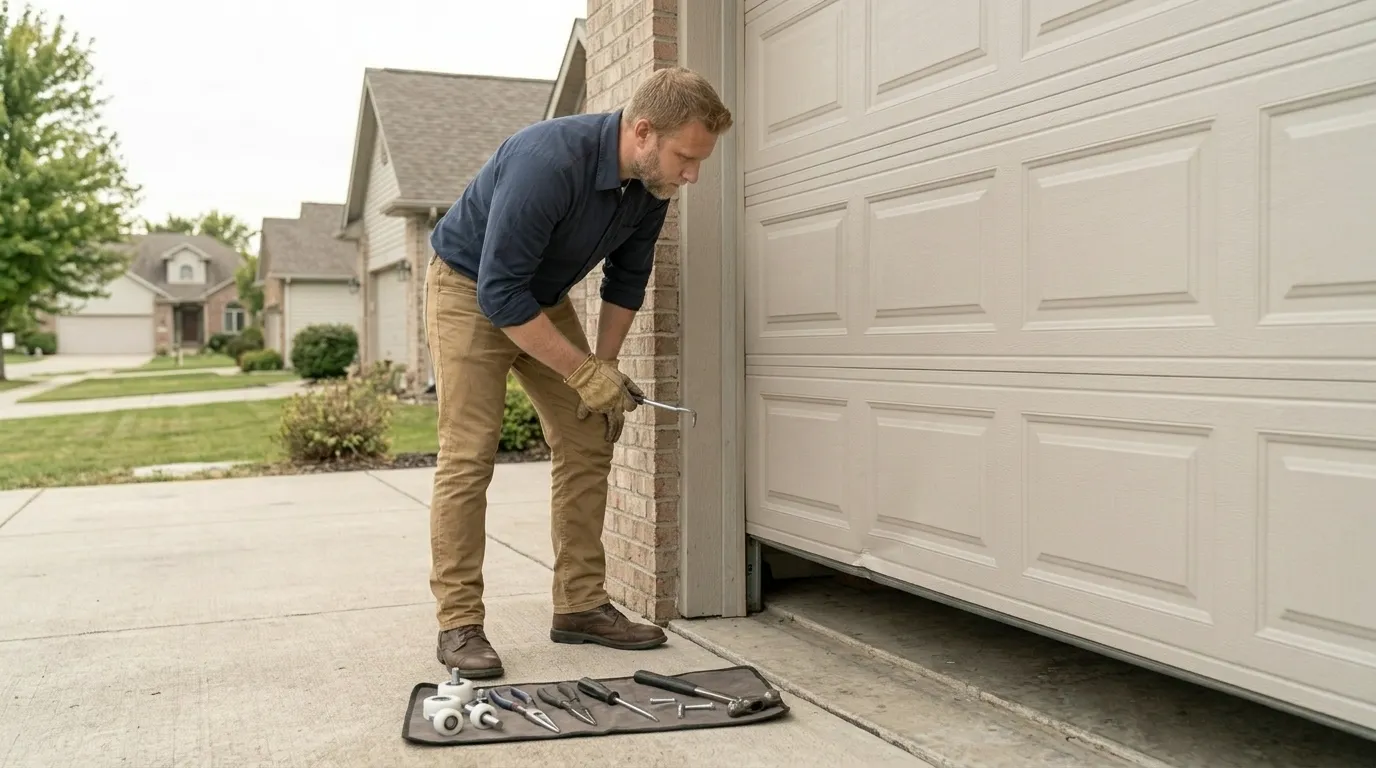
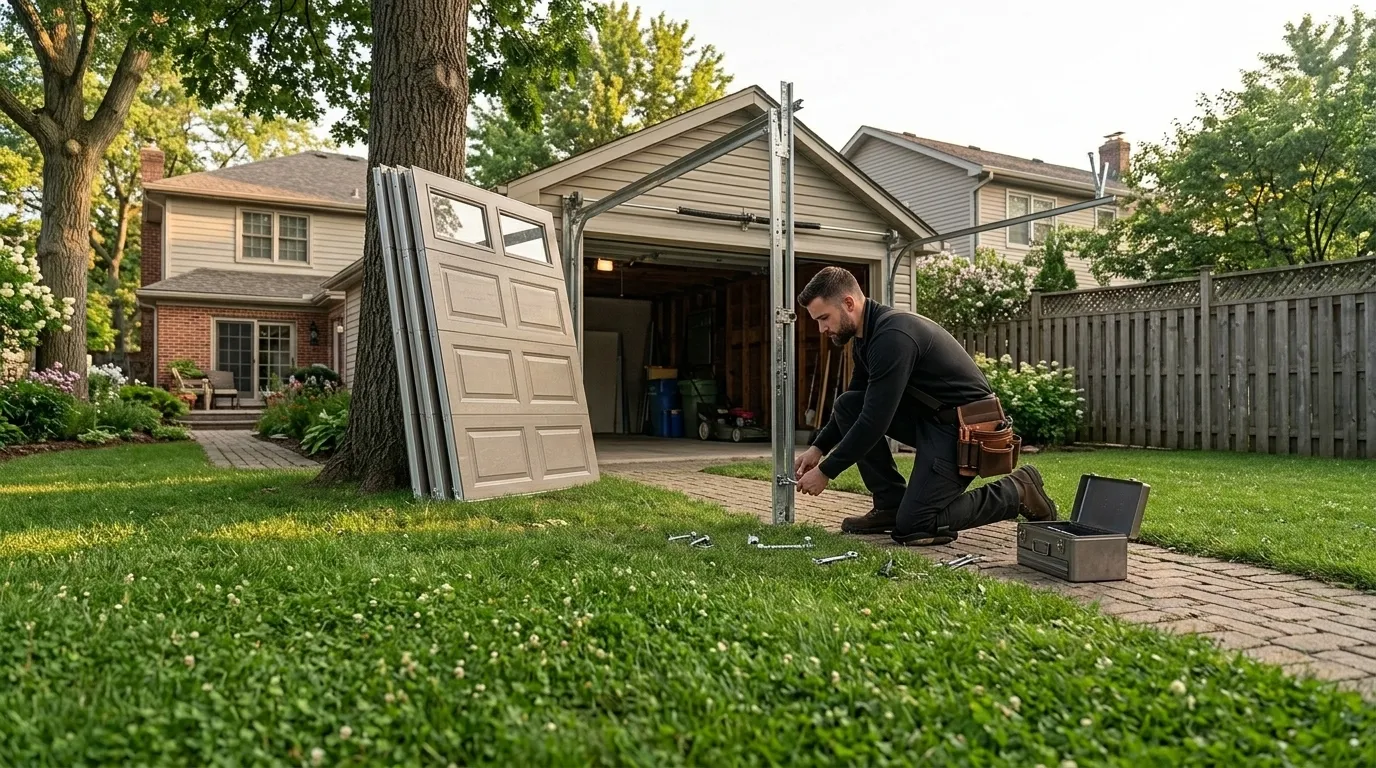
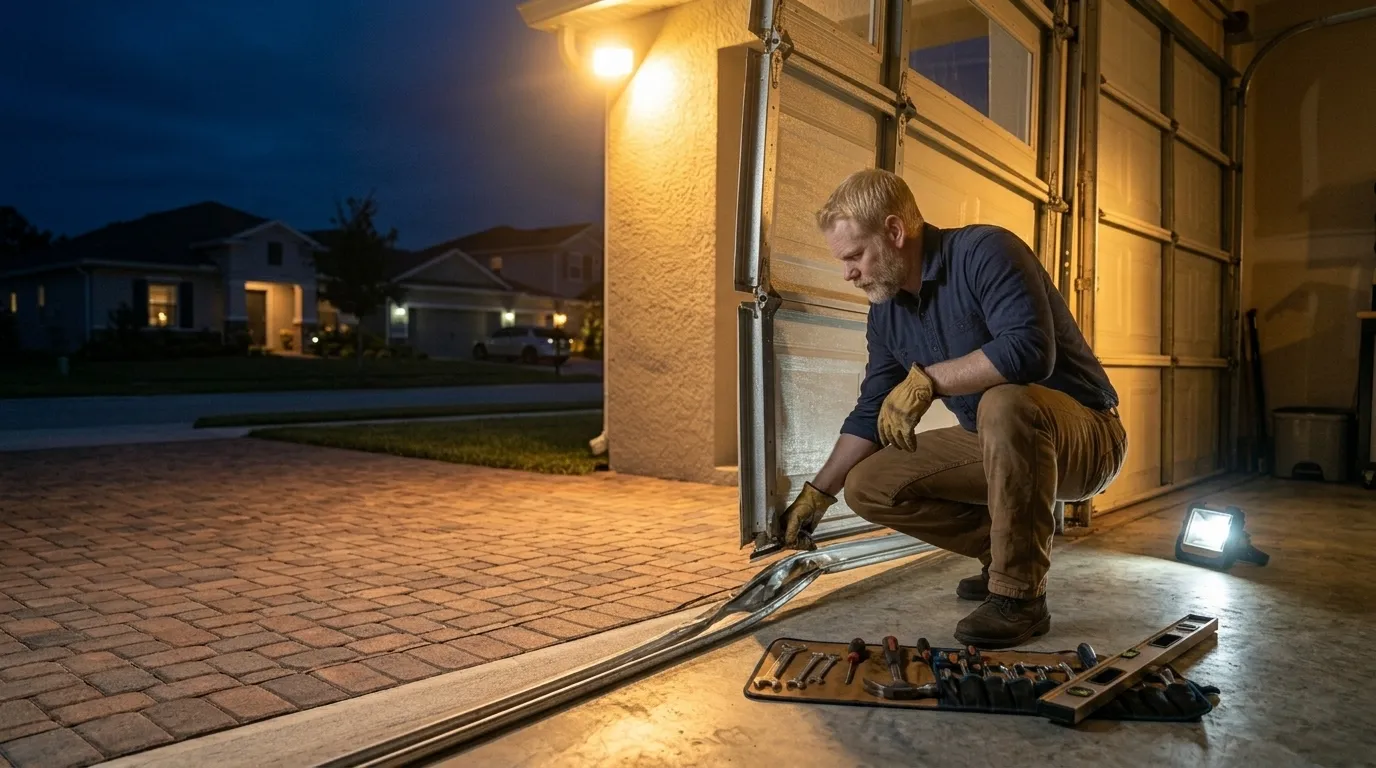
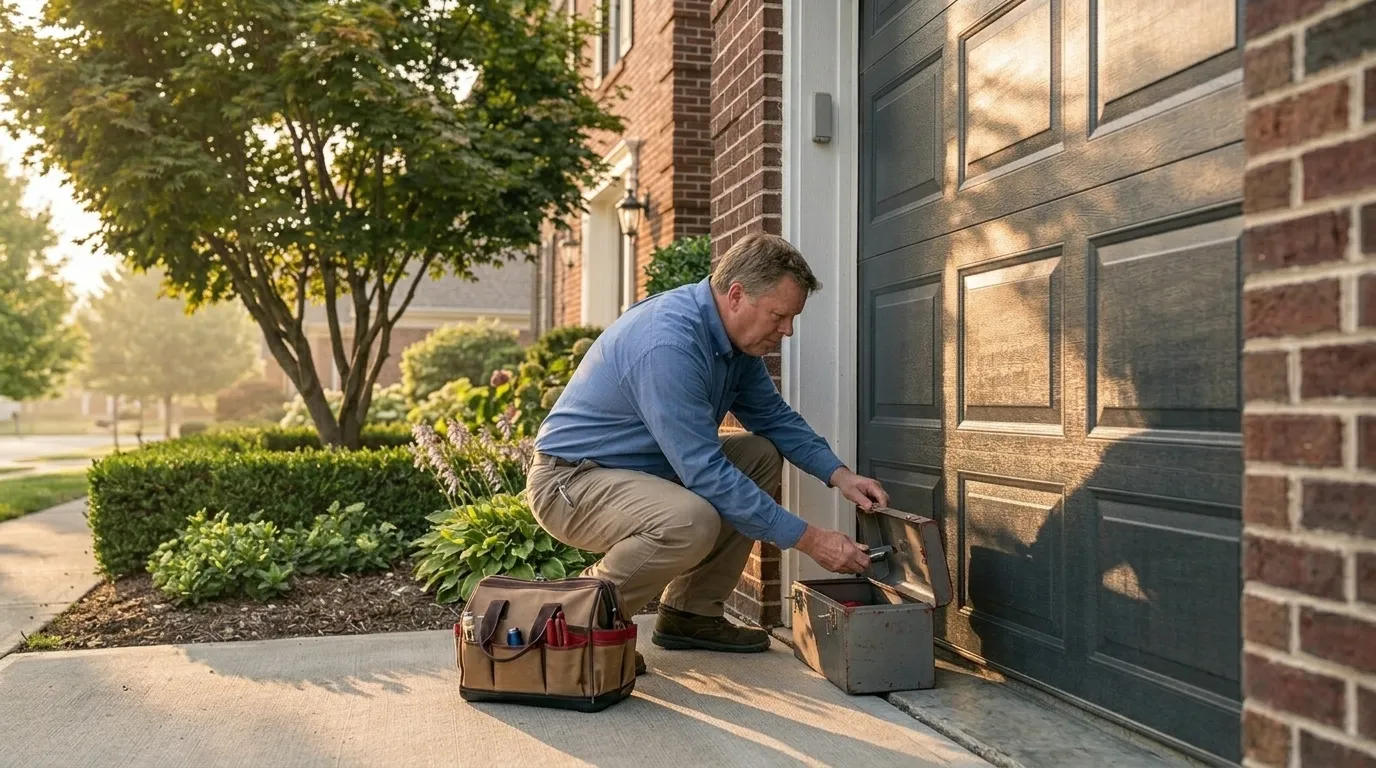
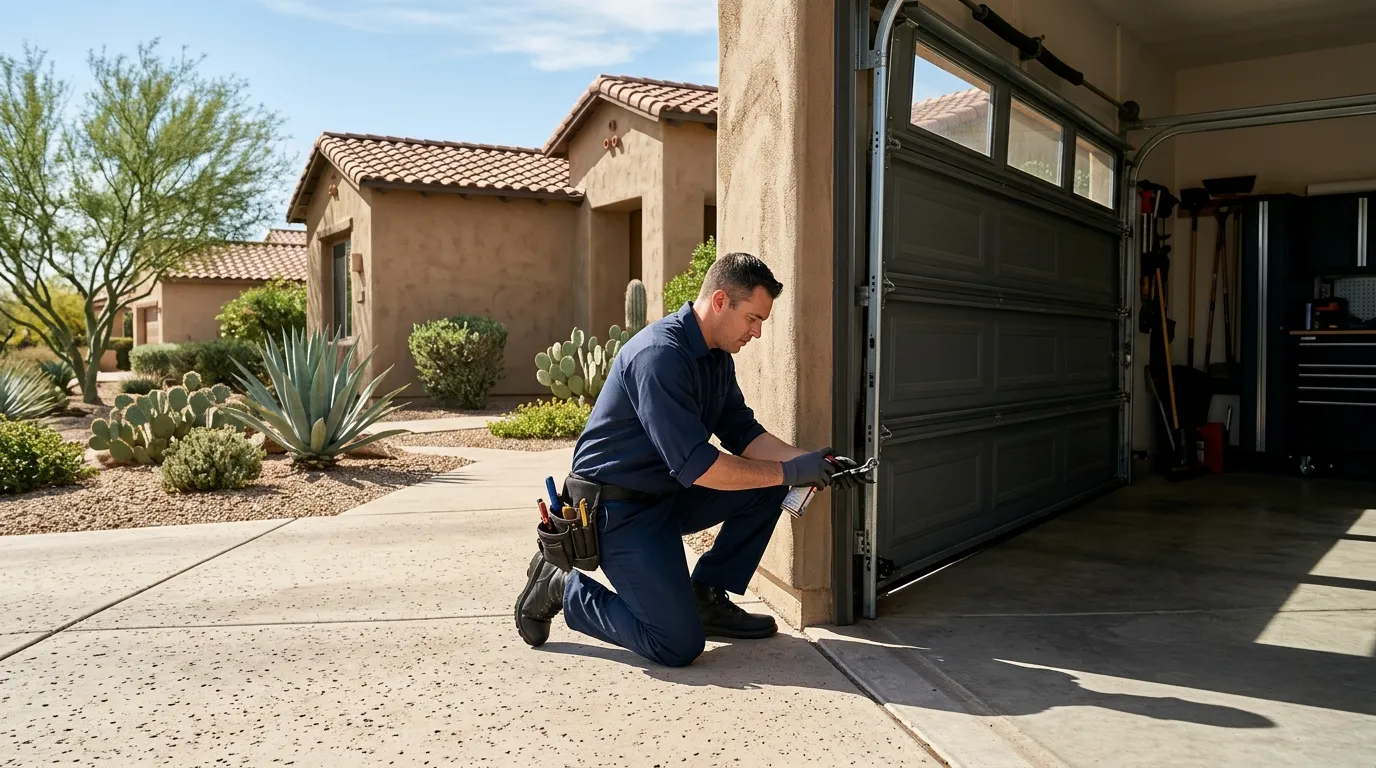
Ken Caryl runs about 13,655 households, smaller than a lot of the named areas we cover out of Arvada. A town that size doesn't generate the call volume of the bigger pockets closer to the shop, so when we do get a Ken Caryl job, it's usually one specific thing gone wrong rather than a string of related issues on a street. That keeps most jobs here to a single repair - a spring, an opener board, a cable - not a whole-door teardown.
What we can price depends on what fails, and we don't quote a number sight unseen. What we can tell you is that Ken Caryl sits at a median household income of $116,838, higher than the $110,968 median across the rest of the service area, and that tends to mean more owners choosing to replace a tired opener rather than nurse a 15-year-old unit through one more repair. We travel 18 miles from Arvada for every call out here - there's no branch or depot on this side, so the trip itself is part of what any job costs, and we're upfront about that on the phone before a truck rolls.
Stocked Parts
The median home in Ken Caryl went up around 1987, a full decade newer than the 1977 median across the rest of the area we work. That decade matters for hardware. Doors from this era are almost always torsion-spring setups rather than the older extension-spring jobs you still find on the pre-1977 stock closer to Arvada, and the openers installed with them are chain or belt-drive units built for a garage door that's heavier than what went up in the 60s and 70s.
We carry standard torsion springs, cables, and rollers sized for that late-80s construction on the truck. Cold-band winters here - this whole area sits in a severe cold climate zone - mean springs lose temper and lubricant thickens, so we stock winter-rated grease and springs rated for the swing rather than parts meant for a milder market.
The honest limit: if a Ken Caryl door has a custom panel size or a specialty insulated model that isn't standard for the era, we may need to order that part rather than carry it, and that adds a day or two to the job.
The Symptom
The most common call from a house built in the late 1980s is a torsion spring that's simply worn out. A spring rated for a certain number of cycles doesn't care how well the door was maintained - it fatigues on a schedule, and homes from that build year are now old enough that the original spring, or even a first replacement, is past its working life. You'll usually hear it before you see it: a loud bang from the garage, then a door that won't open, or one side that lifts unevenly because one spring let go and the other didn't.
Cold makes it worse. In a severe cold climate, a spring near the end of its life is more likely to snap on a hard winter morning than in mild weather, because the steel is stiffer and the door itself is heavier to lift without help. Openers from this era are also reaching the point where the circuit board or the drive gear is the failure, not the spring - a grinding motor that doesn't turn the door is a different repair than a bang-and-stop spring failure, and it's worth knowing which one you're describing when you call.
What the Fix Involves
A torsion spring replacement means winding down the old spring under controlled tension, pulling it off the shaft, and setting a matched replacement sized to the door's weight and height - guessing on spring size is how doors end up unbalanced or how someone gets hurt. We check both springs even if only one broke, since the other is carrying the same age and the same cycle count.
On a late-1980s door, we also check the cable drums and the end bearing plates, since 30-plus years of use wears those parts even when the spring itself was replaced once already. If the call is an opener rather than a spring, the fix is usually swapping the logic board or the motor unit rather than the whole rail and track, unless the opener is old enough that parts for that specific model aren't made anymore - at that point replacement is the honest answer, not another repair.
Every spring and cable job gets a safety cable run through the spring, whether or not the original installation had one.
The DIY Question
A torsion spring is wound under enough tension to break bones if it lets go wrong, and that doesn't change because a homeowner is capable with other tools. We don't recommend doing this one yourself, full stop - not because it's complicated to explain, but because the margin for error involves a piece of steel under load a few inches from your hands.
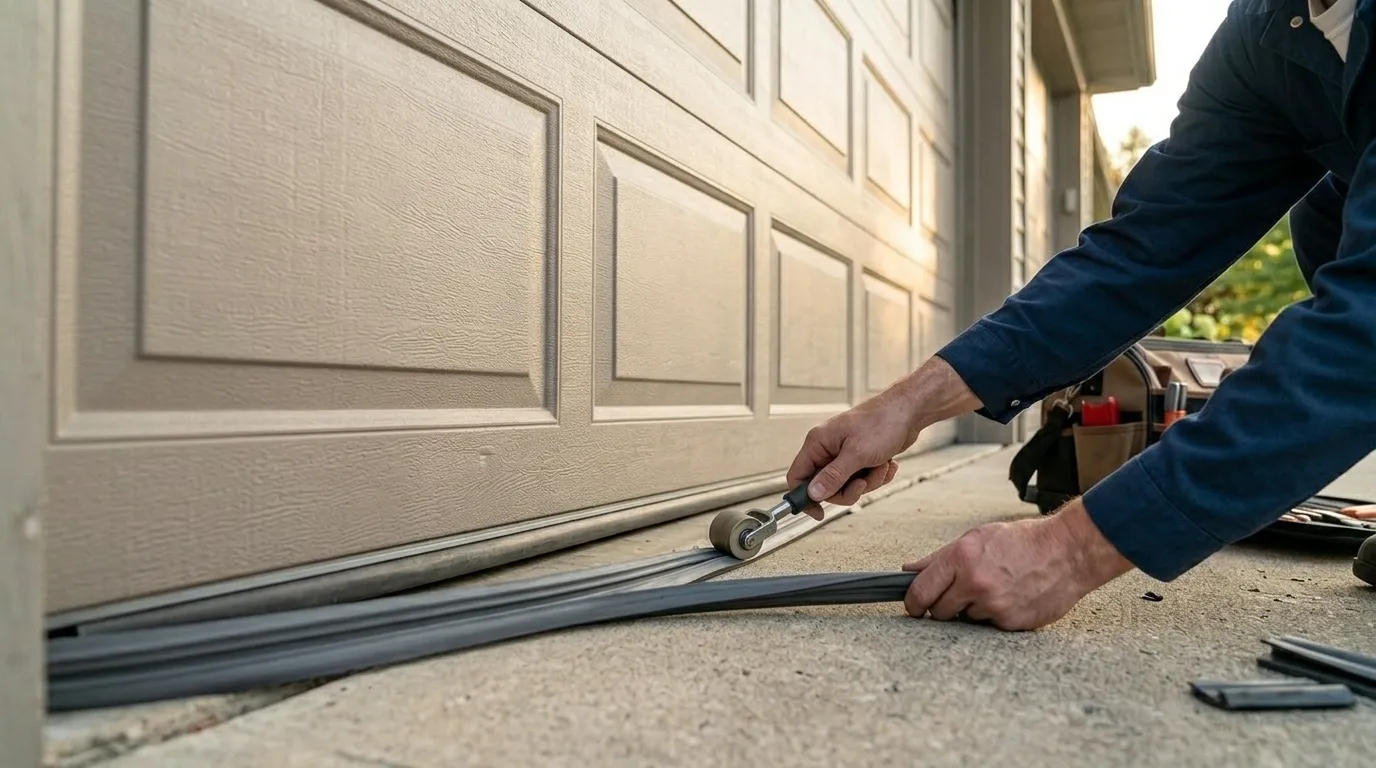
Things you can reasonably handle yourself: replacing worn weatherstripping, tightening loose hinge bolts, lubricating rollers and hinges, or resetting an opener's remote codes. Those don't involve stored tension and a mistake there costs you an afternoon, not a trip to urgent care.
If your opener is failing and you're comfortable with basic electrical work, swapping a logic board on some models is within reach for a confident DIYer - but we'd still check the door's balance and spring condition first, since an opener straining against a bad spring will burn out again even with a new board installed.
The Complications
Because we're coming from Arvada, an 18-mile trip each way, Ken Caryl calls don't get a same-day guarantee the way a job five minutes from the shop might. We schedule around the drive, and we're upfront about that when you call rather than promising a window we can't hit.
Double-wide doors, common on the larger lots built in this era, take a heavier spring pair and sometimes a stronger opener than the standard single-door setup, which changes both the parts and the time on site. Insulated steel doors from the late 80s also trap moisture differently than the older wood or thin-steel doors closer to Arvada, and a door that's been sitting with a failed spring for a while sometimes shows rust on the track bolts we didn't expect until we're on the ladder.
One more limit worth saying plainly: if a door's track is bent badly enough, or the section panels are cracked from age, a spring repair won't fix the underlying problem. At that point we'll tell you replacement is the better use of your money rather than patch a door that's going to keep failing.
How it works
From “it’s stuck” to “it’s fixed”
01
Tell us what’s wrong
Describe the symptom - won’t open, loud bang, opener runs but the door won’t move.
02
On-site diagnosis
A technician tests the door under power and by hand and finds what actually failed.
03
Clear, up-front plan
You get the fix that’s needed and what drives the cost - before any work starts.
04
Repaired & tested
The repair is done, the door is set true and tested, and the work area left clean.
Serving Arvada, CO - tell us what your door’s doing and we’ll take it from there.
Straight answers about garage door repair in Arvada. Still unsure? Ask us directly.
Why does Ken Caryl need different parts than other parts of the Arvada service area?
Ken Caryl's median home was built around 1987, about a decade newer than the 1977 median across the rest of the area. Newer builds mostly use torsion springs and heavier openers, while older stock closer to Arvada often still has extension-spring setups. We stock both, but which one your house needs depends on when it went up.
Do you have a branch in Ken Caryl?
No. We work out of Arvada and drive the 18 miles out for every Ken Caryl call. There's no local depot on this side of town, so travel time is part of scheduling a job here, and we say so upfront rather than promising a response time we can't back up.
How do I know if it's the spring or the opener?
A loud bang followed by a door that won't budge, or one side lifting higher than the other, usually points to a broken torsion spring. A door that hums or grinds but doesn't move, with the spring looking intact, usually points to the opener's motor or drive gear instead.
Is a broken spring ever a DIY fix?
No. A torsion spring is wound under tension strong enough to cause serious injury if it releases wrong. We don't recommend replacing one yourself regardless of how comfortable you are with tools - it's one of the few garage door jobs where the risk isn't proportional to the skill involved.