Commercial Garage Door Repair for Wheat Ridge's Older Bay Doors
Commercial garage door repair for Wheat Ridge's 1964-era steel bay doors, serviced from Arvada 5 miles away. Cold-rated springs, low-headroom fixes, and stocked parts.
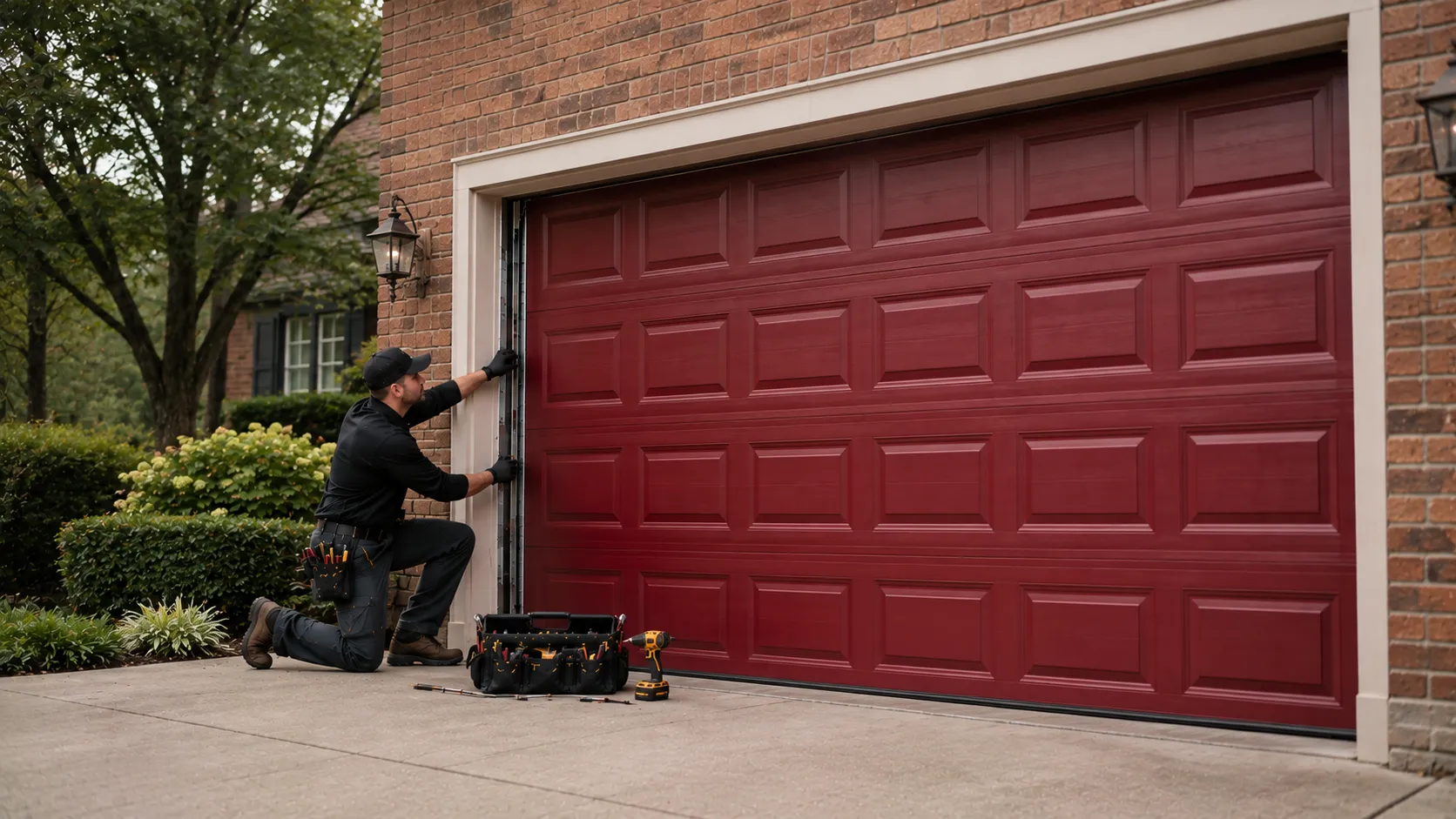
Most commercial buildings on this side of town went up around the same stretch as the houses near them, with a median build year of 1964. That means a lot of the bay doors on shops, small warehouses, and light-industrial units here are the original steel sectional type, sized for openings that pre-date today's standard clearances. You'll find low headroom above the track, sometimes under 12 inches, which rules out a lot of newer opener and spring hardware without modification. The tracks themselves are often the narrower gauge that was common before wider commercial rollers became standard. None of this is a Wheat Ridge-specific defect - it's just what a door from that era physically is. The complication is that replacement parts for that generation of hardware aren't sitting on a shelf at every supply house, and a tech who doesn't recognize the door on sight will waste a service call measuring what should already be known. We come from Arvada, five miles out, and we bring the parts that fit '60s-era commercial track before we knock on the door, not after.
Stocked Parts
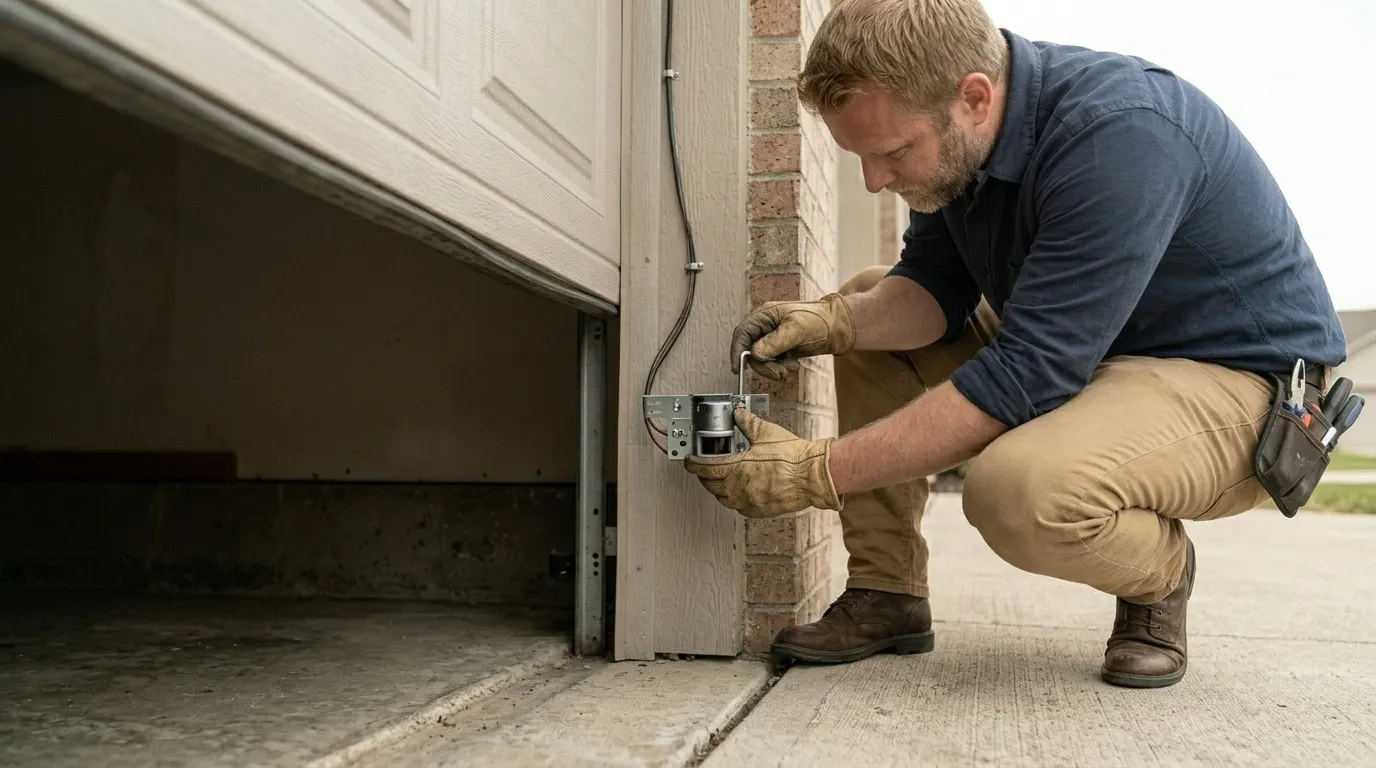
We carry torsion springs sized for the heavier wood-core and early steel doors common to 1960s commercial builds, along with the wider-diameter shafts some of those openers still use. Low-headroom brackets and jackshaft components ride on the truck too, since a fair number of these bays don't have room for a standard extension spring setup. What we don't stock is anything proprietary to a specific manufacturer's discontinued commercial opener line - if your unit needs a part like that, we'll tell you straight and give you the lead time instead of guessing. For a service area with 99,082 owner-occupied houses and a lot of small commercial strips built in the same window, the parts that move fastest are the ones sized for that era, and that's what we keep on hand rather than ordering after we've already opened the panel.
The DIY Question
A commercial torsion spring on a door built for a 1964-era bay is under more tension than most homeowners have handled, and the shaft diameter on these older units doesn't always match the winding bars sold at a hardware store today. This isn't a judgment on anyone's ability with tools - it's that the wrong bar slipping on a wound spring has put people in the hospital. Cable replacement and roller swaps on a light-duty residential door are one thing; a commercial door moving several hundred pounds of steel is another. If the fix is a sensor eye that's knocked out of alignment or a remote that needs a battery, that's a five-minute job you don't need us for. Springs, cables, torsion shafts, and anything with the door off its track belongs to someone who's done it on this specific hardware before.
The Symptom
The complaint we hear most from this stretch is a door that groans or shudders partway up, then either stalls or finishes the lift with a delay, like the opener is fighting the spring instead of working with it. On a 1964-built bay, that's almost always spring fatigue that's finally caught up with the door's actual weight, not an opener problem at all, even though the opener strains and takes the blame. A second version of the same symptom is a door that closes unevenly, one side dropping faster than the other, which points to a cable or roller on that older narrow-gauge track finally giving out. Either way, the fix starts at the spring and track, not at the motor head.
What Causes It Around Here
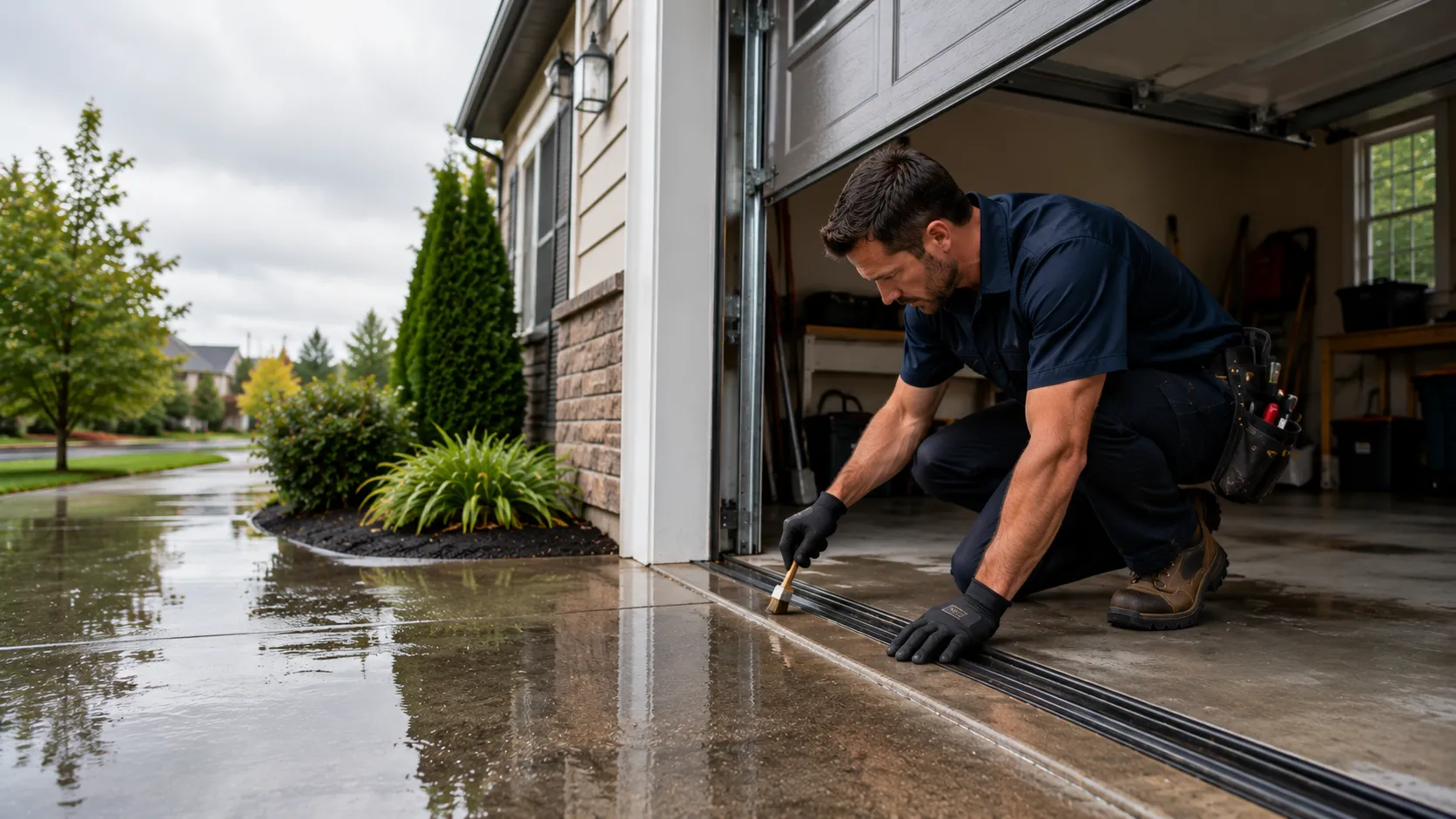
This region sits in a cold, severe winter climate band, and steel expands and contracts across that swing every year. On a door built in 1964, decades of that cycle have worked the same joints and the same spring coils past where a newer, better-lubricated commercial unit would still be holding. Lubricant that was fine in October turns stiff by January, and a spring already carrying fatigue from age has less margin against that added drag. Wheat Ridge's median household income runs lower than the service area's overall $110,968, which we mention only because it shapes a real decision: on an older door like this, replacing a worn spring set is usually the cheaper call long before a full door replacement makes sense, and we'll say so plainly rather than push the bigger job.
How it works
From “it’s stuck” to “it’s fixed”
01
Tell us what’s wrong
Describe the symptom - won’t open, loud bang, opener runs but the door won’t move.
02
On-site diagnosis
A technician tests the door under power and by hand and finds what actually failed.
03
Clear, up-front plan
You get the fix that’s needed and what drives the cost - before any work starts.
04
Repaired & tested
The repair is done, the door is set true and tested, and the work area left clean.
Serving Arvada, CO - tell us what your door’s doing and we’ll take it from there.
Straight answers about garage door repair in Arvada. Still unsure? Ask us directly.
Do you have a location in Wheat Ridge?
No. We're based in Arvada, about 5 miles away, and we drive out to Wheat Ridge for commercial calls. We don't claim a branch or depot here, just the parts and the experience with the door types common to this area.
Why does my commercial door groan on the way up?
On a door built around the 1964 era common to this area, that groan is usually spring fatigue catching up with the door's weight, not the opener failing. The opener strains to compensate, which is what you hear and feel, but the fix is at the spring and track.
Is it worth repairing an older commercial door or replacing it outright?
Depends on what's worn. A spring and cable set on an otherwise sound steel door is almost always the cheaper, faster fix. If the track is bent or the panels are rusted through from age, replacement starts making more sense - we'll tell you which situation you're in before we quote anything.