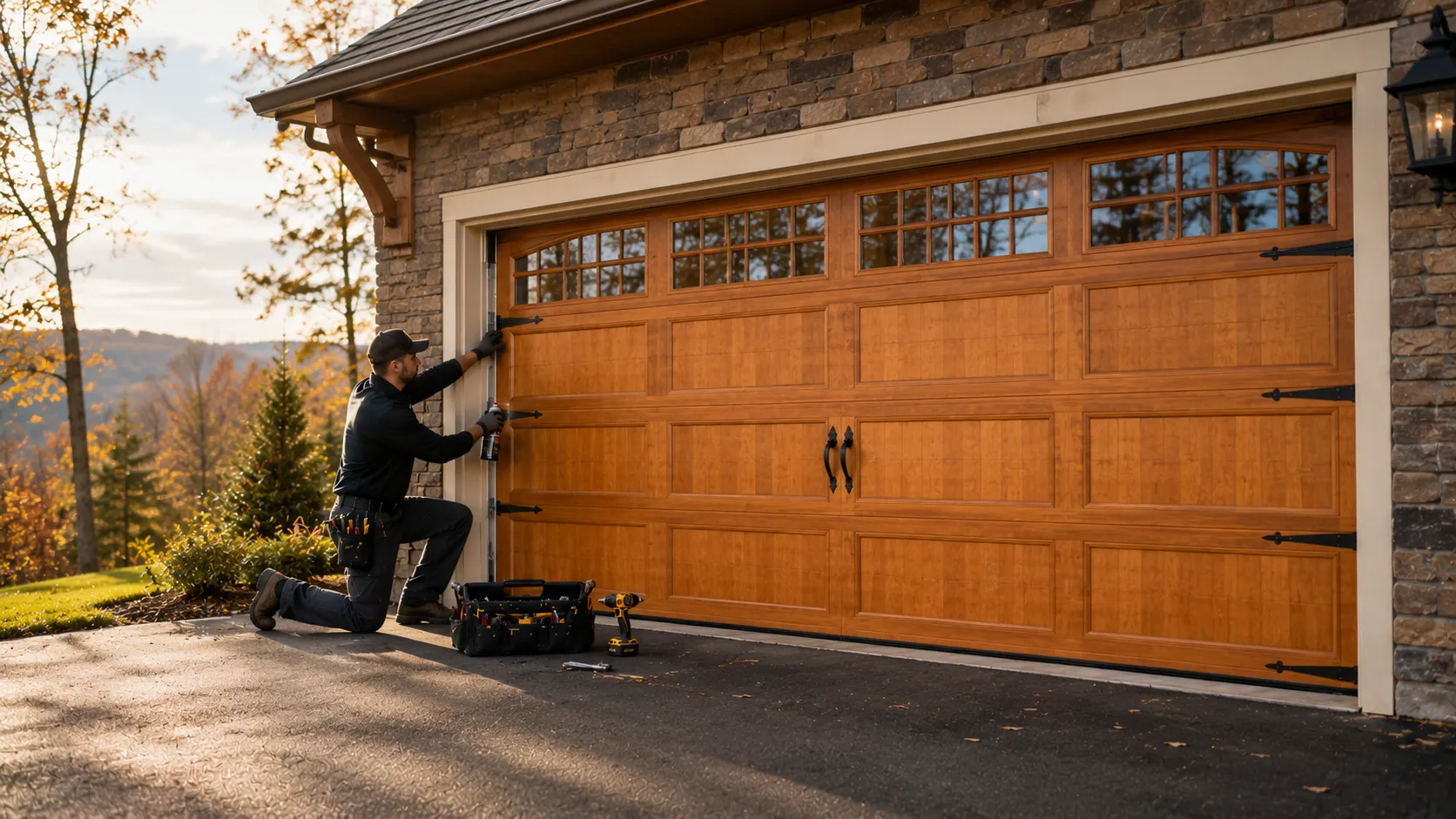
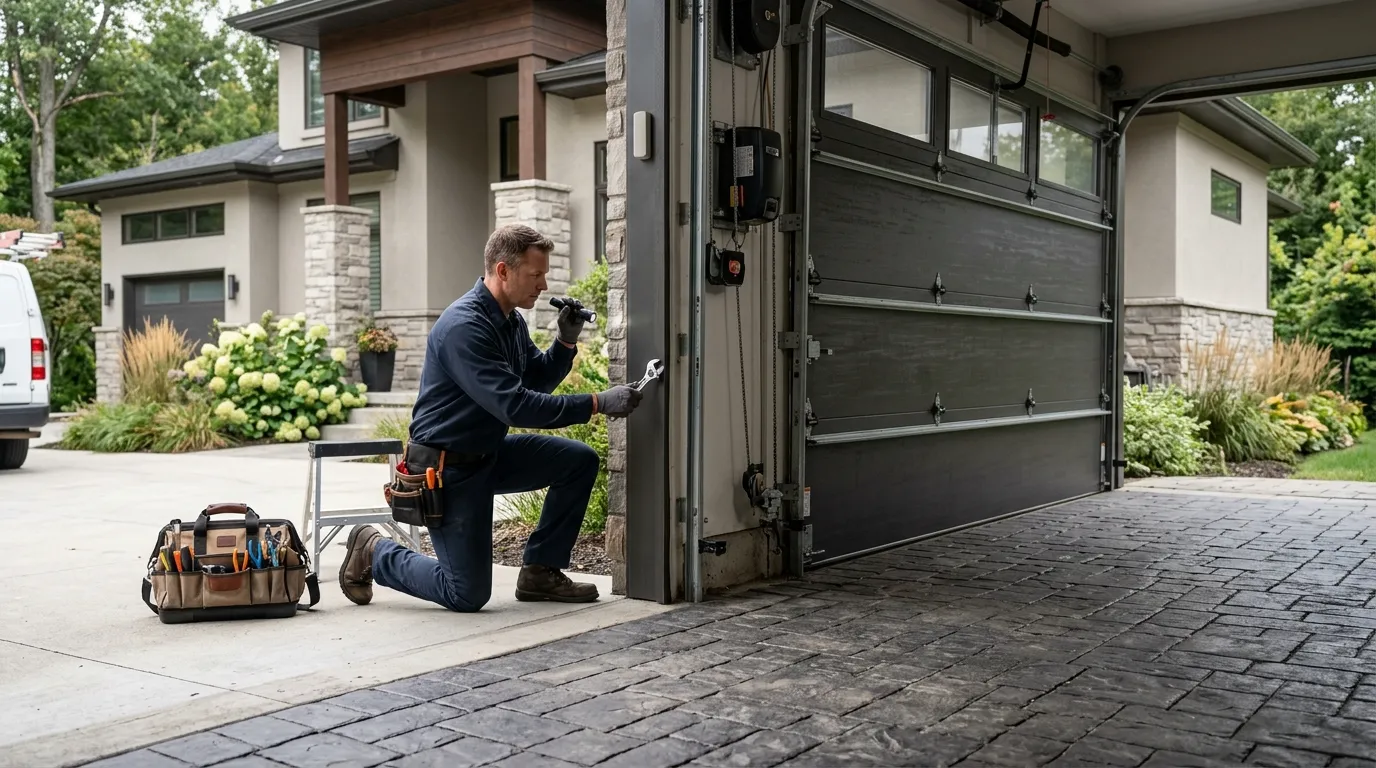
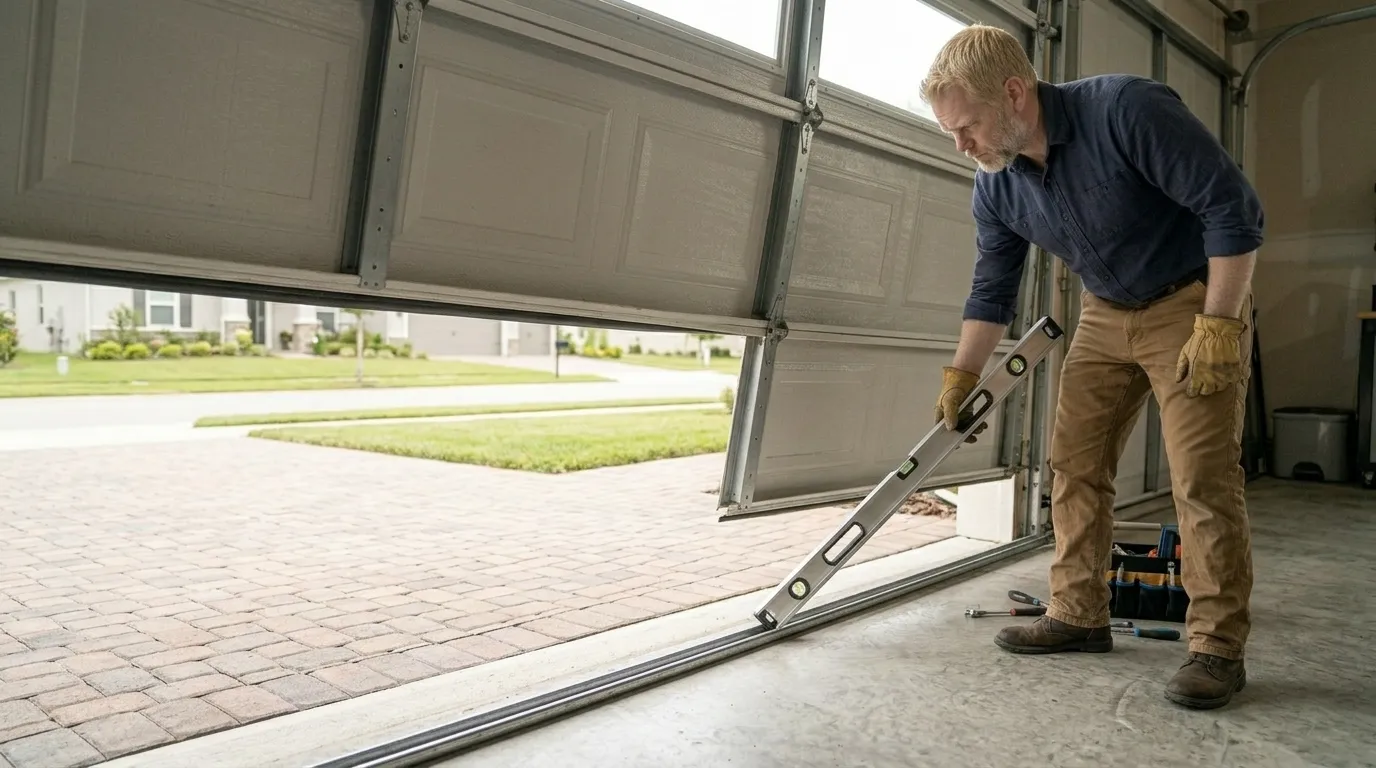
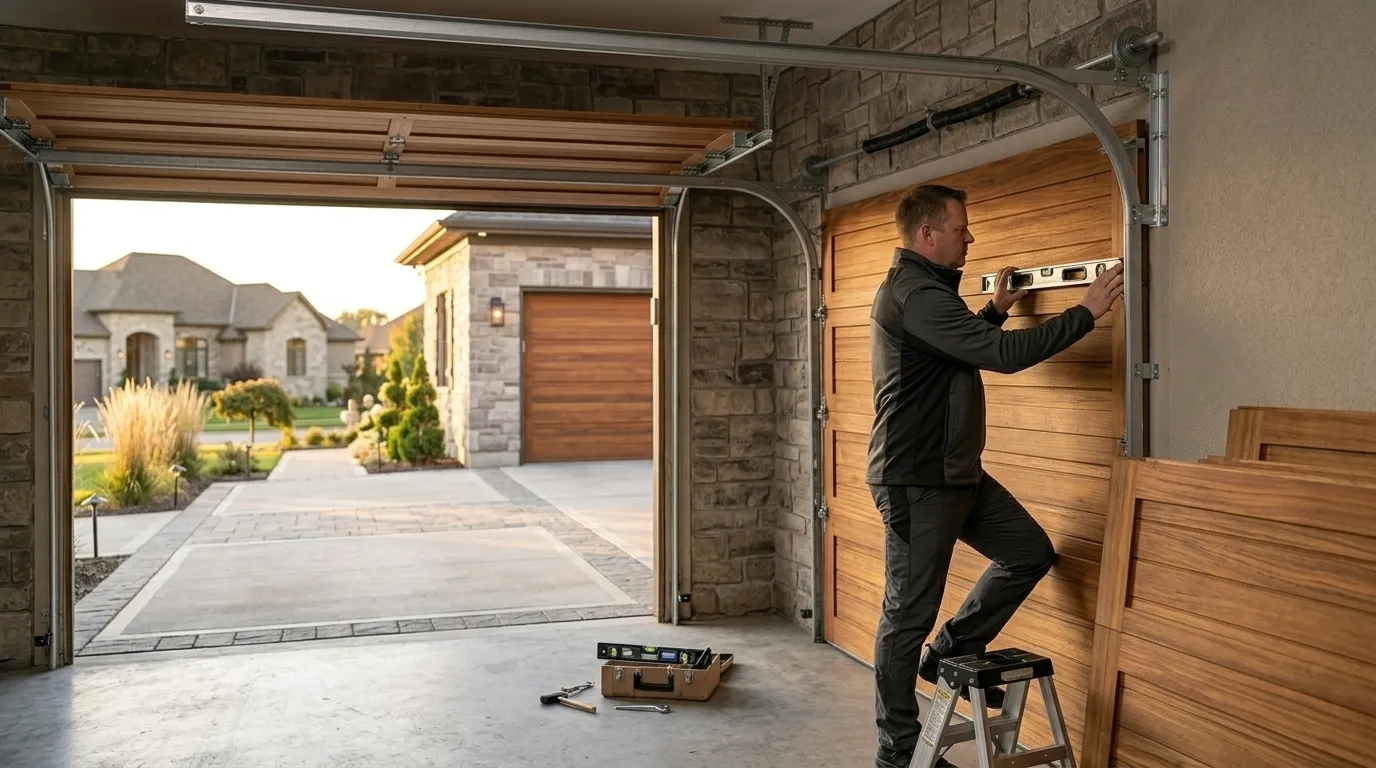
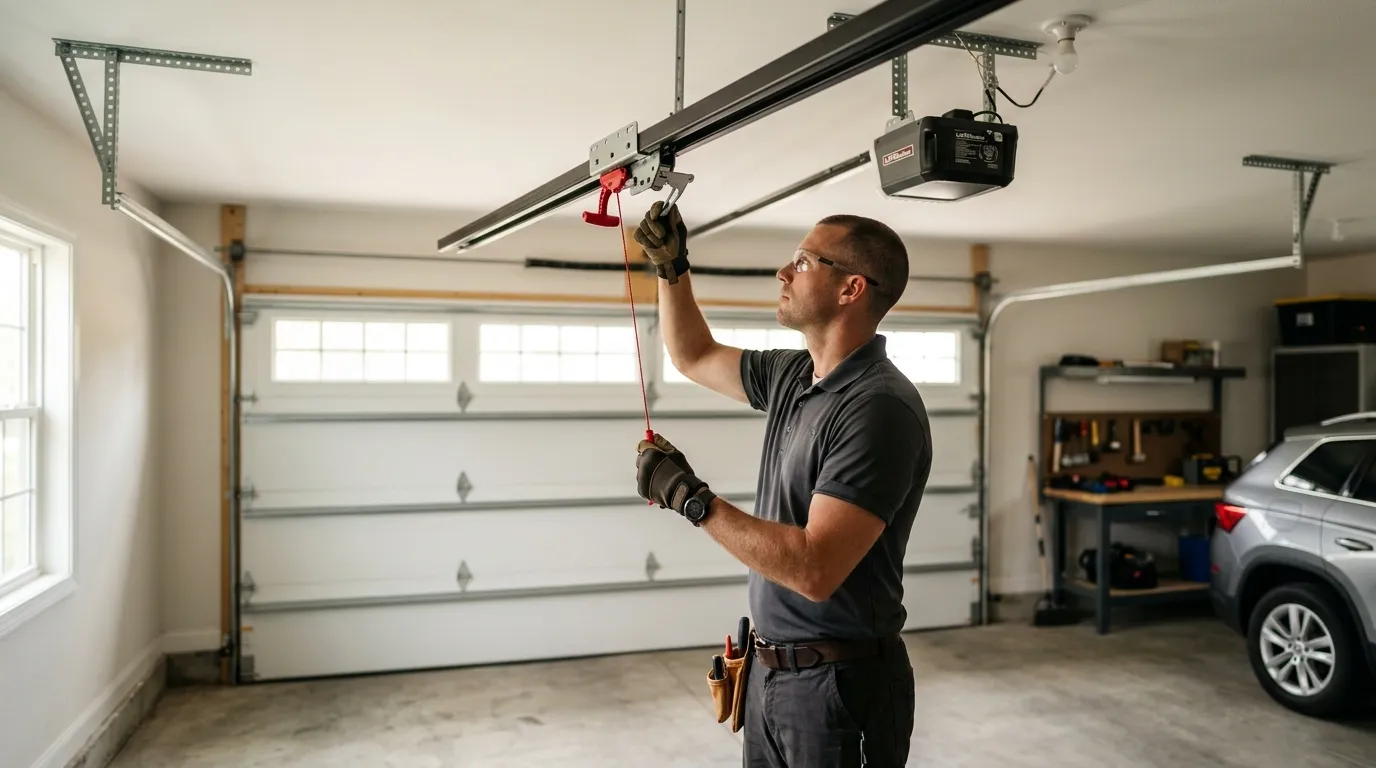
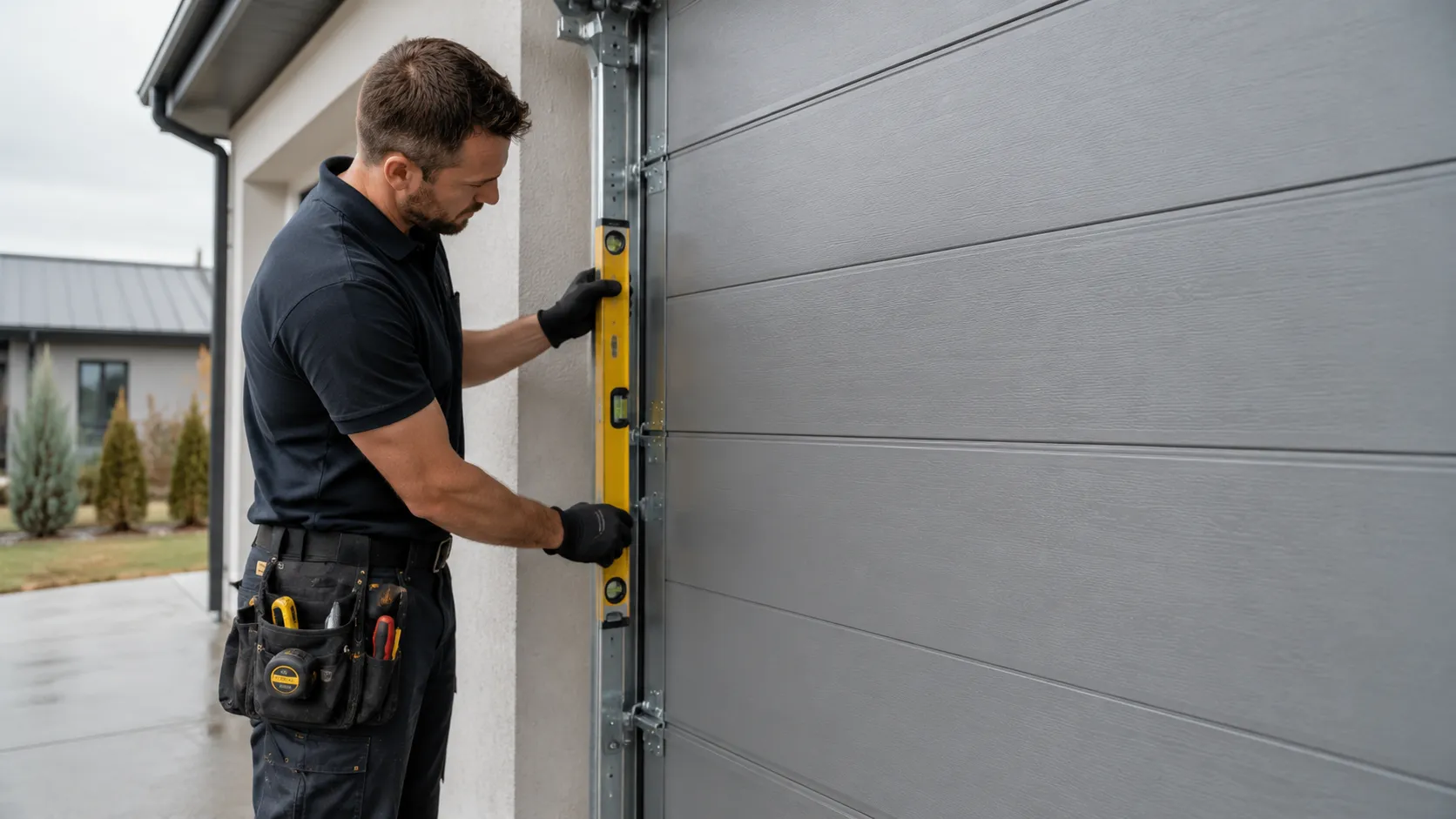
Wheat Ridge's median household income sits at $87,598, well under the $110,968 median across the wider Arvada service area. That gap matters for a roller job, because it's usually the point where a homeowner has to decide whether to fix what's there or start pricing a full door. A roller replacement is one of the cheaper repairs on the list - you're not buying a new opener or a new panel set - but on a track that's badly bent or hardware that's rusted through, throwing new rollers on a bad track just means you're back out here in six months. The complication isn't the part. It's knowing when the part alone actually solves the problem, and when the track or the hinges around it need attention at the same time. On a fixed budget, that call is worth getting right the first time rather than paying for two visits. We look at the whole roller path - track alignment, hinge wear, roller bracket condition - before we tell a Wheat Ridge homeowner whether this is a $200 fix or the start of something bigger.
Stocked Parts
Wheat Ridge's housing stock has a median build year of 1964, which puts it right in the 1960s-70s band that makes up most of the houses across this company's 38 named service areas. Doors from that era were built with steel rollers on steel track, not the sealed nylon rollers that became standard decades later. We carry both. If your door still has the original steel roller and stem setup, we don't have to order it in and wait - it's on the truck. Where we run into trouble is on a handful of older doors with non-standard stem lengths or odd bracket spacing that never got standardized; those sometimes take an extra day to source. That's the honest limitation: most Wheat Ridge jobs are same-visit, but not every mid-century door uses parts that are still common stock, and we'll tell you upfront if yours is one of them rather than guess and charge you for a second trip.
The DIY Question
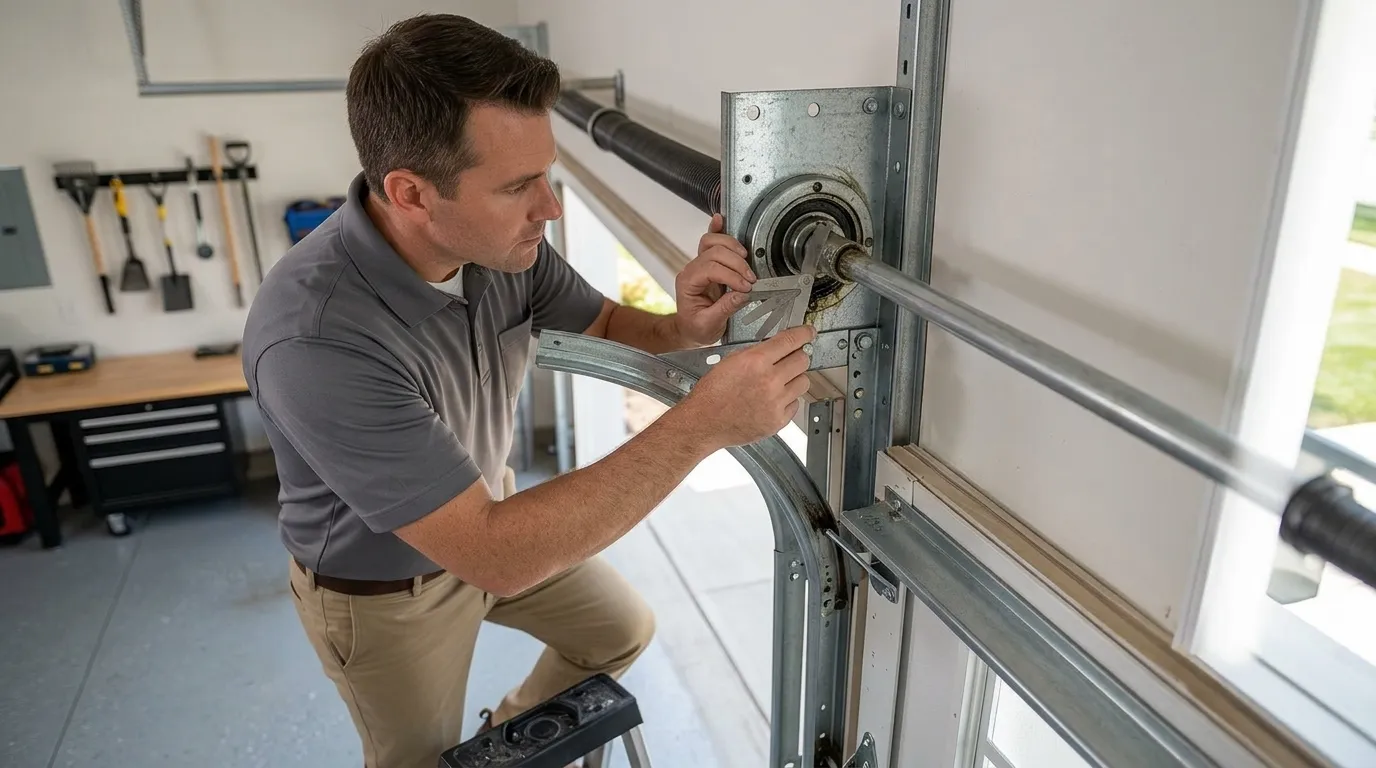
Rollers look like a bolt-on job, and on some doors they are. The problem is the spring. On a double door with steel rollers from a 1964-era build, the door is heavier than a modern insulated door, and the torsion spring holding that weight is under real tension the moment you pull the roller bracket. We're not going to tell you it's impossible to do yourself - plenty of people replace a roller or two without incident. But if more than two or three rollers are shot, or the track is bent enough that the door binds, you're not doing a roller swap anymore, you're doing alignment work on a loaded system, and that's where DIY jobs turn into emergency room visits. If it's one roller near the bottom of the track and the door still moves smooth, it's a reasonable weekend job. If the door judders, drags, or the roller's actually cracked its stem, call it in.
The Symptom
The complaint we hear from this side of the service area is almost always the same: a grinding or scraping noise right as the door passes a certain point in the track, worse in the morning. That's cold-weather roller wear showing up on schedule. The service area sits in a cold-severe climate band, and steel rollers without sealed bearings stiffen up overnight, then have to fight through a stretch of dry, ungreased travel every time the door opens on a cold morning. Give it a few months of that and the roller wheel flattens on one side, or the stem starts to bend where it meets the bracket. You'll hear it before you see it - a rhythmic thud-thud-thud as the flat spot rolls through, once per rotation. If the noise only shows up in cold weather and goes quiet once the door's been run a few times, that's a roller on its way out, not yet a track problem. Worth calling before it becomes one.
What Causes It Around Here
Two things stack up on Wheat Ridge doors specifically: the age of the hardware and the cold. With a median build year of 1964, a lot of these doors are still running the original roller and track combination, or a replacement set installed decades ago that matched the old spec rather than a modern sealed-bearing roller. Steel-on-steel rollers wear faster than nylon to begin with, and the cold-severe climate this area sits in speeds that up - metal contracts, lubricant thickens, and the roller edge starts chewing into the track lip instead of rolling smooth through it. Across the roughly 15,041 households in Wheat Ridge, that's a common enough combination that we see it as a pattern, not a one-off. It's five miles from our Arvada base, so getting a tech out to look at it isn't a logistics problem - the fix itself is usually straightforward once we've confirmed the track hasn't taken damage from years of a rough-riding roller.
How it works
From “it’s stuck” to “it’s fixed”
01
Tell us what’s wrong
Describe the symptom - won’t open, loud bang, opener runs but the door won’t move.
02
On-site diagnosis
A technician tests the door under power and by hand and finds what actually failed.
03
Clear, up-front plan
You get the fix that’s needed and what drives the cost - before any work starts.
04
Repaired & tested
The repair is done, the door is set true and tested, and the work area left clean.
Serving Arvada, CO - tell us what your door’s doing and we’ll take it from there.
Straight answers about garage door repair in Arvada. Still unsure? Ask us directly.
How much does roller replacement cost in Wheat Ridge
We don't quote a flat number without seeing the door - steel rollers, nylon rollers, and how many need replacing all change the price. Given Wheat Ridge's median income runs below the wider service area average, we walk through the repair-versus-replace math with you before recommending anything beyond the roller swap itself.
Do you keep a truck stocked near Wheat Ridge
No - this company works out of Arvada, about five miles away, and stocks parts on the truck rather than running a Wheat Ridge branch. Common roller sizes for the 1960s-era doors typical here are usually on hand; unusual stem lengths sometimes need a day to source.
Why does my door only grind in cold weather
Steel rollers without sealed bearings stiffen in cold-severe winters, and dry hardware fights through the track instead of rolling smooth. If the noise fades once the door's been run a few times but comes back the next cold morning, that's a roller nearing the end, not a track problem yet.
Can I replace just the worst roller and leave the rest
On a door with one bad roller near the bottom and smooth overall travel, yes, that's a reasonable partial fix. If more than two or three are flattened or the track shows binding, replacing all the rollers at once usually costs less over time than repeat visits for one at a time.