
How far out is Wheat Ridge from your shop?
About five miles from our base in Arvada. It's a short enough drive that a maintenance visit is straightforward to schedule and doesn't add meaningful travel time to the job.
Wheat Ridge sits 5 miles from our Arvada shop, and its 1964-era housing runs older spring and track hardware than most of the service area. Here's what that means for upkeep.
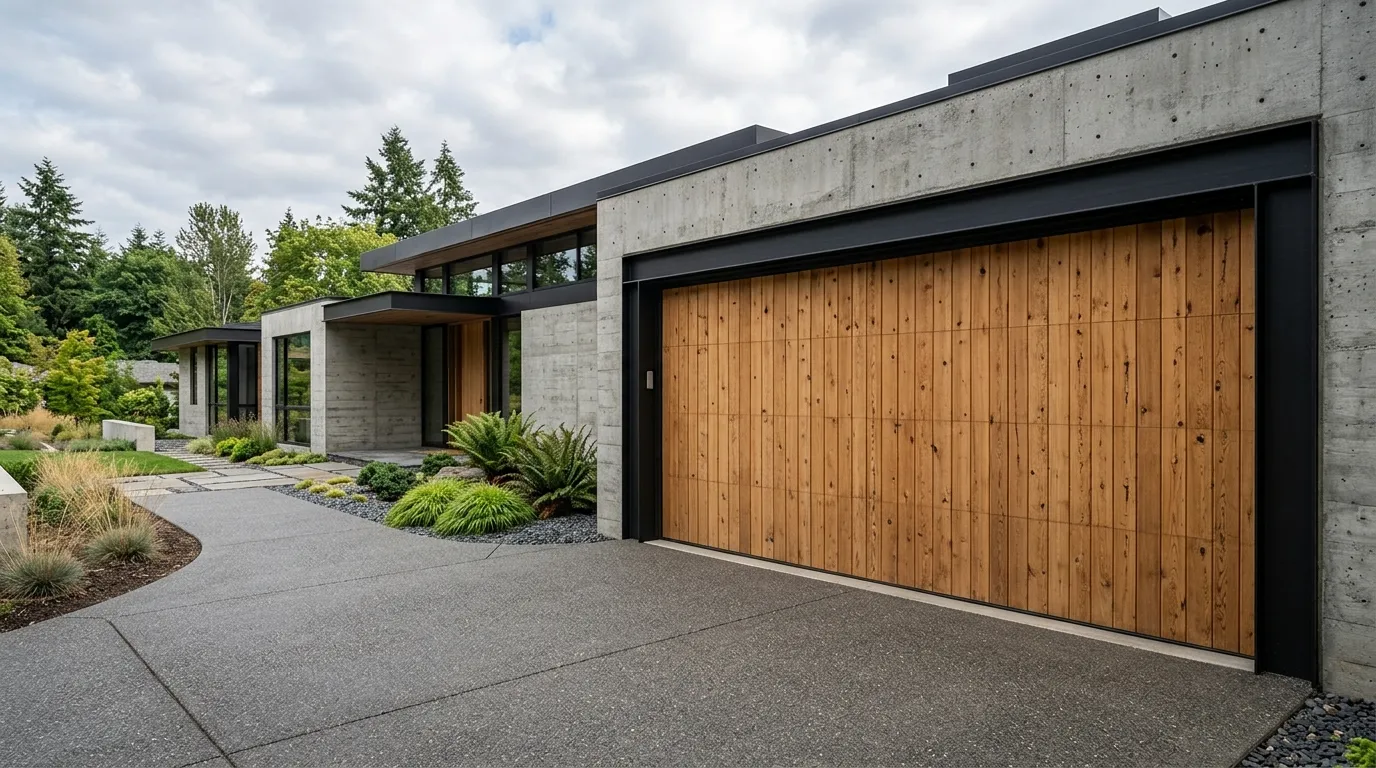
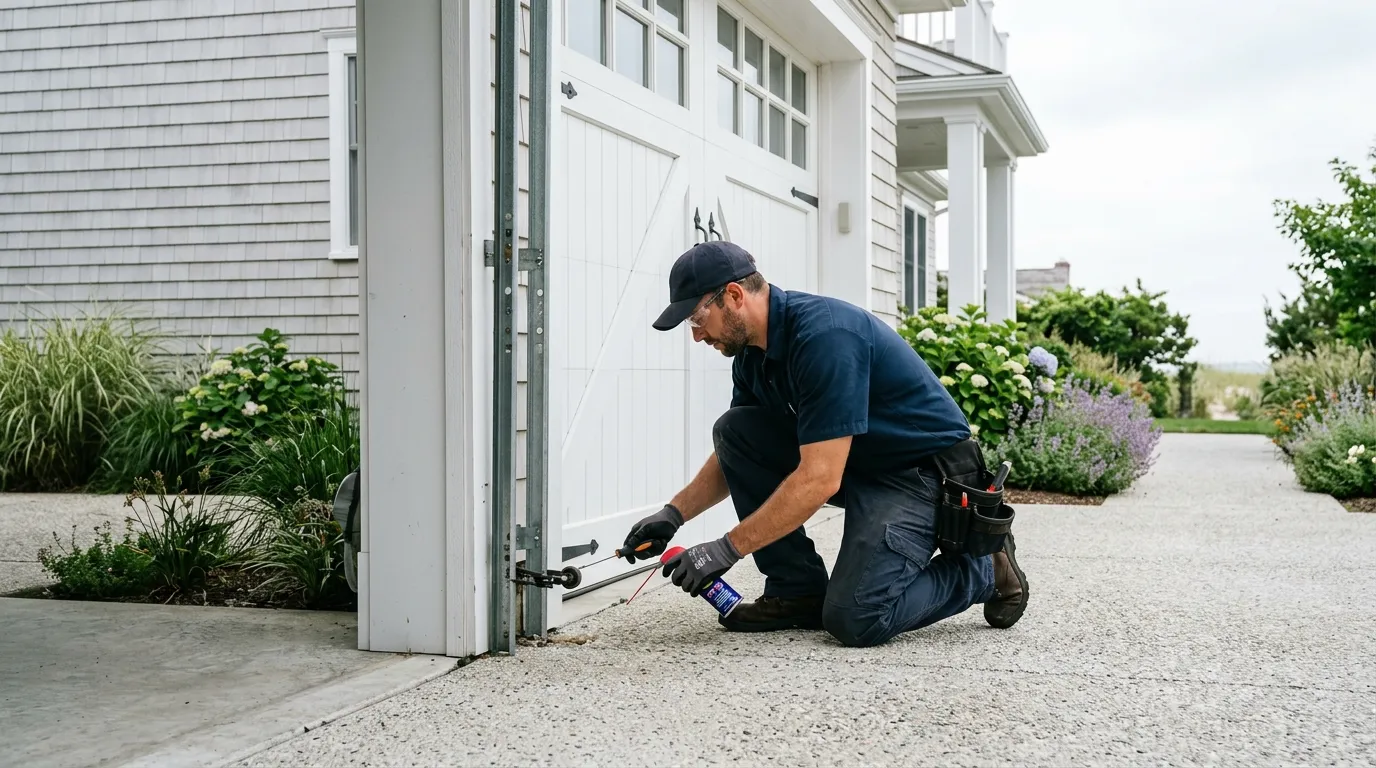
Wheat Ridge is a five-mile drive from our shop in Arvada, which is close enough that a maintenance visit doesn't get eaten up by windshield time - we're not routing through downtown traffic or crossing the whole metro to get to you. That distance matters less than what's waiting at the house once we arrive. The typical home here went up around 1964, which puts it a full decade or more ahead of the median build year across the rest of our service area (1977). Older build years mean the garage door and opener have usually been swapped out at least once, sometimes twice, and what's installed now is a mix of eras - a 1990s door on the original track, or a newer opener bolted to hardware that predates it. A maintenance visit on a house like this isn't a checklist you run the same way on every stop. We have to look at what's actually there before we touch anything, because the fix that works on a 2005 install can strip the mounting on a track from 1975.
We carry the rollers, cables, and standard torsion springs that cover most of what fails on doors from the 1960s and 70s stock common through this part of the service area. Those parts move fast because that era of hardware is everywhere here. What we don't keep on the truck is anything specialty - a spring size that stopped being made, a track profile only one or two manufacturers ever used. If your door needs one of those, we tell you straight rather than guess at a fix that won't hold, and we order the part rather than force a substitute. That's the honest limit of a maintenance call: we can service and adjust what's common, but a genuinely obsolete part means a short wait.
The complaint we hear most from this side of the service area is a door that's noticeably heavier to lift by hand than it used to be, or an opener that strains and reverses partway up. On houses from the 1964 era, that's almost always spring fatigue - the torsion spring has lost tension over decades of cold-weather cycling and the opener is compensating by working harder than it's rated for. Left alone, that strain eventually cracks a gear or burns out the motor, turning a spring adjustment into a full opener replacement.
The service area sits in a severe cold climate band, and Wheat Ridge gets the same winter swing as everywhere else we cover - hard freezes that stiffen lubricant and make steel more brittle. Combine that with a housing stock that's, on average, older than the rest of the area (1964 versus a service-wide median of 1977) and you get springs and cables that have simply logged more freeze-thaw cycles than their newer counterparts a few miles away. That's not a defect in the house or the door - it's just math. A spring rated for a certain number of cycles reaches the end of that count sooner when winters are hard and the hardware is a decade or two further along.
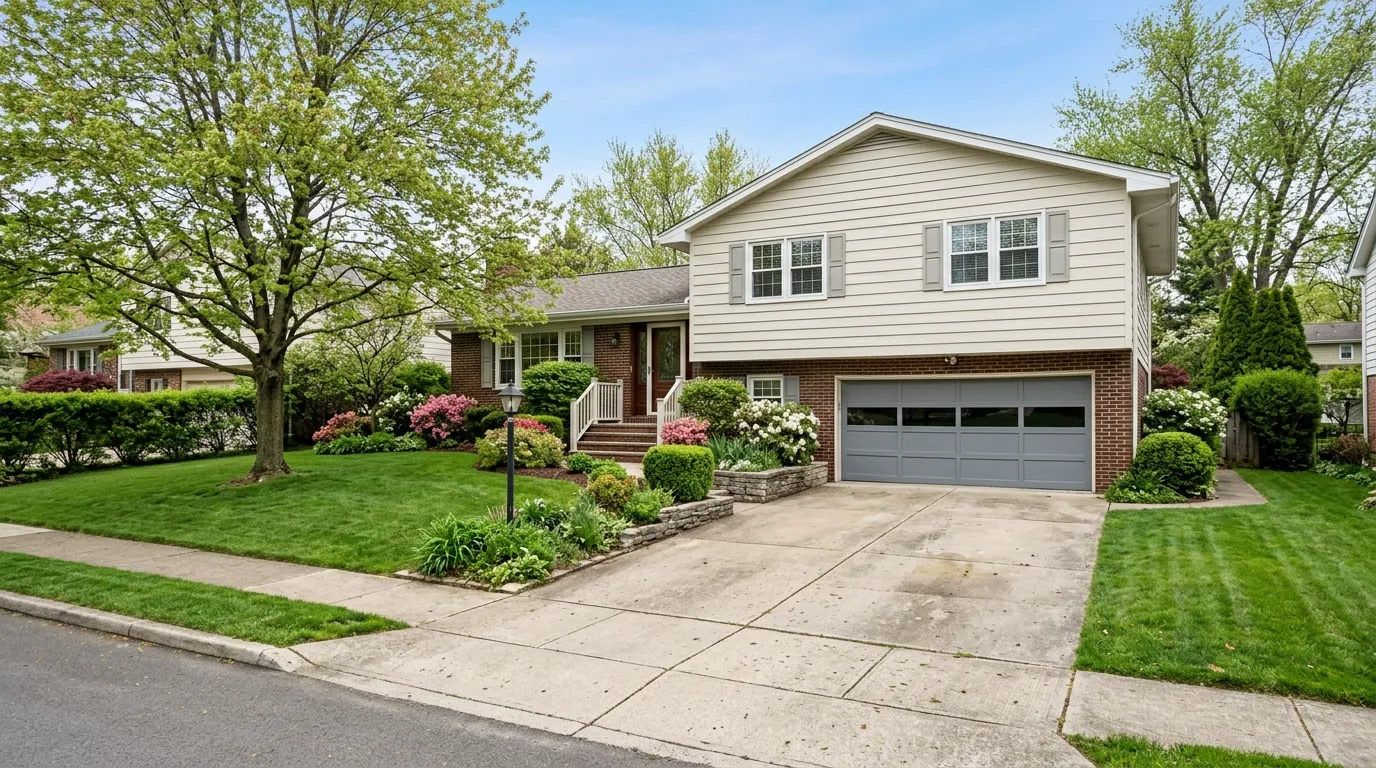
Describe the symptom - won’t open, loud bang, opener runs but the door won’t move.
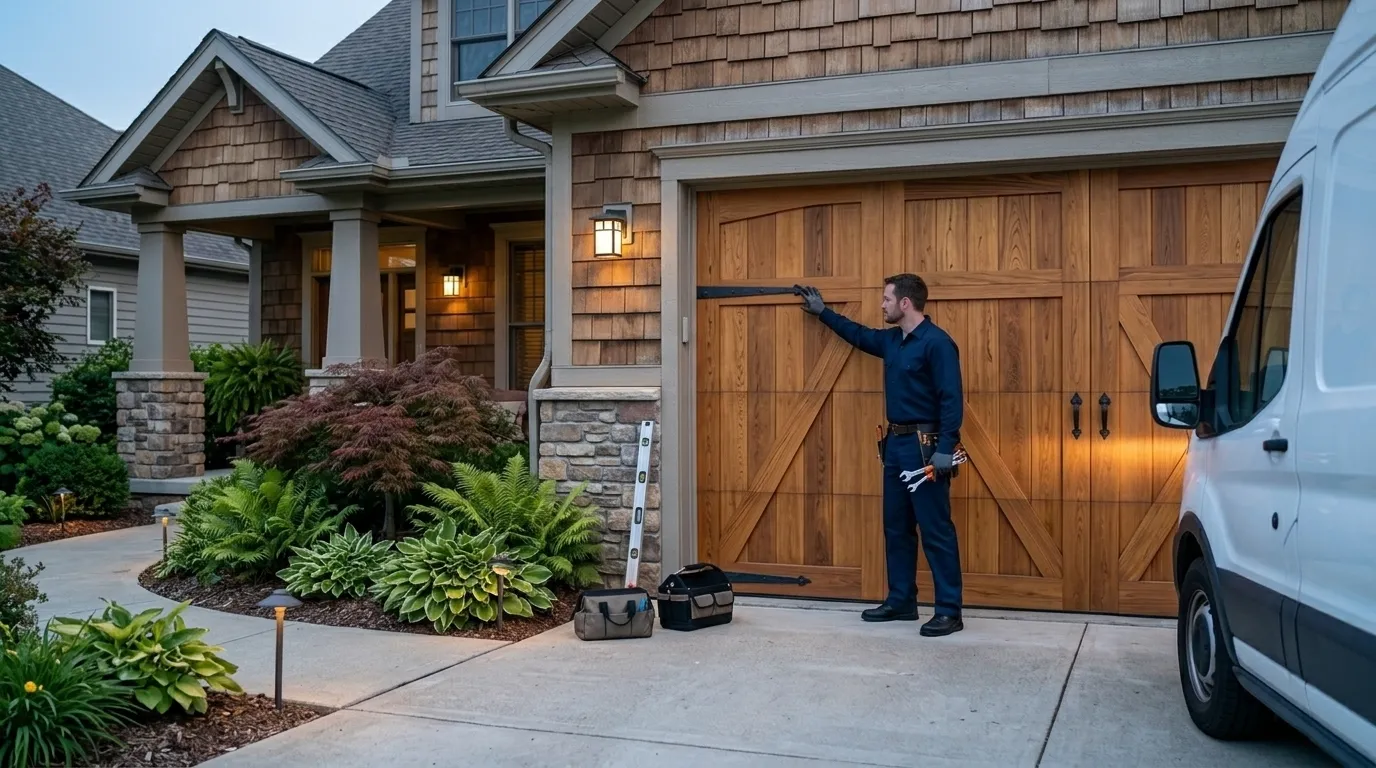
A technician tests the door under power and by hand and finds what actually failed.
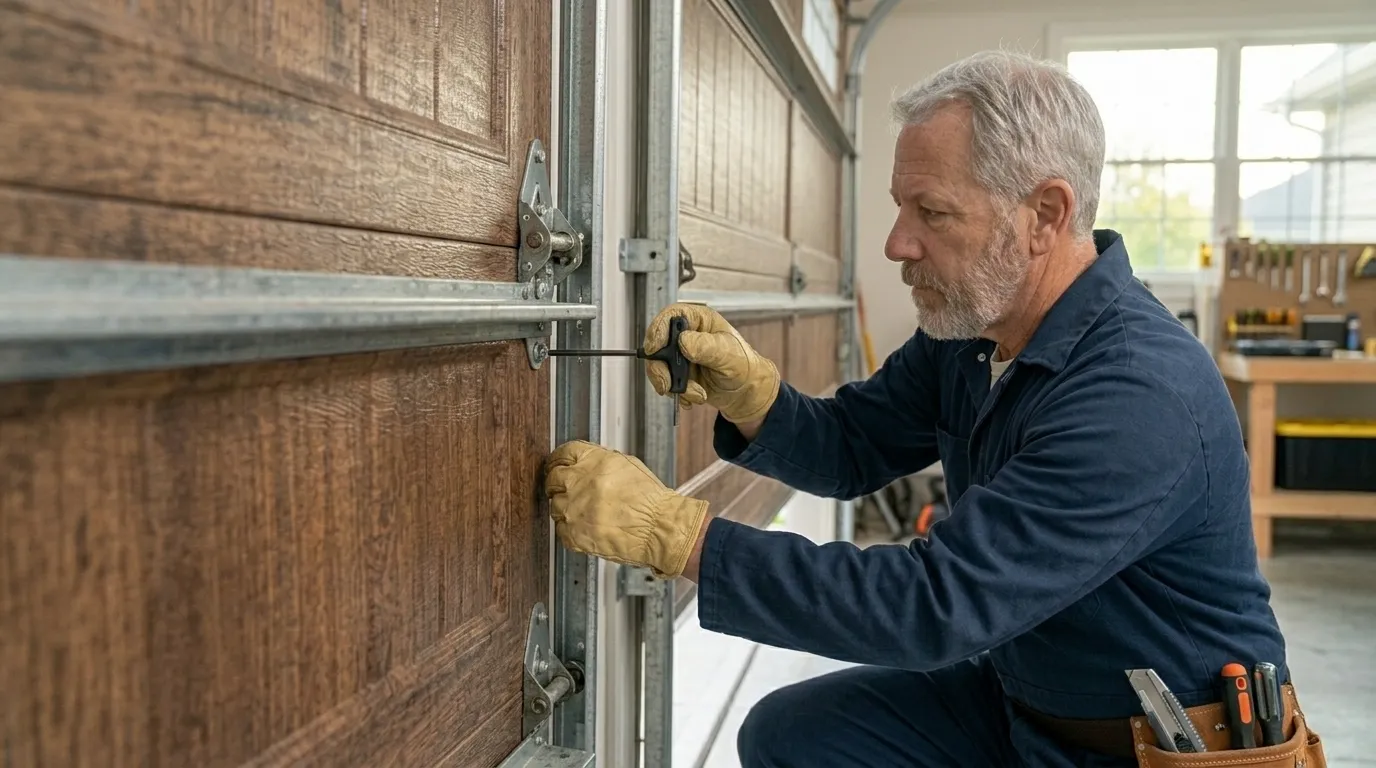
You get the fix that’s needed and what drives the cost - before any work starts.
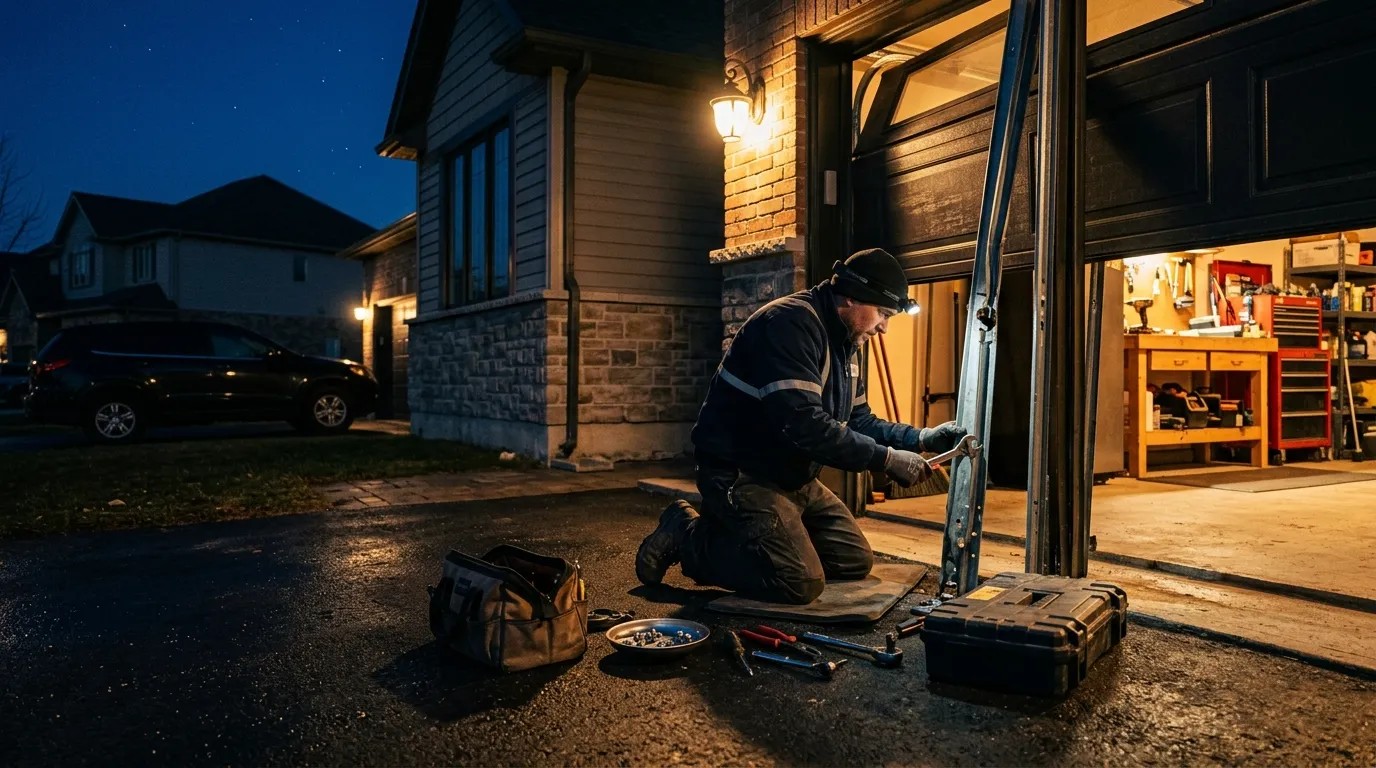
The repair is done, the door is set true and tested, and the work area left clean.
Illustrative styles - sectional, insulated steel, carriage, and commercial doors.
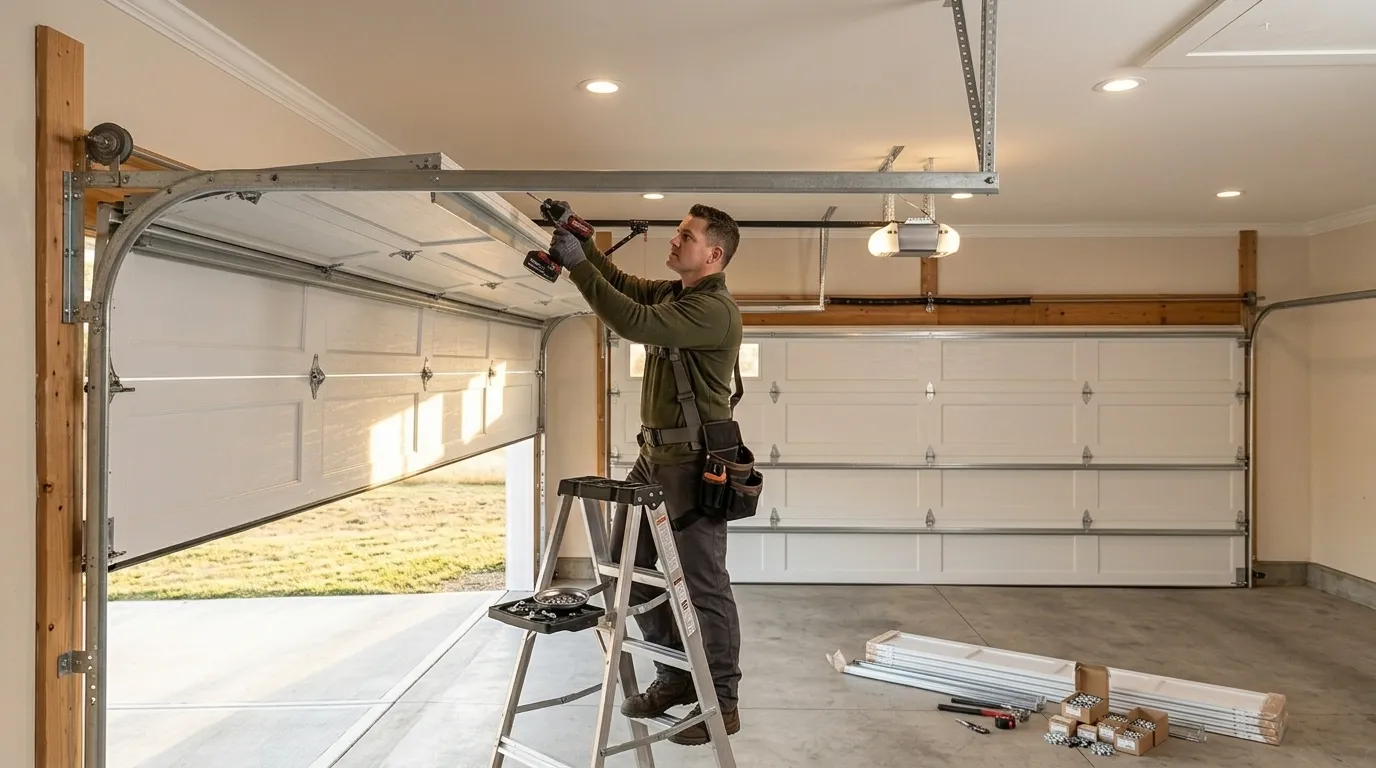
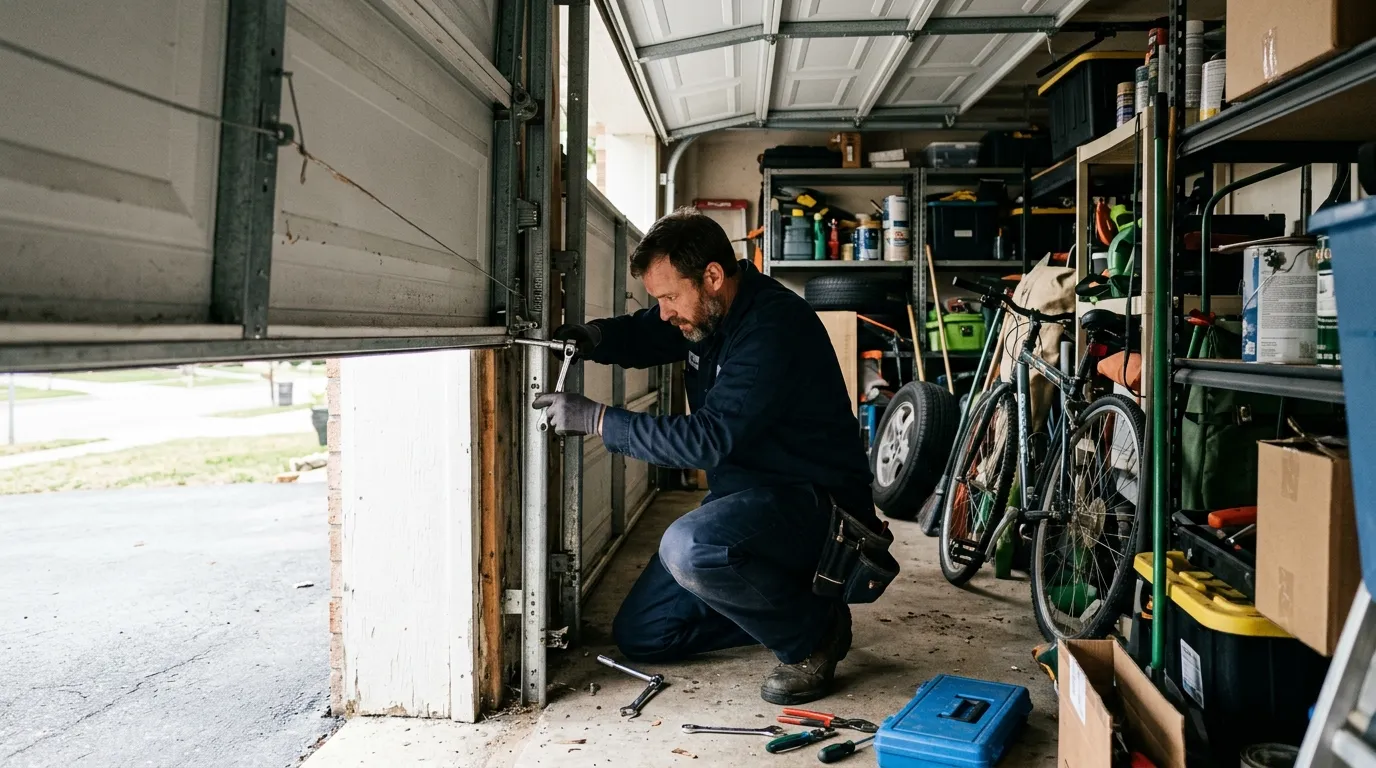
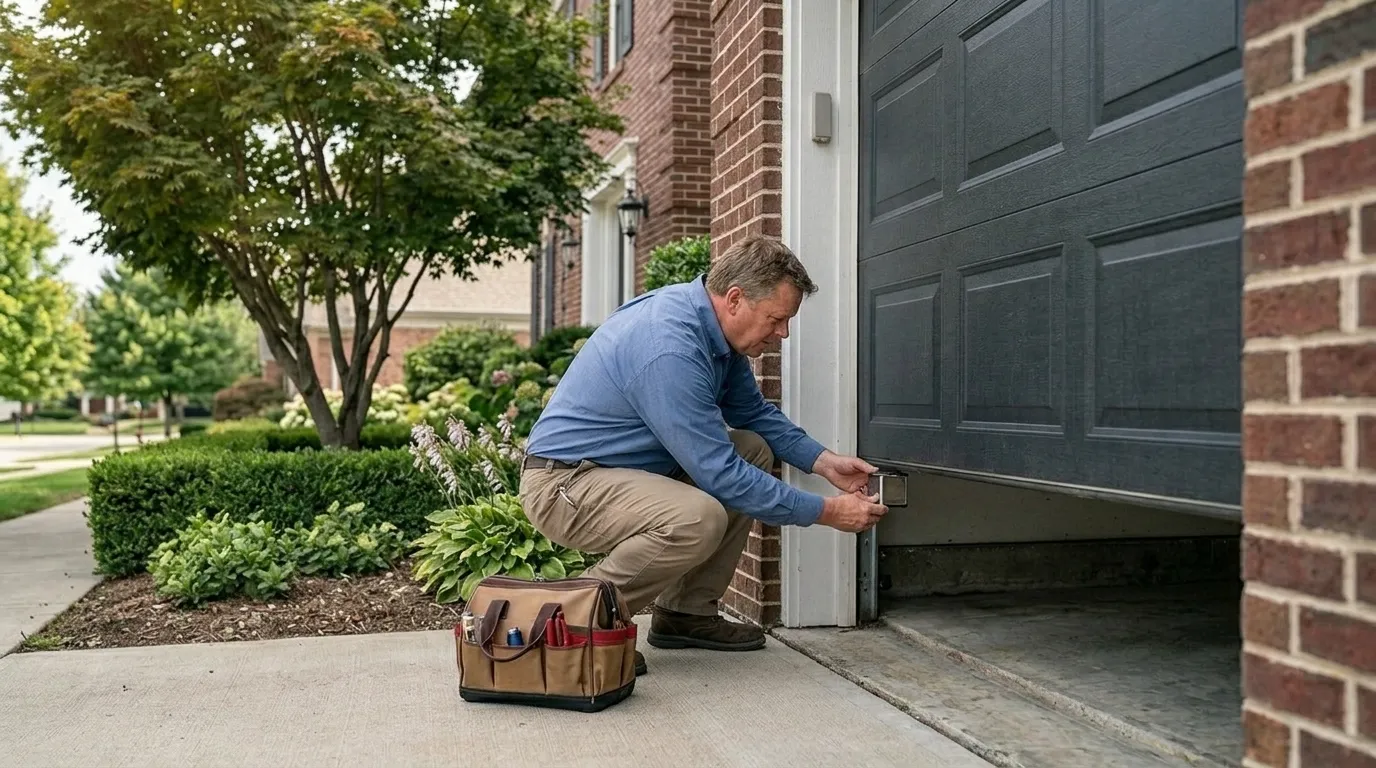
Straight answers about garage door repair in Arvada. Still unsure? Ask us directly.
About five miles from our base in Arvada. It's a short enough drive that a maintenance visit is straightforward to schedule and doesn't add meaningful travel time to the job.
Not usually just because of age. A door from the 1964-era stock common here can often run well for years with proper spring and roller service. Replacement makes more sense when the track or panel itself is damaged, not simply because the hardware is decades old.
Cold stiffens lubricant and steel loses some give, so a spring that's already fatigued has to work harder. In a severe cold climate like this one, that seasonal strain speeds up wear on older torsion springs.
We carry the common springs, cables, and rollers that fit most 1960s-70s hardware, which covers the majority of calls here. Genuinely obsolete parts sometimes need to be special-ordered, and we'll tell you upfront if that's the case.
Tell us what it’s doing and where you are in Arvada - we’ll take it from there.