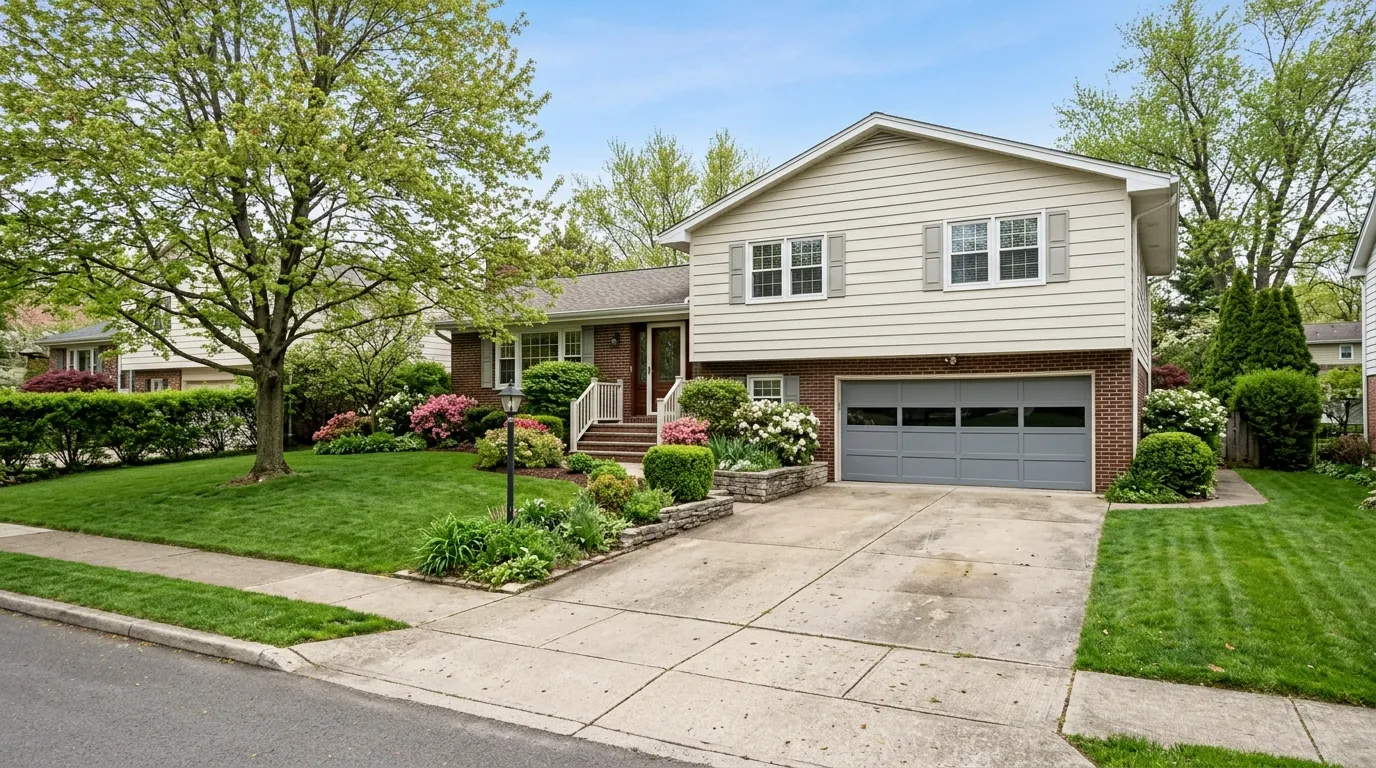
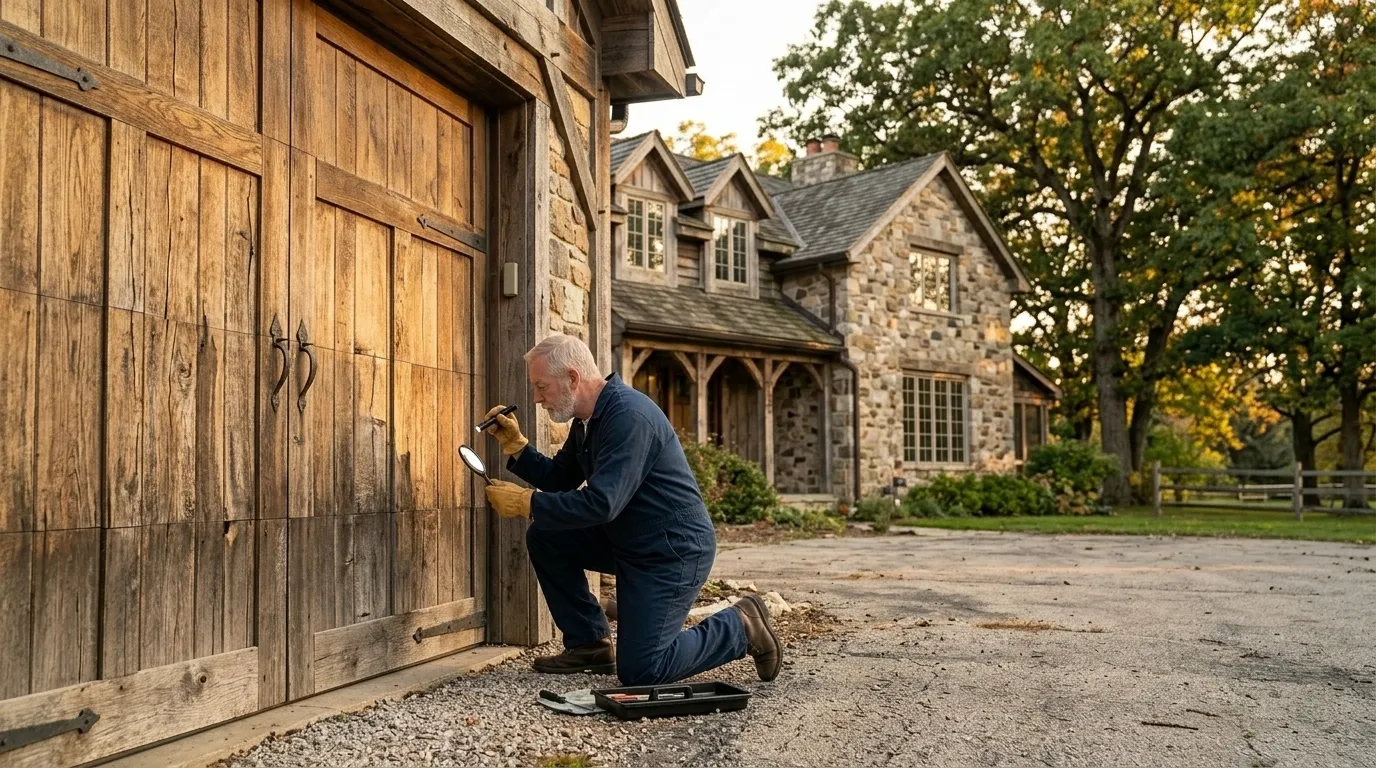
Most calls we get across Arvada, from Ralston Valley to Allendale, come from doors that were installed when the house was built, or close to it. Housing here mostly went up between 1938 and 2010, with the bulk of it dating to the 1960s and 70s - that's true in Cameo Estates, Northwest Arvada, and most of the pockets between Olde Town Arvada and the I-70 Corridor. A door and opener from that era wasn't built for the loads or the cycle counts we ask of garage doors now. Springs sag, hinges wear oval, and the steel on original panels thins out at the bottom where moisture sits. When we roll up on a job, we're not guessing at what decade of hardware we'll find under the panel - we already have a decent idea, because the neighborhood tells us. That's the starting point for every inspection: what era is this door, and what's typical for a house built when this one was.
What Local Conditions Do
This is a cold, severe climate band, and that matters more to a garage door than most people think. Steel torsion springs lose tension faster in repeated freeze-thaw cycles, and the grease in older bearing plates thickens up hard in a cold snap, which is exactly when an opener strains and a cable frays. Nylon rollers that were fine in August turn brittle and crack in January. On older 1960s-70s stock without insulated panels, we also see condensation freeze inside the track, which throws the door off its rollers on the first cold morning it's used. None of this is dramatic - it's slow wear that a cold winter accelerates. We look for it because it's the pattern we see across this service area every year, not because any one door is unusual.
When to Get Help
Call before the door fails all the way, not after. A door that's noticeably heavier to lift by hand, a spring that's visibly gapped or twisted, or an opener that grinds and stops partway are all signs the hardware is near the end, especially on a door original or close to original to a 60s or 70s build. If the bottom panel is rusted through or the track is bent, that's not a tighten-and-grease job - replacement is usually the more honest answer than repair, and we'll tell you that up front rather than patch something that'll fail again in a season. One limitation worth naming: we don't carry every obsolete part for every original door in this age range, and sometimes the wait on a matching panel or hinge set is longer than either of us wants.
What to Look At First
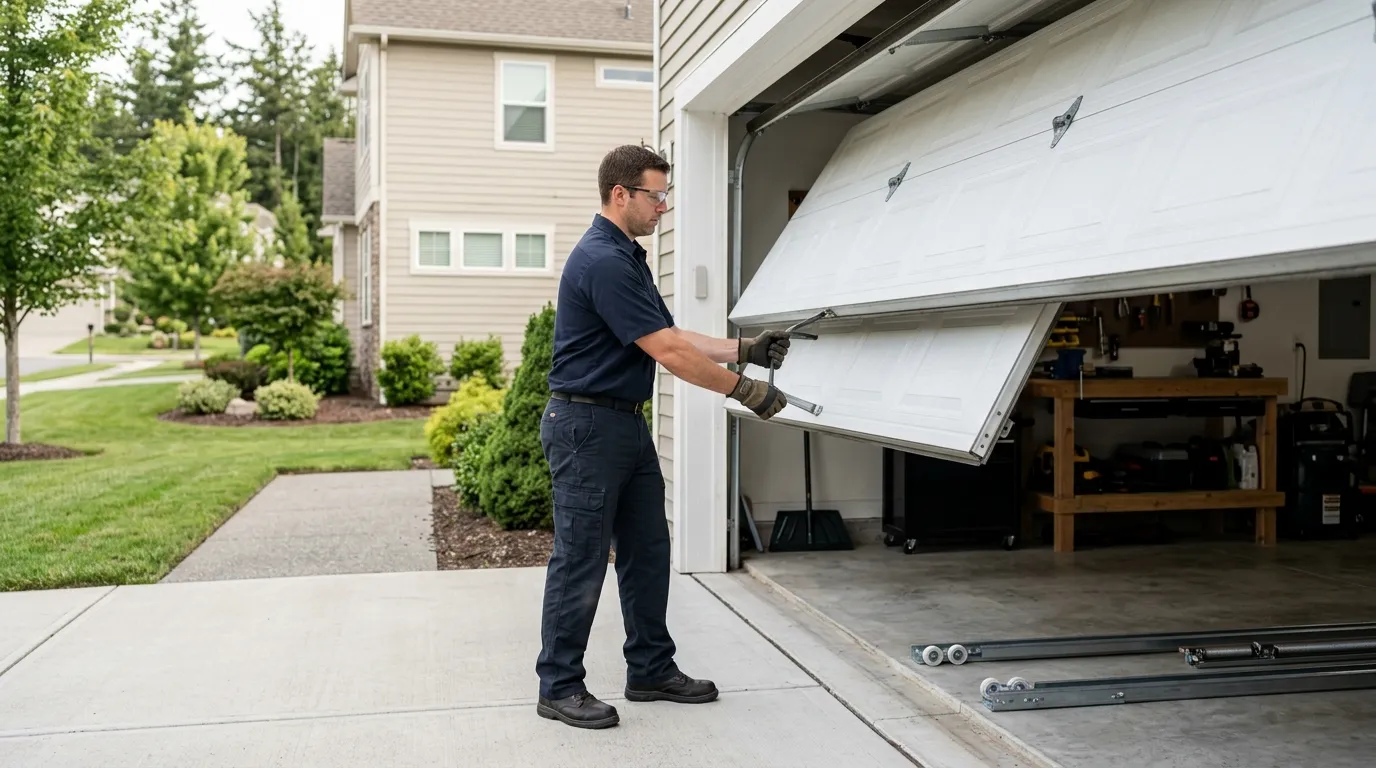
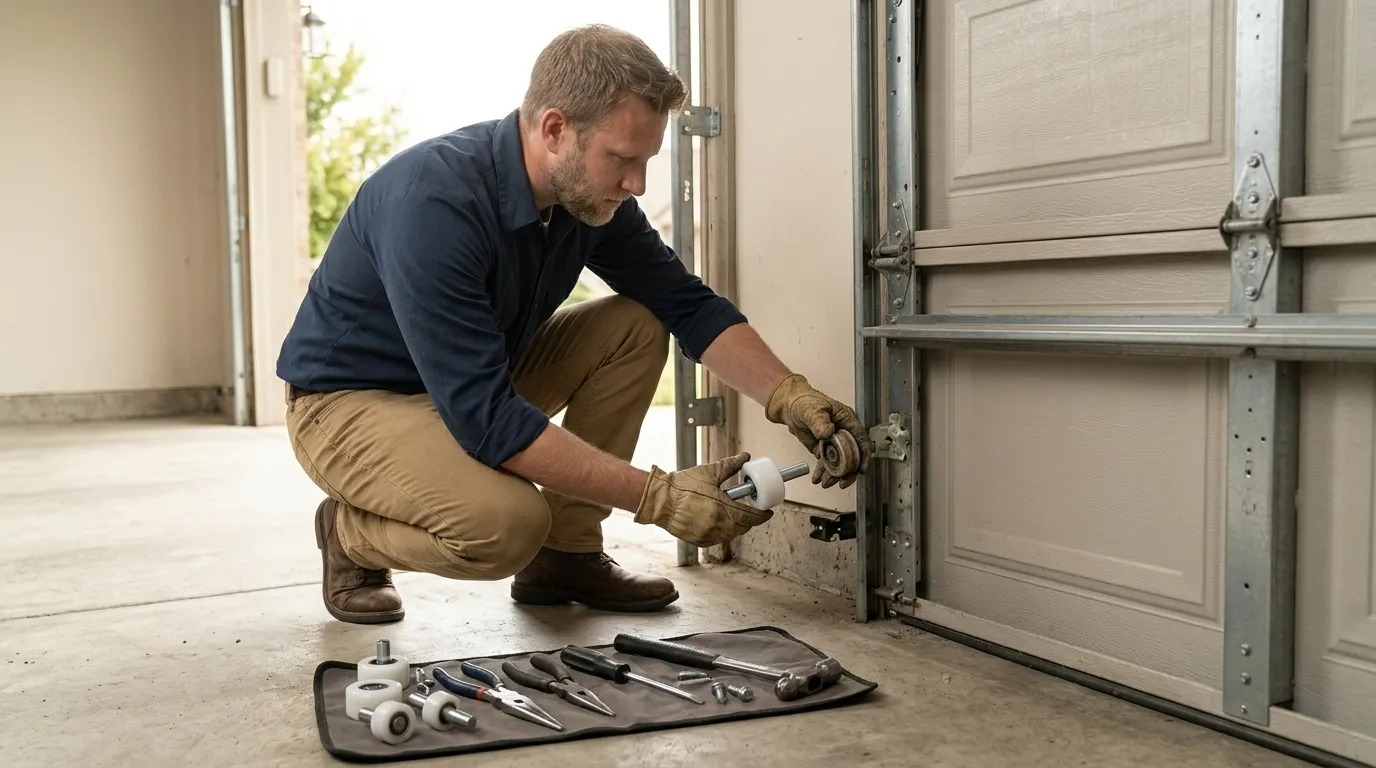
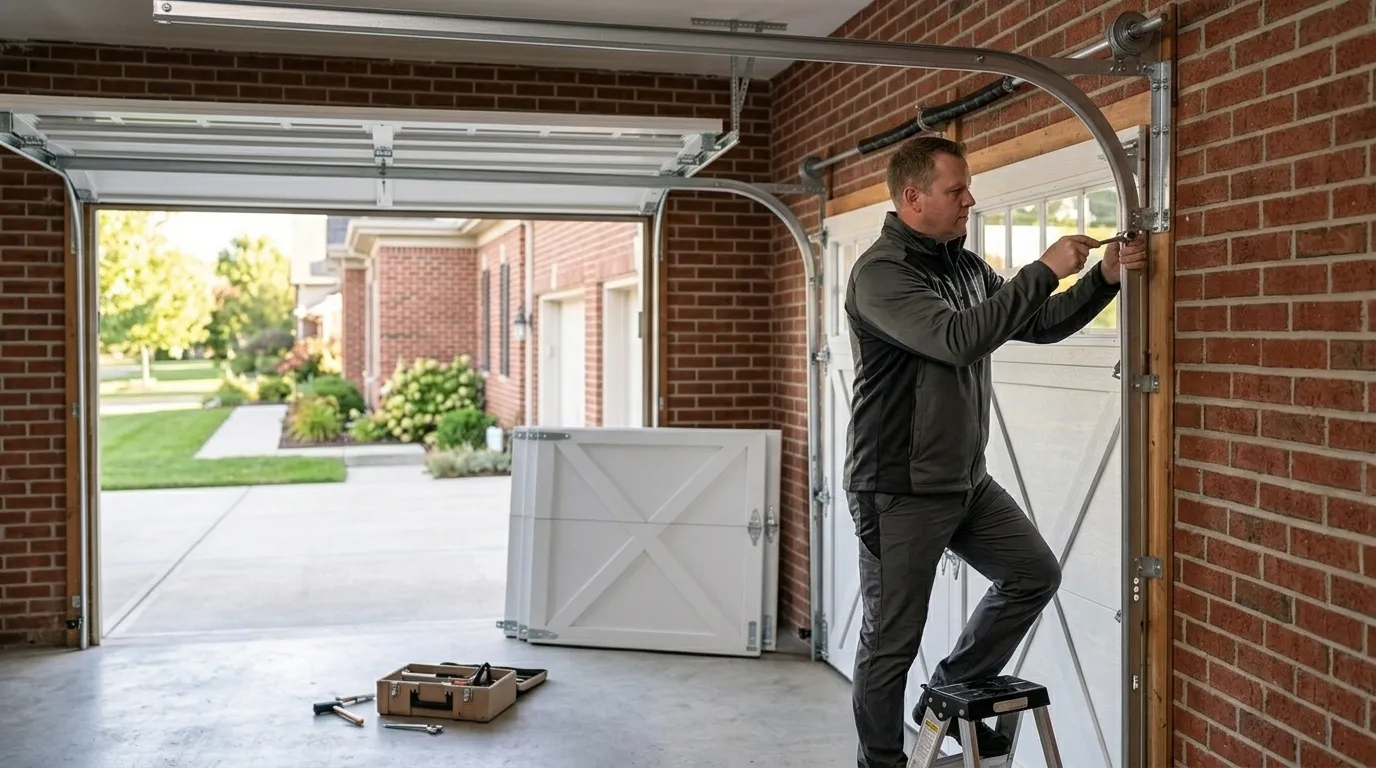
Before we touch the opener, we check the springs - tension, wear, and whether they match the door's actual weight, since a lot of doors in this area have had a panel or two swapped over the decades without the spring being re-rated. Next is the track and rollers, looking for the ice-glaze wear pattern that's common after a hard winter here. Then cables, for fraying near the drum, and the bottom seal, since a cracked seal on an unheated garage lets in the kind of cold that stiffens everything else faster. Only after that do we get to the opener itself. It's a specific order, and we keep to it because on housing stock this old, the door hardware fails before the electronics usually do.
How it works
From “it’s stuck” to “it’s fixed”
01
Tell us what’s wrong
Describe the symptom - won’t open, loud bang, opener runs but the door won’t move.
02
On-site diagnosis
A technician tests the door under power and by hand and finds what actually failed.
03
Clear, up-front plan
You get the fix that’s needed and what drives the cost - before any work starts.
04
Repaired & tested
The repair is done, the door is set true and tested, and the work area left clean.
Serving Arvada, CO - tell us what your door’s doing and we’ll take it from there.
Straight answers about garage door repair in Arvada. Still unsure? Ask us directly.
Why does my garage door get hard to lift every winter?
In this climate band, cold thickens grease and shrinks steel slightly, which puts more load on a spring that may already be worn from age. On a door original to a 1960s or 70s build, that seasonal stiffness is often the first sign the spring is near the end of its life, not just a cold-weather quirk.
Is it worth repairing an original door from the 60s or 70s?
Sometimes. If the panel steel is solid and it's just springs, cables, or rollers, repair makes sense. If the bottom panel has rusted through or the track is bent from age, replacement is usually the better use of money - we'll say so rather than patch it.
Do you carry parts for older, original hardware?
Not always. Some panel and hinge styles from the 1960s-70s era aren't made anymore, and matching parts can take longer to source than a standard repair. We'll tell you at the door if that's the situation before we start any work.