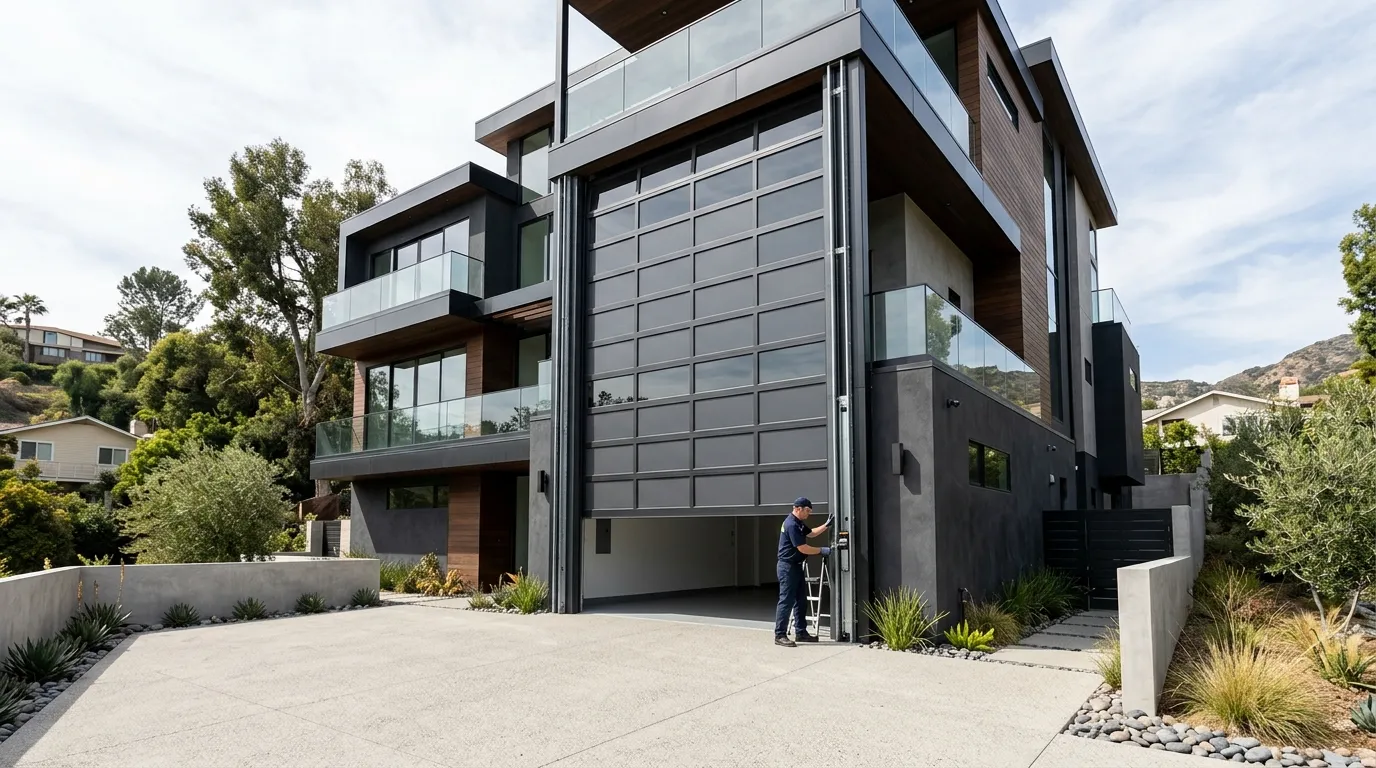
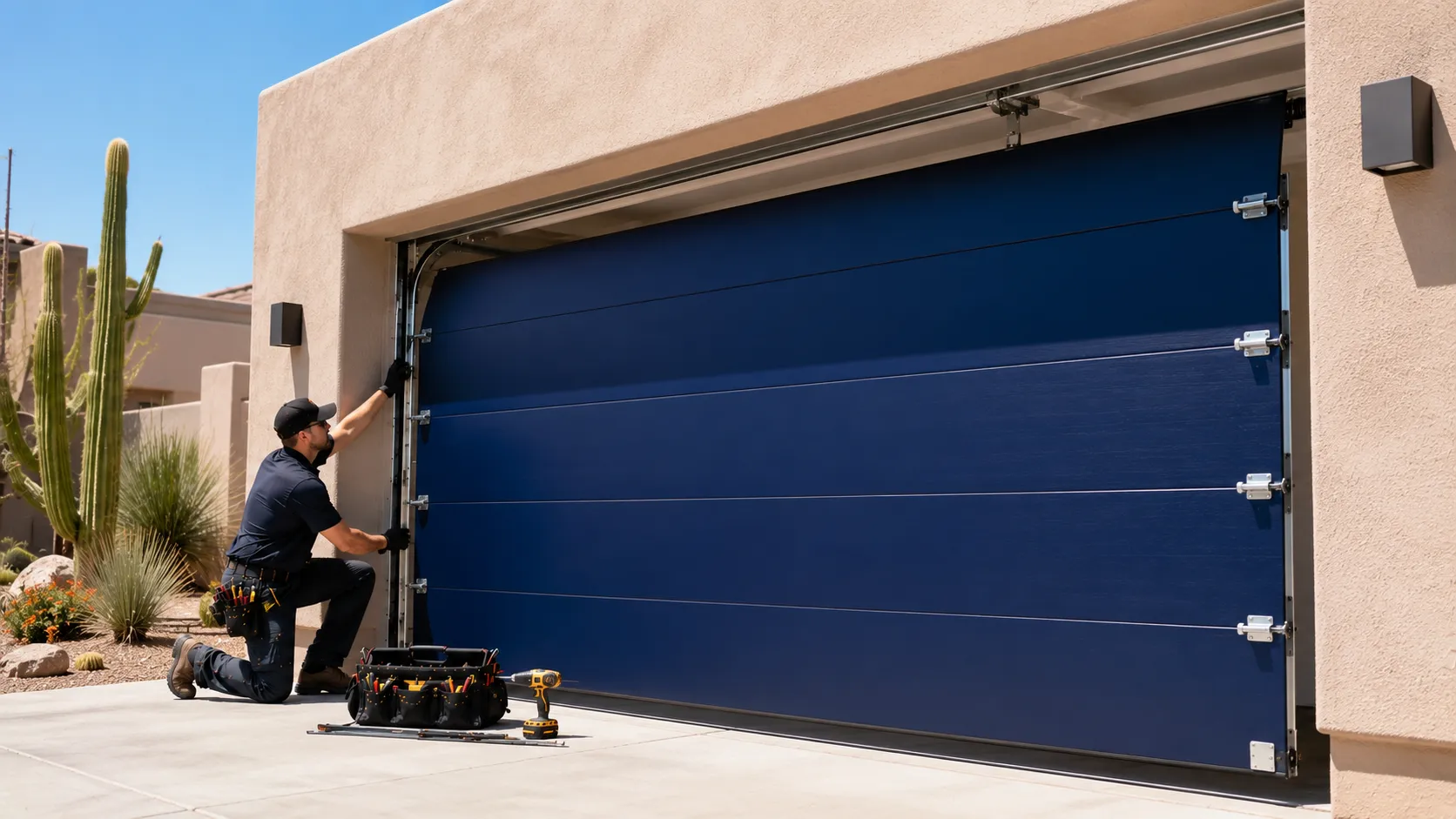
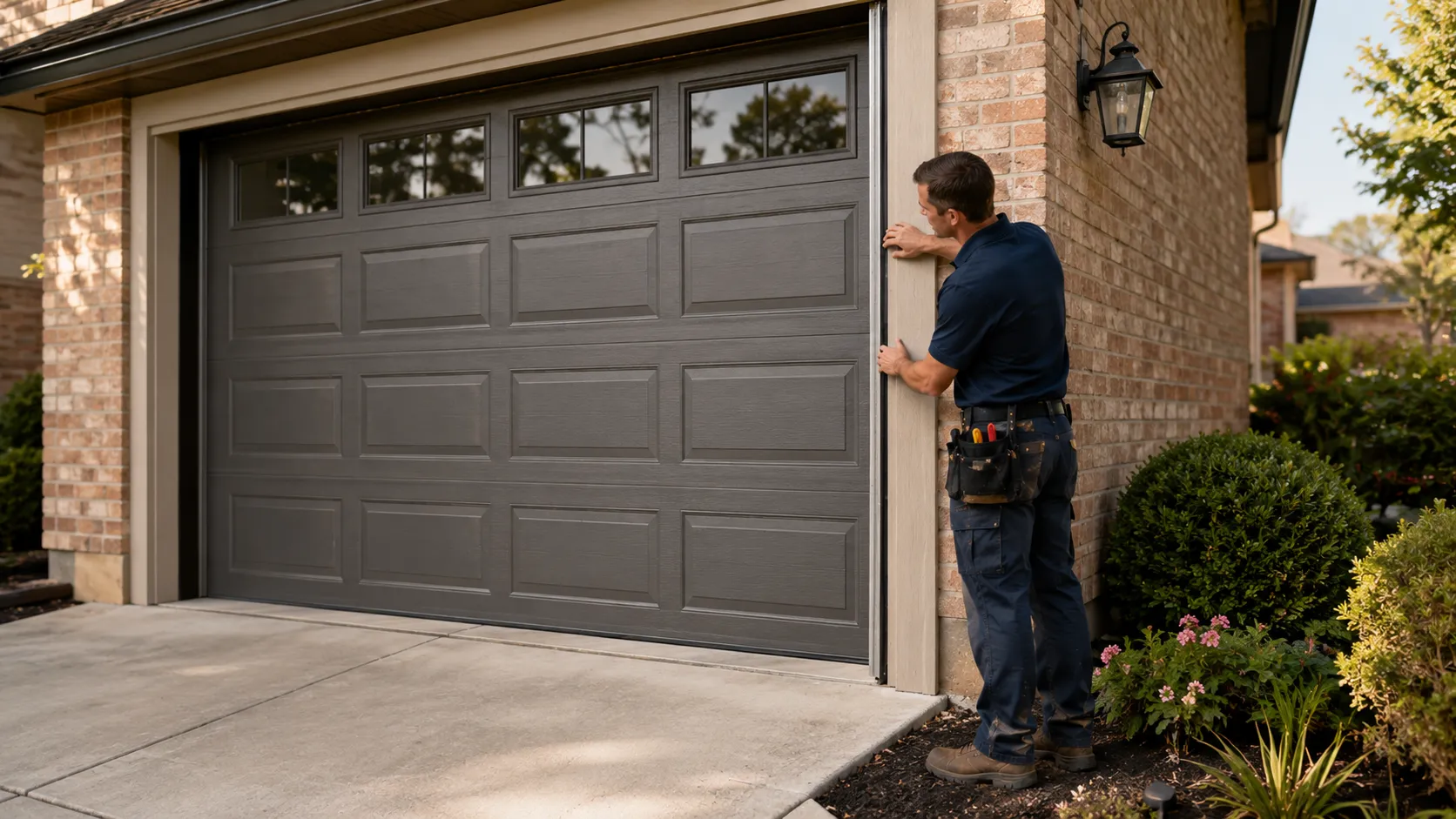
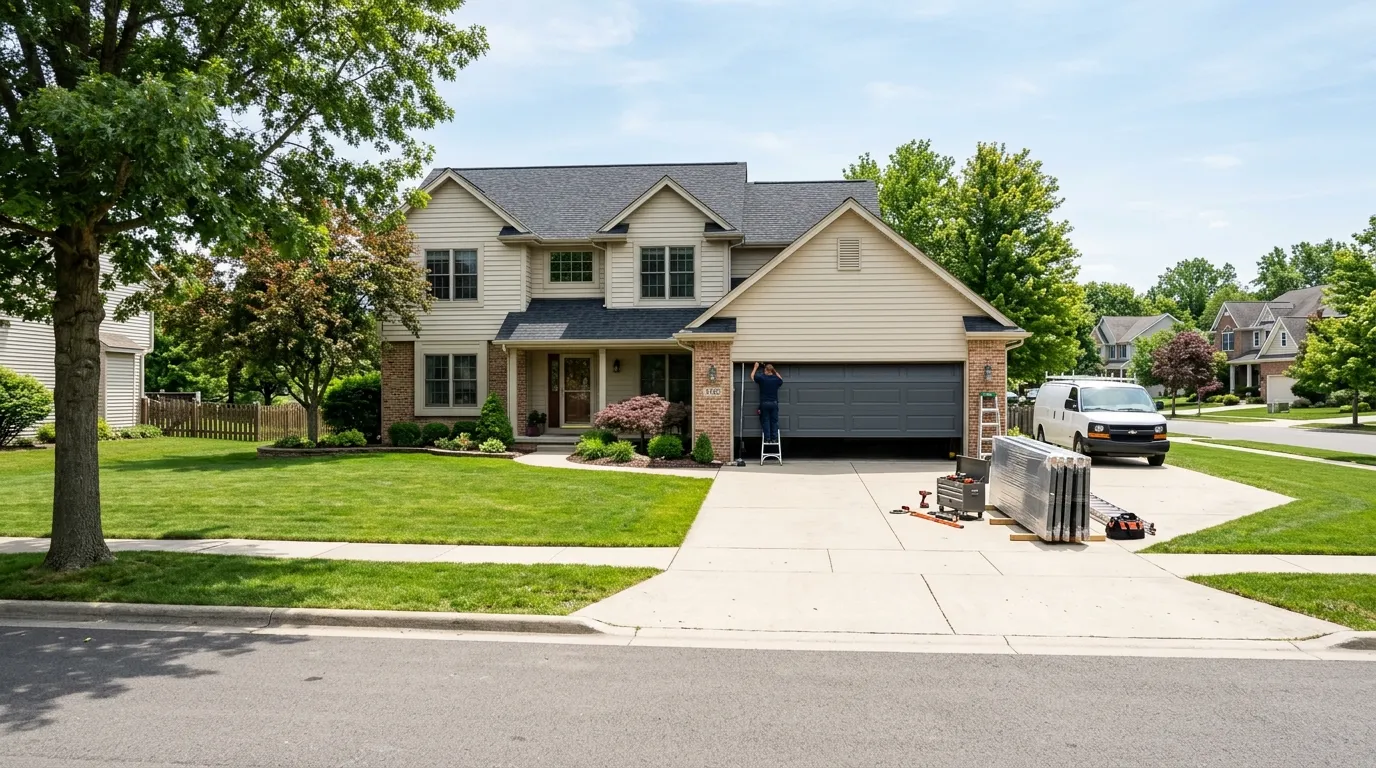
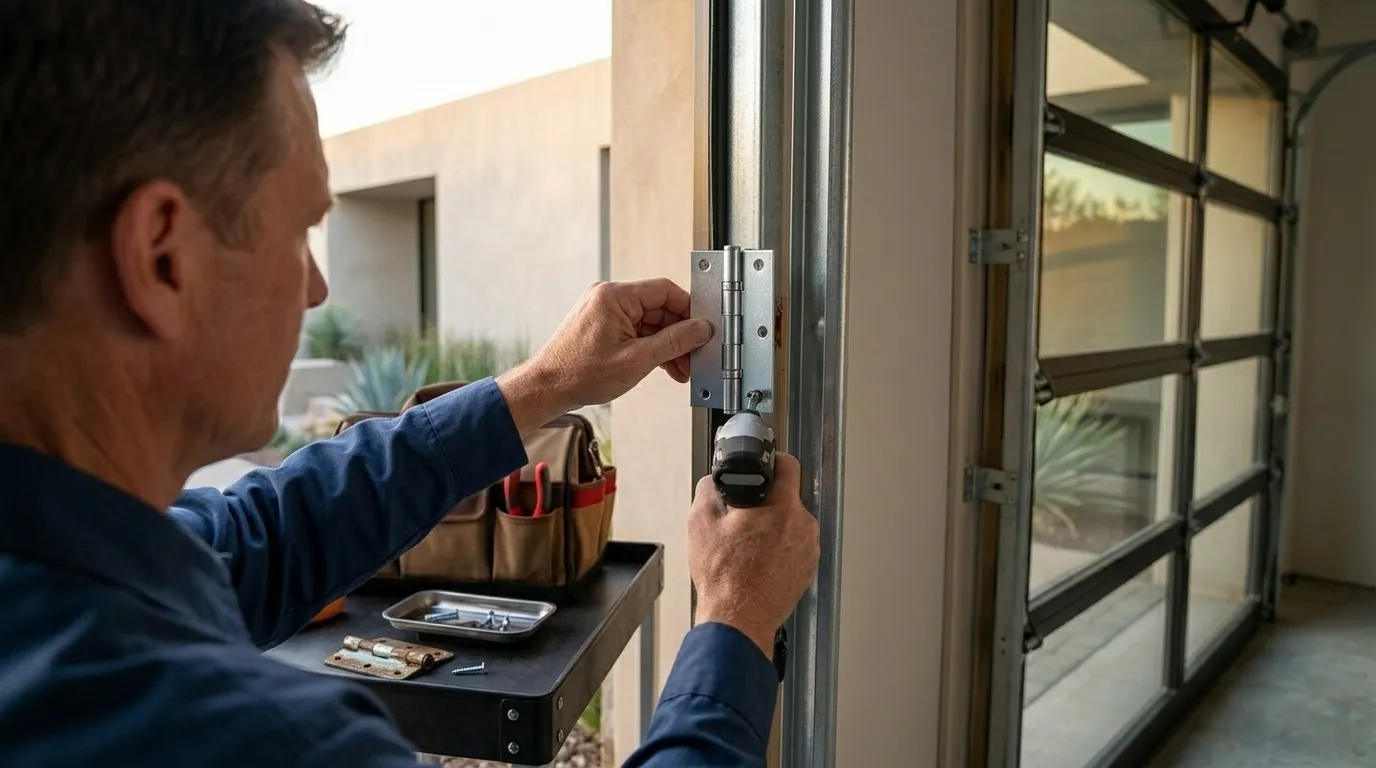
Serving Arvada homes built 1938-2010, from Olde Town to Ralston Valley. We diagnose spring, opener, and track failures tied to this area's housing stock and cold winters.
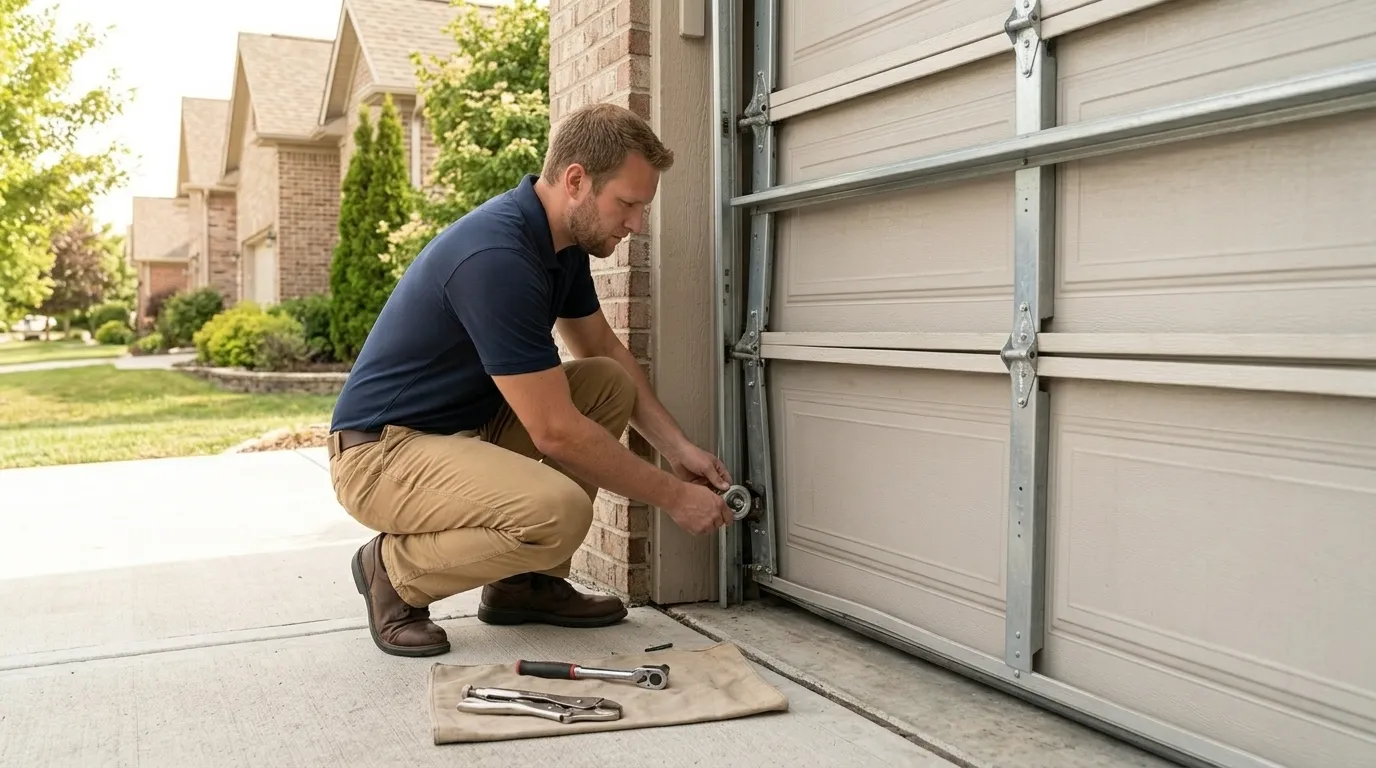
Most of the housing stock in and around Arvada went up between 1938 and 2010, with the median build year landing around 1977, and a heavy concentration of 1960s and 70s construction spread across the 38 named areas we work in, from Olde Town Arvada to Ralston Valley and out toward Northwest Arvada. That era of construction used lighter-gauge torsion springs and steel tracks that weren't built for 45+ years of Colorado winters. Add in a cold-severe climate band with hard freeze-thaw cycles, and you get metal fatigue that shows up faster here than it would in a milder region. Springs lose tension unevenly, track bolts back out of framing that's shrunk and swollen for decades, and openers original to a 1970s build are long past any reasonable service life. We see this pattern block after block: a house built in the Ralston Valley or Northwest Arvada boom years, original hardware never touched, and a spring that finally lets go on a January morning when the metal is coldest and least forgiving. It's not bad luck. It's the age of the door meeting the age of the winter.
The Complications
A cold-severe climate does more than crack springs. Steel contracts in deep cold, which changes the working tolerance on tracks and rollers that were aligned decades ago under different conditions. On older Arvada houses, that shows up as a door that binds on one side, rollers that jump the track, or a torsion bar that groans instead of turning smoothly. We also run into openers wired for hardware that no longer matches the door in front of us, because a panel or spring got swapped out at some point without touching the rest of the system. That mismatch is common in a housing stock this old, and it means a repair sometimes needs to address two problems instead of one. We won't sell you a full opener replacement if the fix is a $40 sensor and a re-alignment, but we also won't tell you a torsion spring is fine when the coil count and cable wear say otherwise. Honest diagnosis matters more here than it would with a newer door, because a misdiagnosed fix on 1970s hardware tends to fail again within a season, not within a decade.
The DIY Question
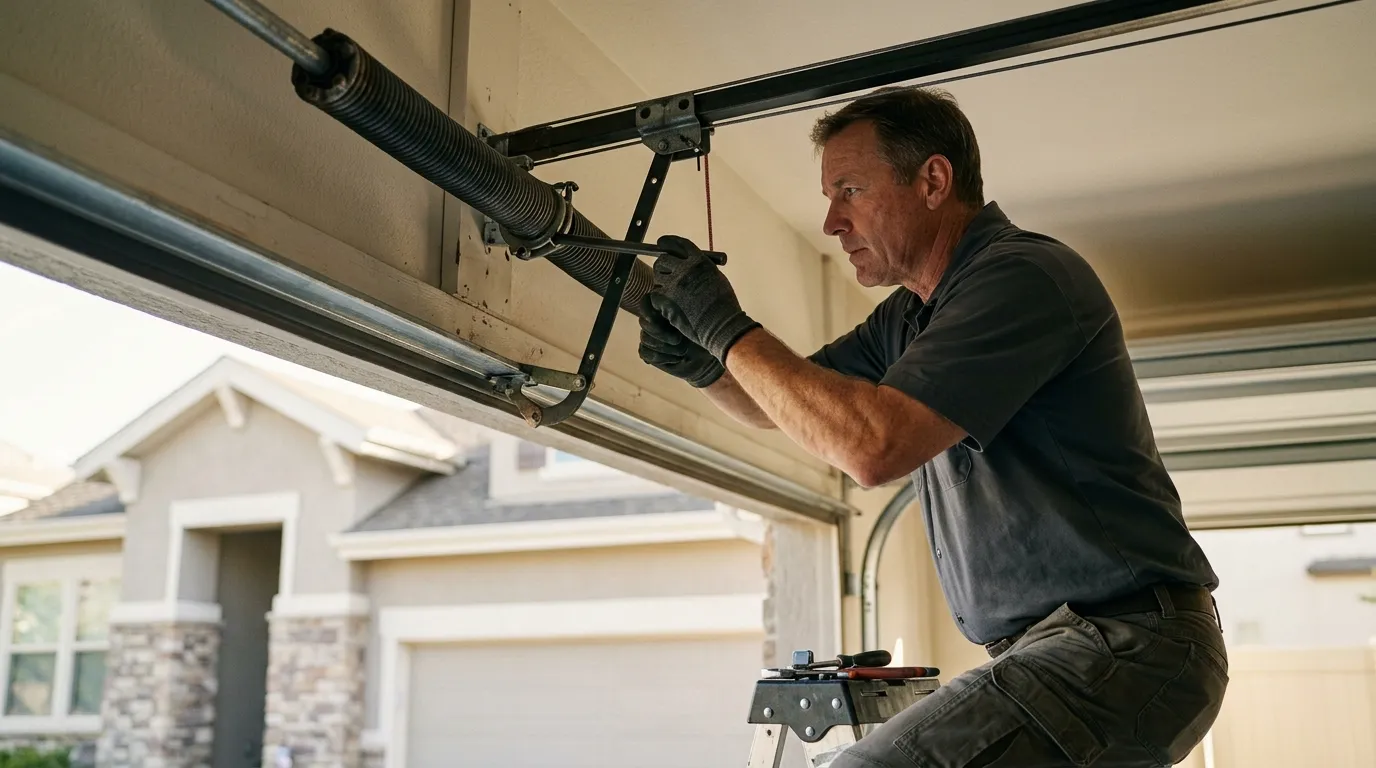
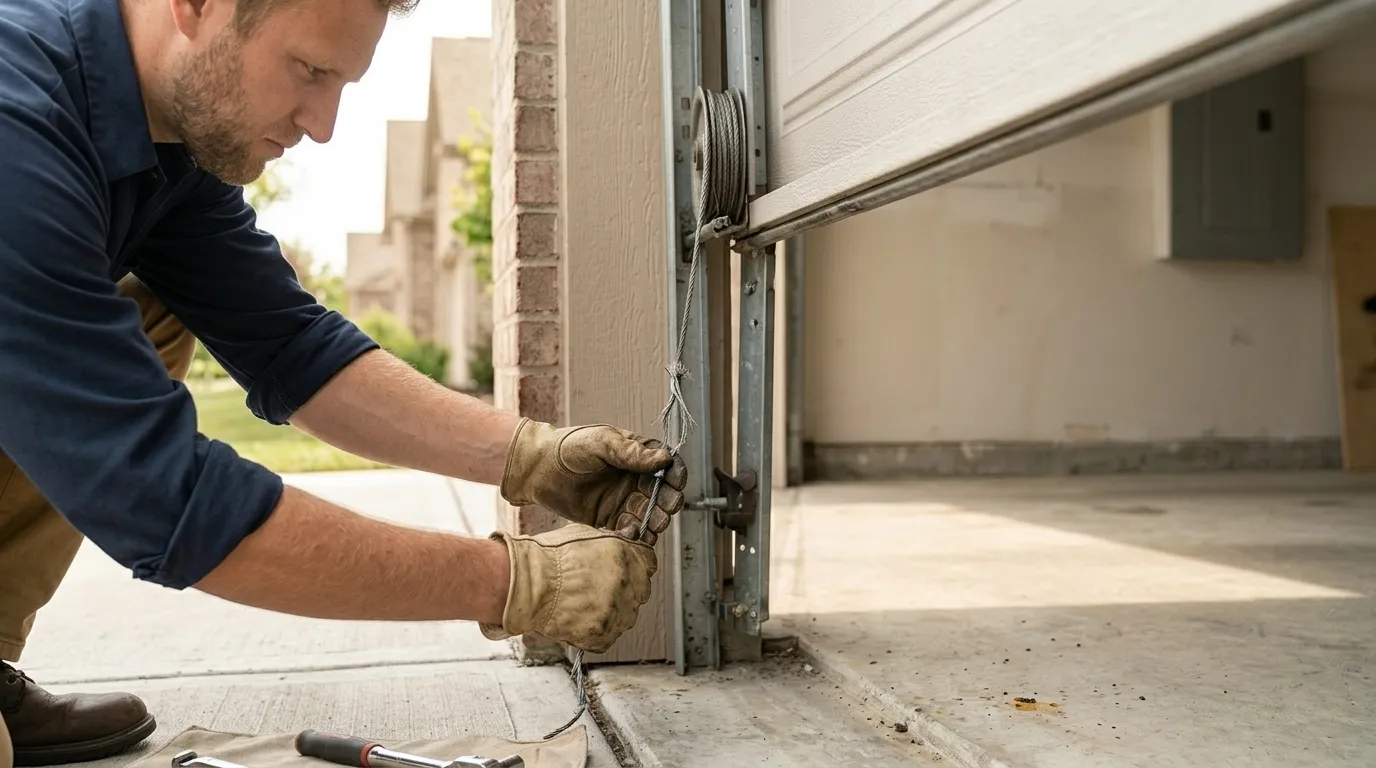
A torsion spring under tension can put someone in the hospital, and that's true whether the door is five years old or fifty. On the older doors common across this area, the risk is worse: the spring may have already stretched or corroded unevenly, so it doesn't release the way a textbook spring would. If you're dealing with a door that won't open, a cable that's frayed, or a spring that's visibly separated, that's a call, not a project. What you can reasonably check yourself: the track for visible dents or gaps, the weatherstripping at the bottom panel for cracking (common after enough freeze-thaw cycles), and whether the opener's safety sensors are aligned and clean. If the door reverses randomly or won't close all the way, that's often a $20 fix you can do with a rag and five minutes. Past that, especially anything involving the spring, the cable, or the torsion bar, it's not worth the risk to save a service call.
The Symptom
The most common call we get from owners in this area is a door that's suddenly heavy, or one that won't budge at all, usually first thing on a cold morning. That's almost always a torsion spring that's lost tension or snapped outright, and it tracks directly with the age of the housing stock here. A door built for a house from the 1960s or 70s wasn't engineered with a 50-year spring life in mind, and the cold-severe winters common to this area accelerate the wear. Other symptoms worth naming: grinding or scraping when the door moves (usually a roller or track issue, not the opener), a door that opens but reverses immediately (sensor or track misalignment), and an opener that runs but the door doesn't move (a broken cable, more often than people expect on older setups). None of these get better with time. A spring that's lost partial tension puts more load on the opener motor, which then fails early too, turning a $200 fix into a $600 one.
How it works
From “it’s stuck” to “it’s fixed”
01
Tell us what’s wrong
Describe the symptom - won’t open, loud bang, opener runs but the door won’t move.
02
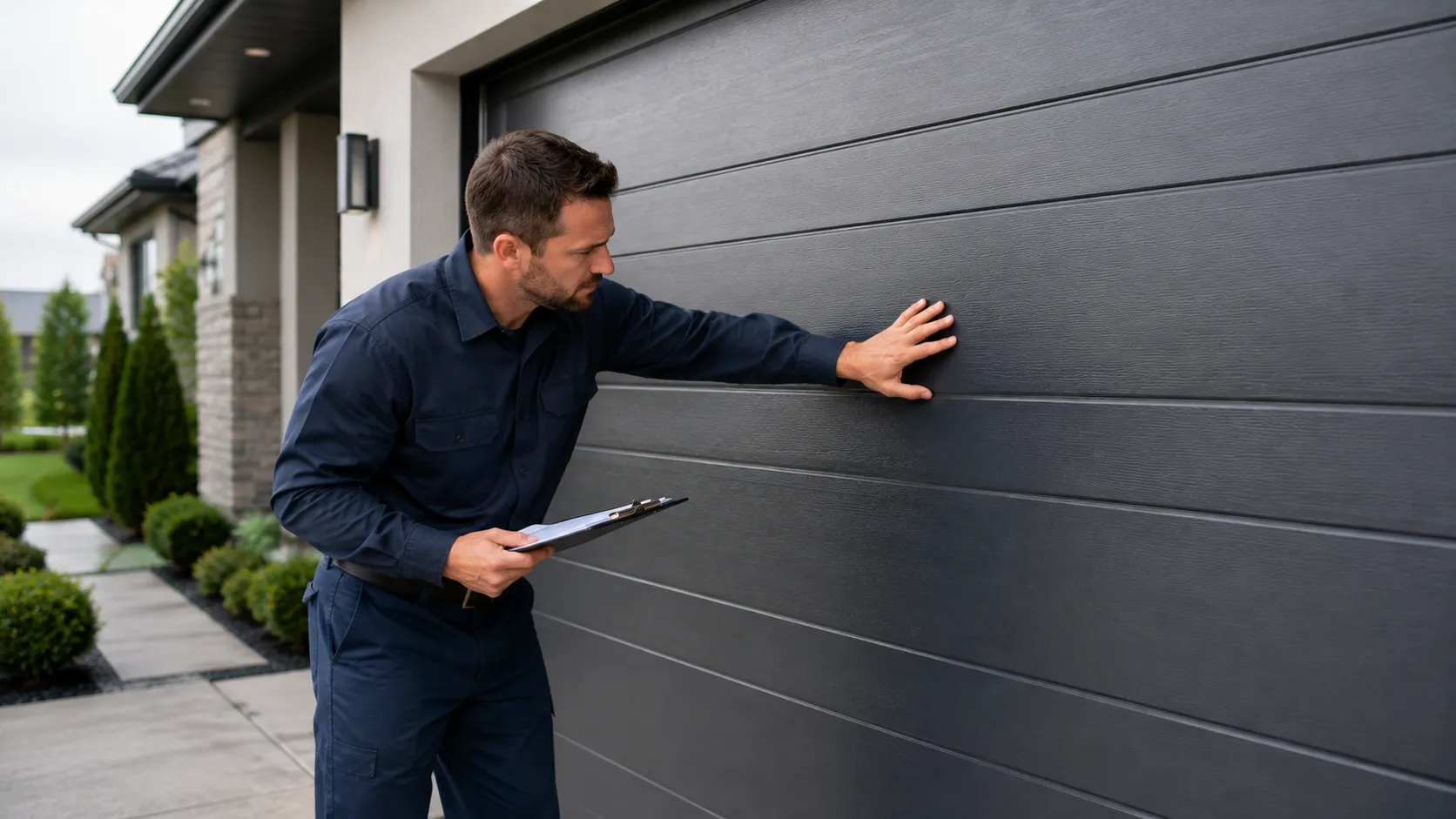
On-site diagnosis
A technician tests the door under power and by hand and finds what actually failed.
03
Clear, up-front plan
You get the fix that’s needed and what drives the cost - before any work starts.
04
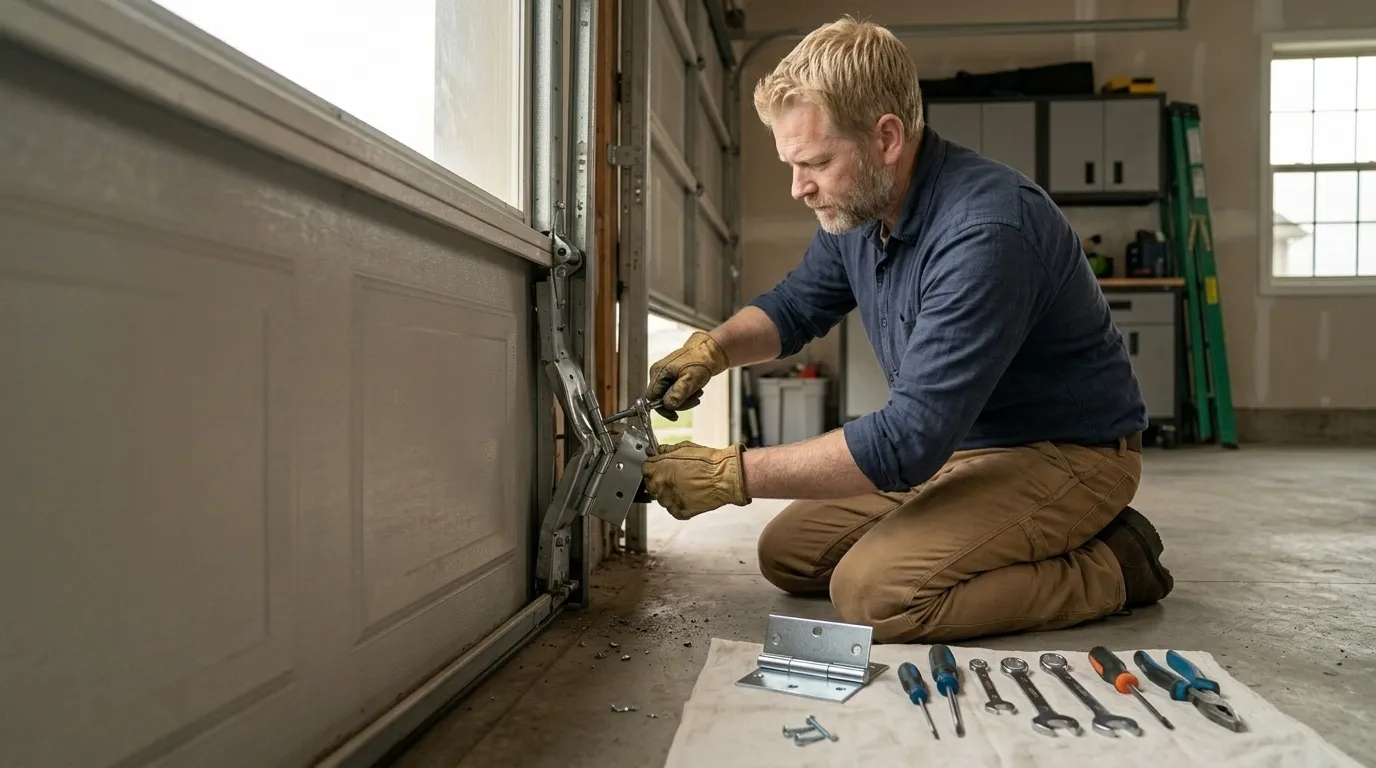
Repaired & tested
The repair is done, the door is set true and tested, and the work area left clean.
Serving Arvada, CO - tell us what your door’s doing and we’ll take it from there.
Straight answers about garage door repair in Arvada. Still unsure? Ask us directly.
Why do garage door springs fail more often in Arvada winters?
The cold-severe climate here means steel springs go through repeated freeze-thaw cycles that fatigue the metal faster than a milder climate would. Combined with a housing stock where the median home was built around 1977, a lot of original hardware is well past the point where spring failure becomes a matter of when, not if.
Is it worth repairing an original door from a 1960s or 70s Arvada home?
Often yes, if it's a spring, cable, or track issue on an otherwise sound door. Where it stops making sense is when the opener, panels, and hardware all need attention at once. At that point, the age of the system usually makes replacement the better dollar-for-dollar call.
What's the one thing homeowners get wrong about DIY garage door repair?
Assuming a torsion spring repair is like changing a tire. On hardware that's decades old, the spring may not release predictably even with the right tools. If the spring is broken, cracked, or visibly uneven, that's not a weekend project.