Garage Door Repair for Arvada's Older Housing Stock
Springs, openers, and tracks fail differently on Arvada's 1960s-70s stock than on newer builds. Local repair for torsion springs, rollers, and cold-stiffened openers.
Most of the houses we get called to in Arvada went up in the 1960s and 70s, with the broader mix running 1938 through 2010 and a median build year around 1977. That matters because a door built into a house that age was almost certainly fitted with a torsion spring system sized for a lighter, thinner steel door than what's often hanging on it now after a replacement decades back. When someone swaps in a heavier insulated door but never re-rates the spring, the spring works harder every cycle and fails years before it should.
On top of that, Arvada sits in a cold, severe winter climate band. Steel torsion springs lose some flex as temperatures drop, and the grease in an old bearing plate or center bracket thickens up. That combination - an aging spring set never matched to the door, plus a hard freeze cycle every winter - is why so many of our calls in neighborhoods like Ralston Valley, Northwest Arvada, and Olde Town Arvada are torsion spring failures on doors that are otherwise in decent shape. It's not bad luck. It's the age of the stock meeting the weather it sits in.
Newer builds out toward Superior or West Pleasant View don't show this pattern nearly as often, simply because the hardware inside them hasn't had 40-plus winters to fatigue.
The Complications
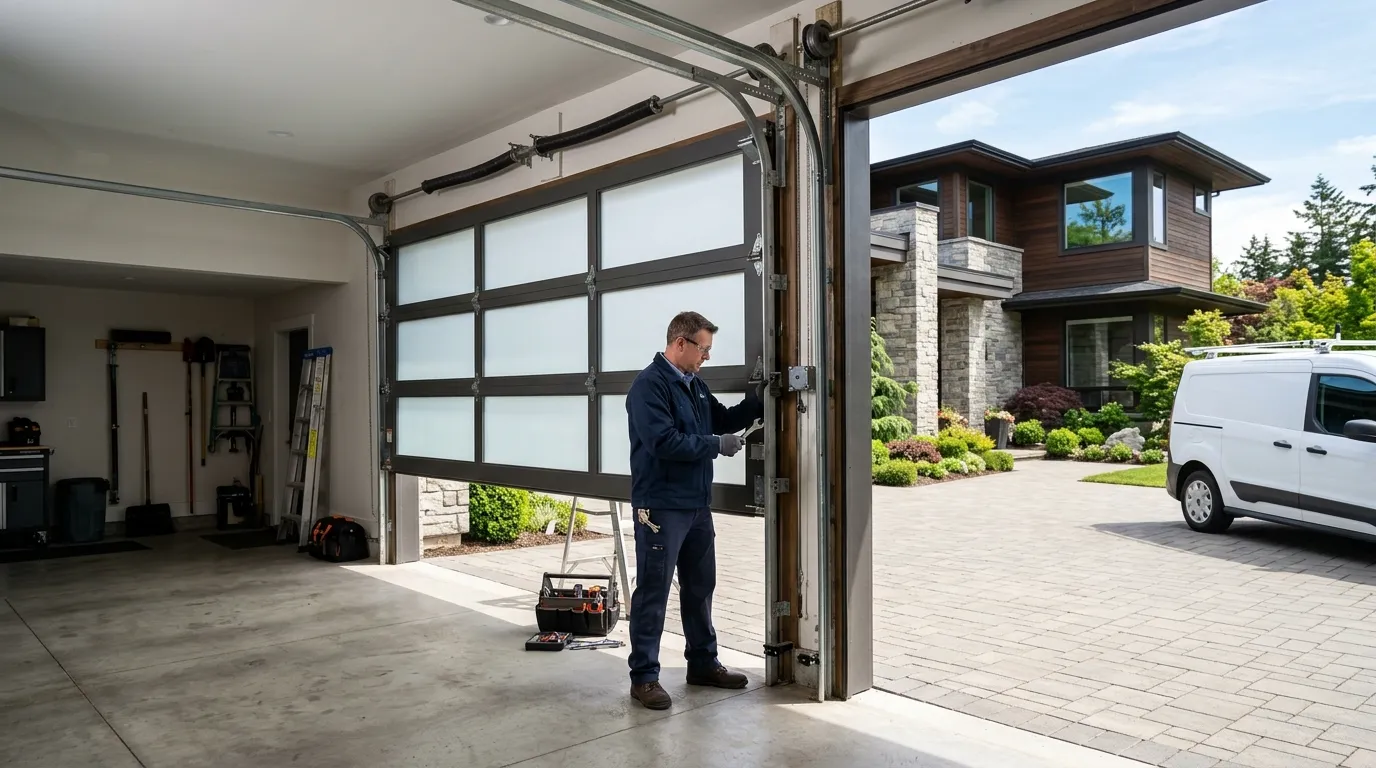
A broken torsion spring rarely travels alone in a house this age. Once we're up on the ladder in an older Arvada garage, we're commonly finding a second issue tied to the same root cause: cables stretched or frayed from years of a spring that was already under-sized doing extra work, or a center bearing worn oval instead of round because it was never lubricated through cold winters.
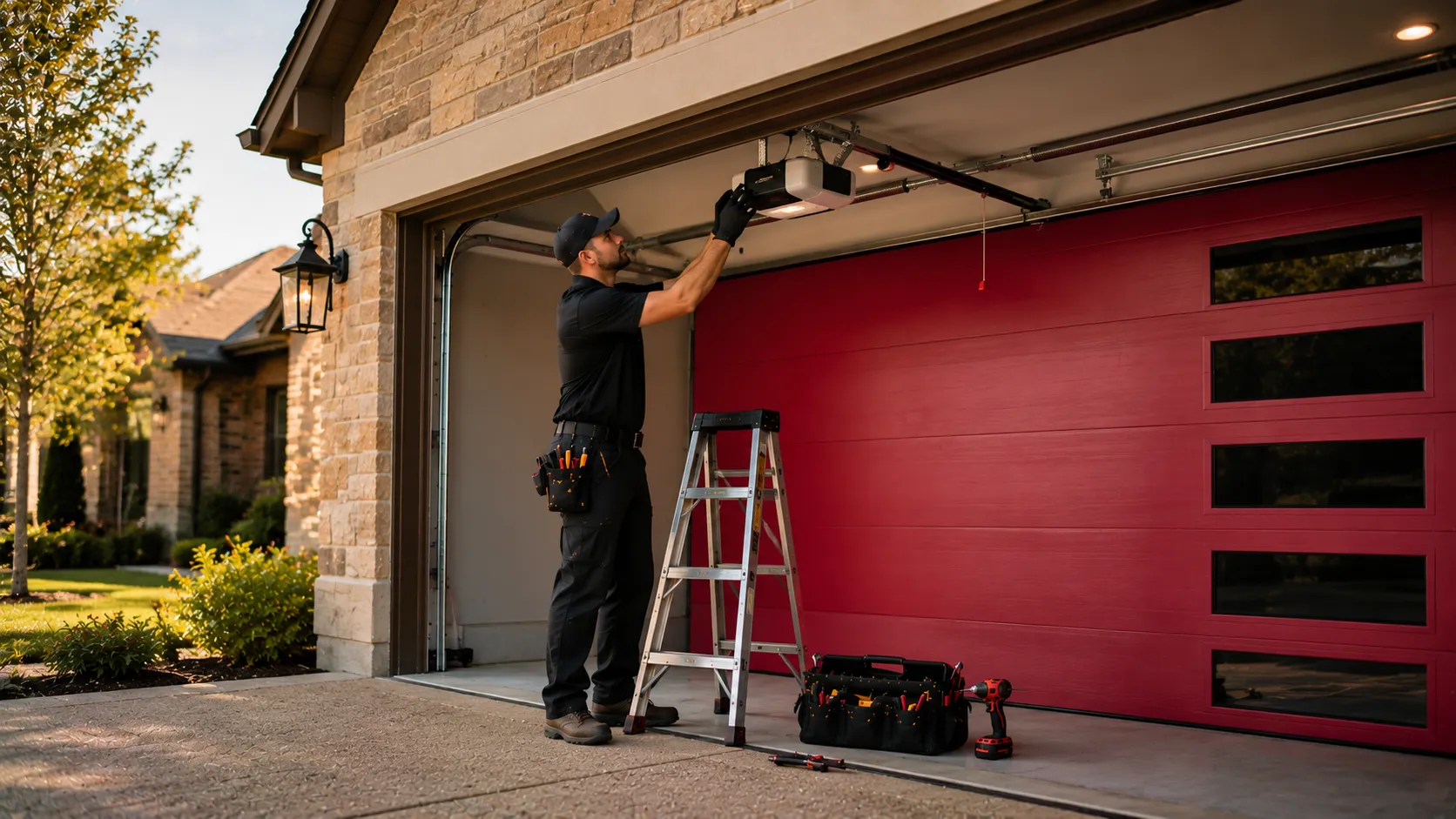
The complication that surprises people most is the opener side. A lot of these houses had their openers replaced once, sometime in the 1990s or 2000s, without anyone touching the spring underneath. That means the opener's force settings were calibrated to a spring that's since sagged from age and cold. The door still moves, but the opener is straining to make up for a spring that's lost tension - and that strain shows up as a stripped gear or a burned-out motor a season or two later, not as an obvious spring problem up front.
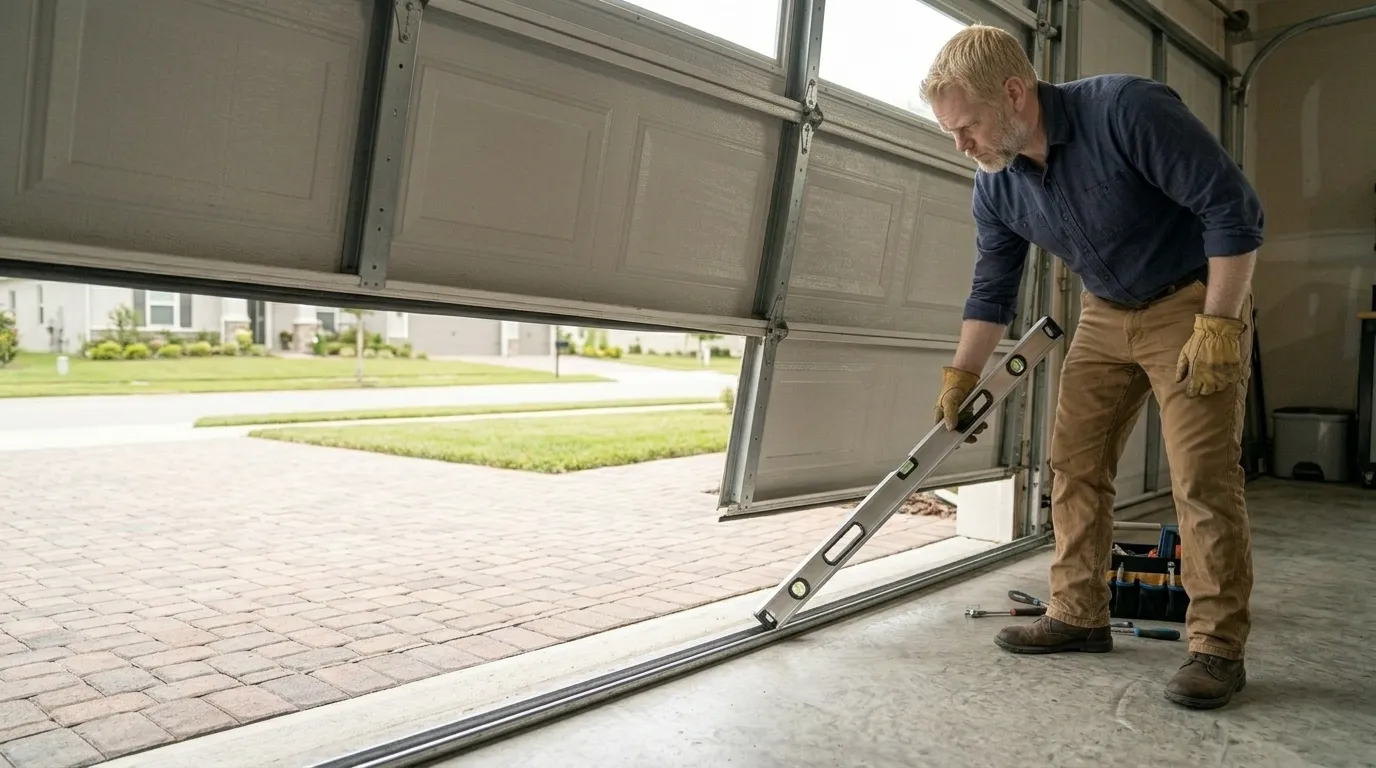
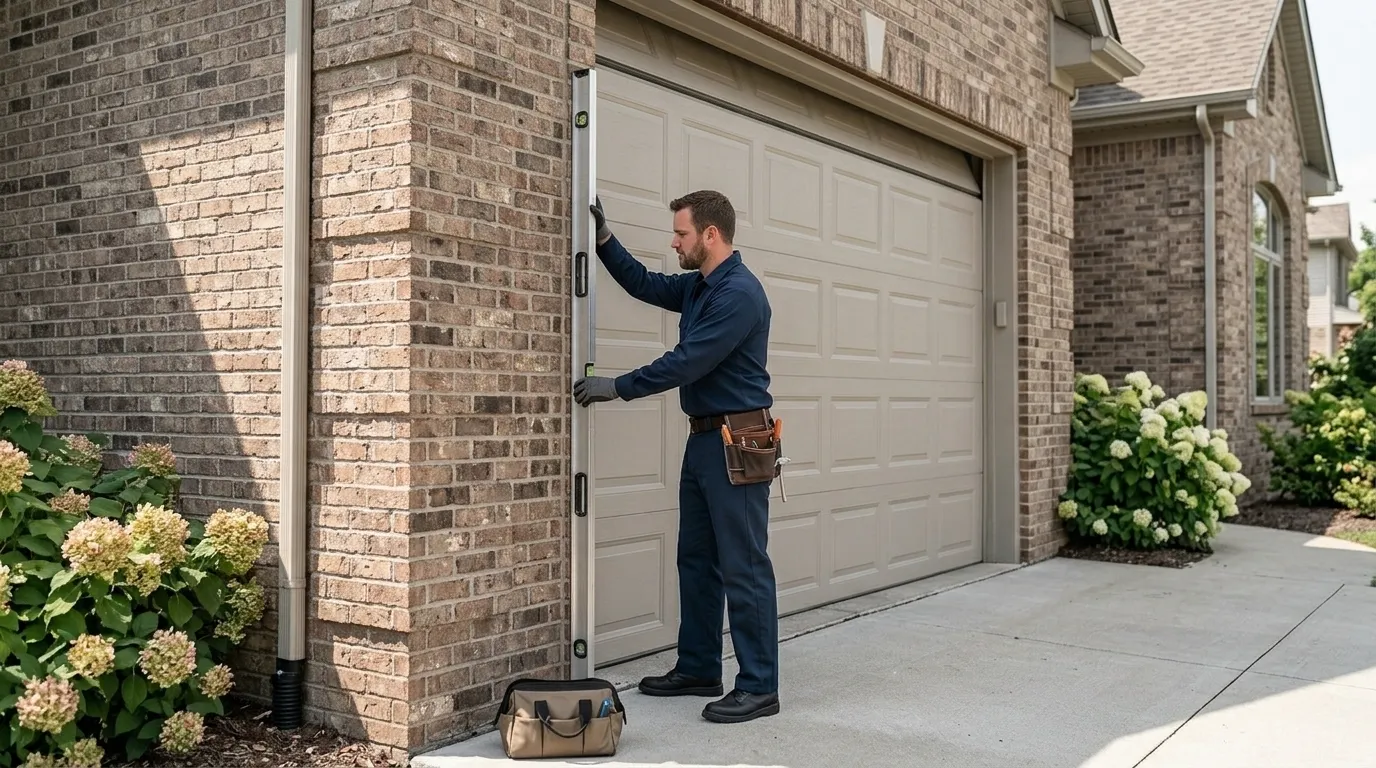
We've also seen this in Applewood Villages and Fruitdale: a track that was true when the house was built is now slightly bowed from decades of freeze-thaw shift in the slab. That's a repair job in itself, separate from the spring, and it's easy to miss if you're only looking at what broke first.
The DIY Question
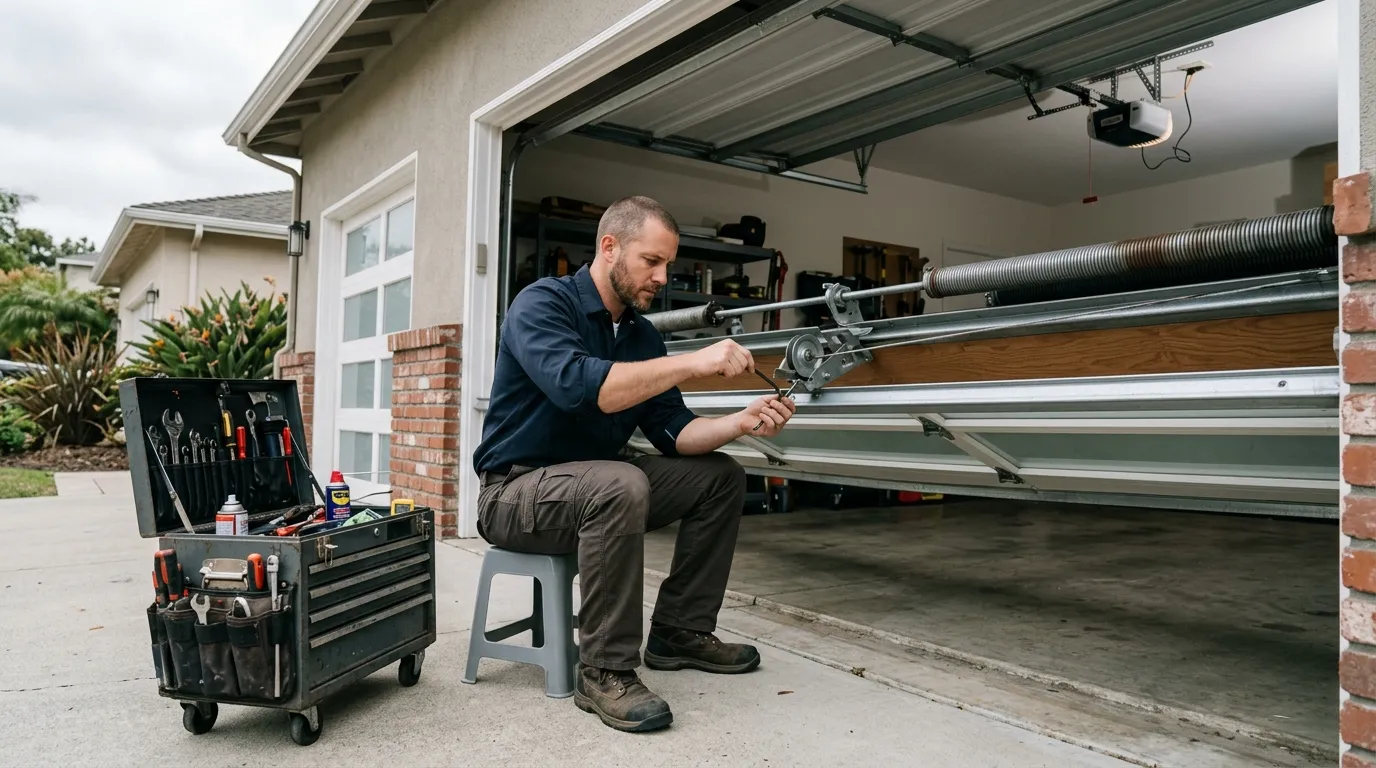
A torsion spring under tension can put someone in the hospital, and that doesn't change no matter how handy you are. We don't recommend anyone without the right bars and clamps touch a broken torsion spring, full stop - that's not a sales line, it's the actual risk profile of a coiled steel spring holding up 150+ pounds of door.
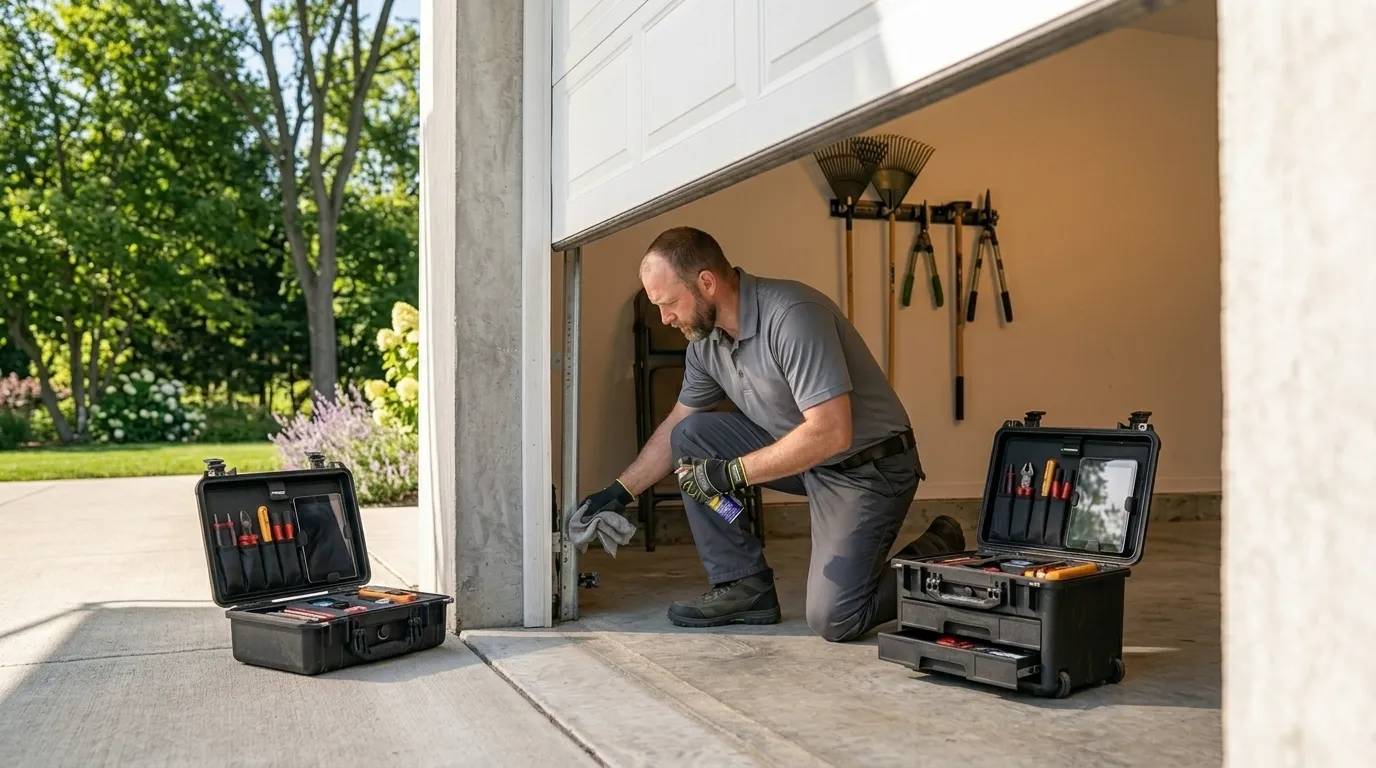
What you can reasonably check yourself: the rollers, for cracking or flat spots, and the bottom brackets, for rust that's common on doors that have sat through enough Front Range winters. If a roller looks chalky or square instead of round, that's a $10-a-piece part, and replacing a worn roller before it seizes is honestly a fine DIY job on a Saturday.
Where we draw the line is anything involving the spring, the cable drums, or the top fixture bracket. On the older hardware common through this area, those parts were often installed with methods that aren't standard anymore, and matching torque and wind count correctly takes the right tools, not just care. If your door is heavy and the spring is broken, that's a call, not a project.
The Symptom
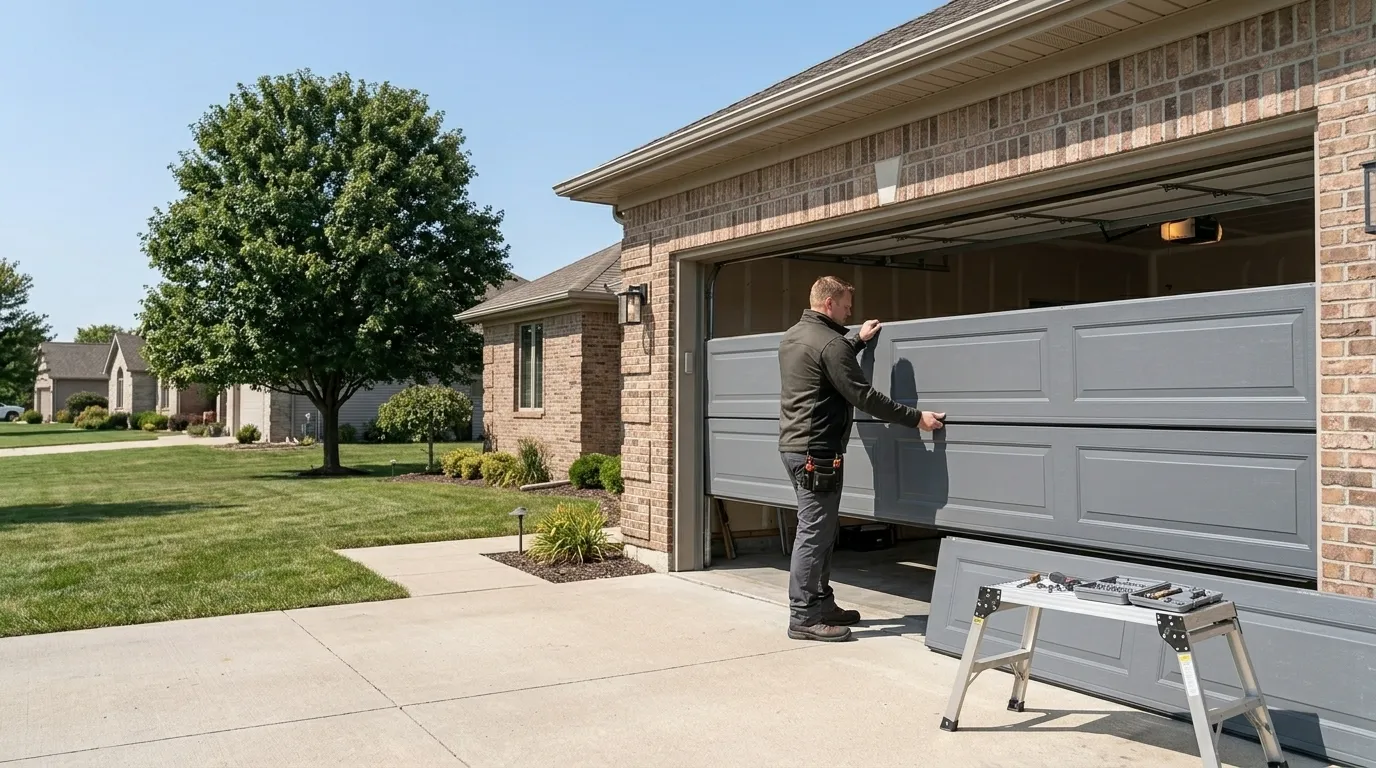
The symptom we hear most from Arvada owners is some version of "it worked fine yesterday and now it won't lift, and I can hear a bang." That bang is almost always the torsion spring letting go. It's loud, it happens fast, and the door will feel like dead weight afterward because the spring was doing most of the lifting work, not the opener.
A slower symptom, more common on the older stock across neighborhoods like Northwood Acres and Allendale Area, is a door that starts sagging on one side over a few weeks. That's usually a cable stretching unevenly or a spring losing tension gradually rather than snapping outright - and it's worth a call before it does snap, since a controlled repair is cheaper and safer than an emergency one.
If your opener is straining, reversing partway up, or making a grinding noise before the door moves at all, that's the opener compensating for spring wear we talked about above - worth checking before the motor itself goes.
How it works
From “it’s stuck” to “it’s fixed”
01
Tell us what’s wrong
Describe the symptom - won’t open, loud bang, opener runs but the door won’t move.
02
On-site diagnosis
A technician tests the door under power and by hand and finds what actually failed.
03
Clear, up-front plan
You get the fix that’s needed and what drives the cost - before any work starts.
04
Repaired & tested
The repair is done, the door is set true and tested, and the work area left clean.
Serving Arvada, CO - tell us what your door’s doing and we’ll take it from there.
Straight answers about garage door repair in Arvada. Still unsure? Ask us directly.
Why do so many Arvada garage doors fail with a torsion spring, not the opener?
Given how much of Arvada's housing dates to the 1960s and 70s, the springs in a lot of these garages are old, and cold winters stiffen steel and thicken bearing grease. The spring is doing the heavy lifting on every door, so it's the part that wears out and fails first, often loudly.
Is it normal for my door to feel heavier in winter?
Yes. In a cold, severe winter climate like ours, torsion springs lose a bit of flex as temperatures drop, and old bearing plates stiffen with thickened grease. A door that lifts fine in summer can feel noticeably heavier on a cold January morning even with no new damage.
Can I replace a torsion spring myself?
We don't recommend it. A wound torsion spring holds enough stored force to cause serious injury, and the tools for safe winding and unwinding aren't something most homeowners have on hand. Rollers and minor hardware are fine DIY jobs; the spring itself isn't.
My opener strains but the door still moves - is that a spring problem?
Often, yes. On older houses where the opener was replaced more recently than the spring, the opener's force settings were set for a spring that has since lost tension from age and cold. The opener compensates by straining, which shortens its own life.