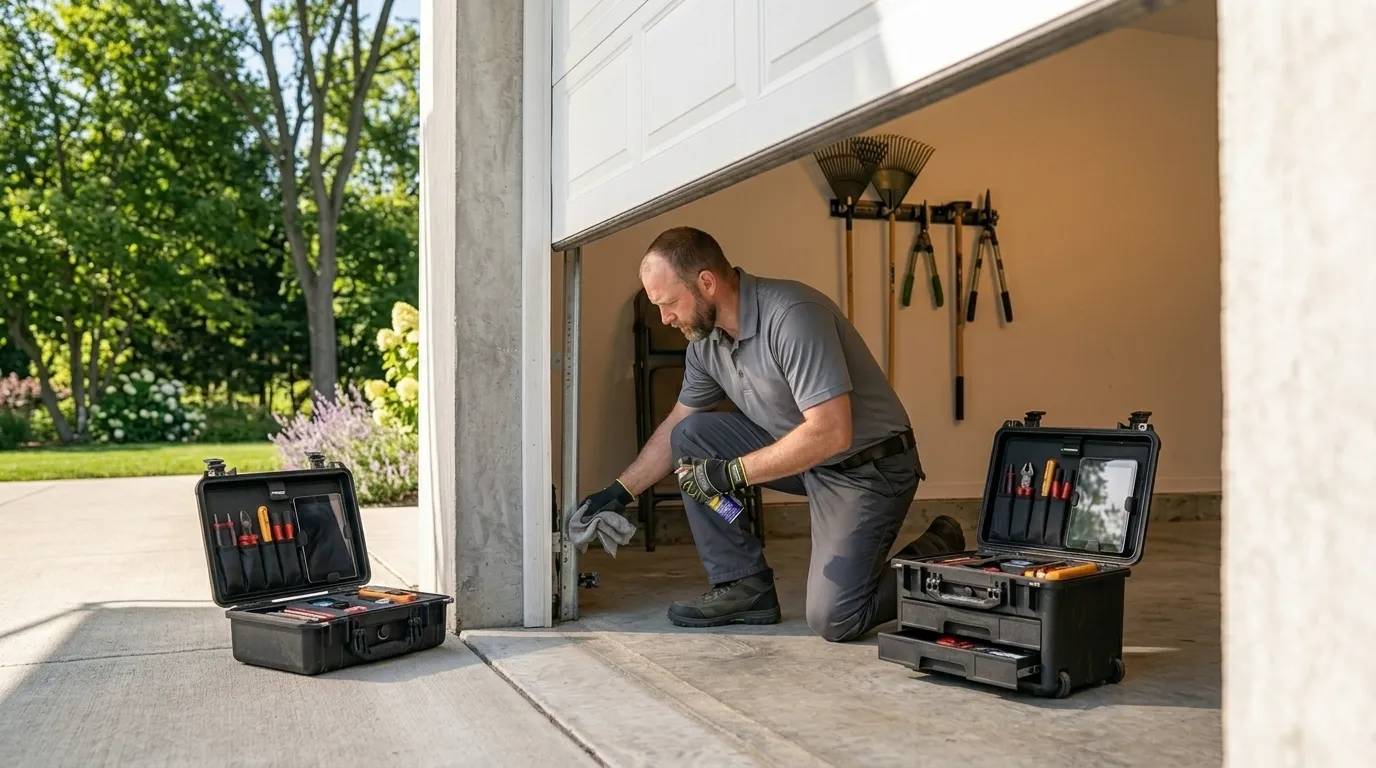
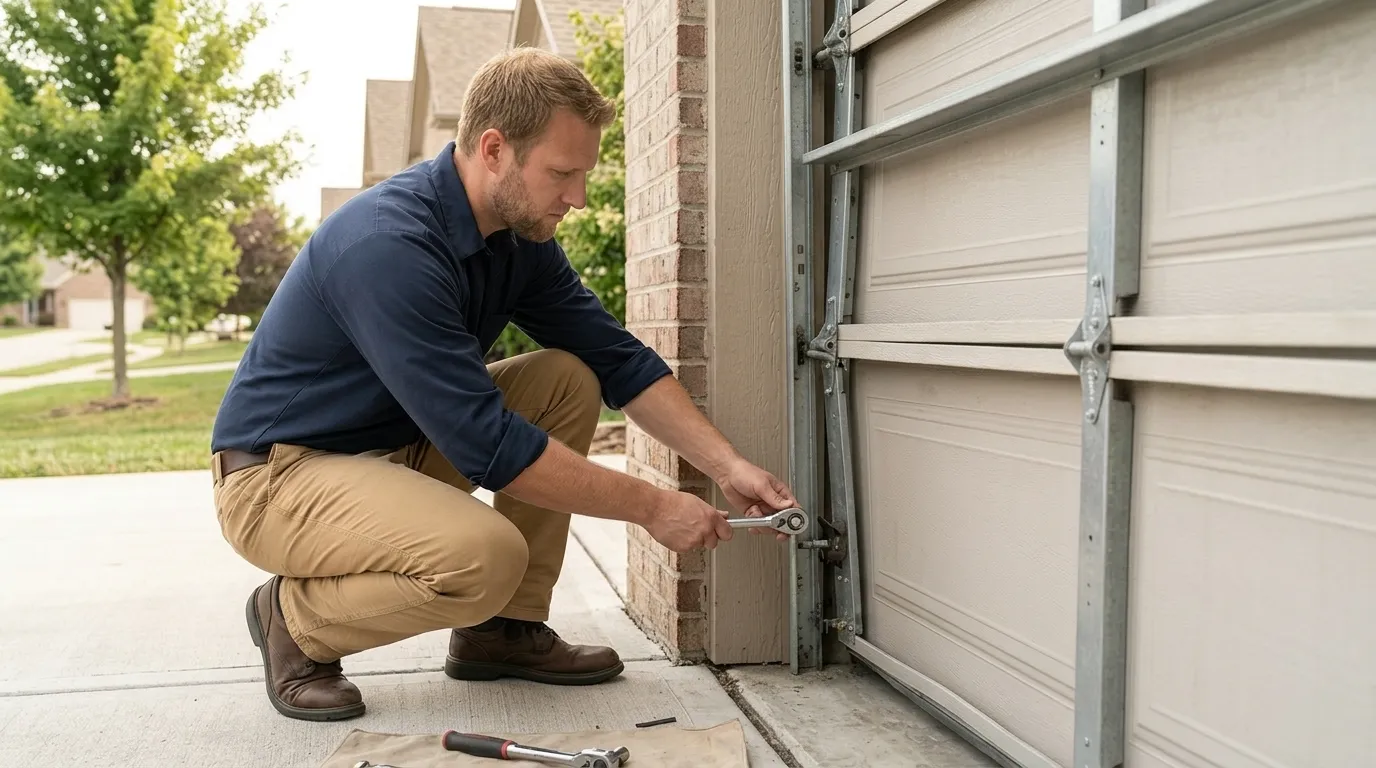
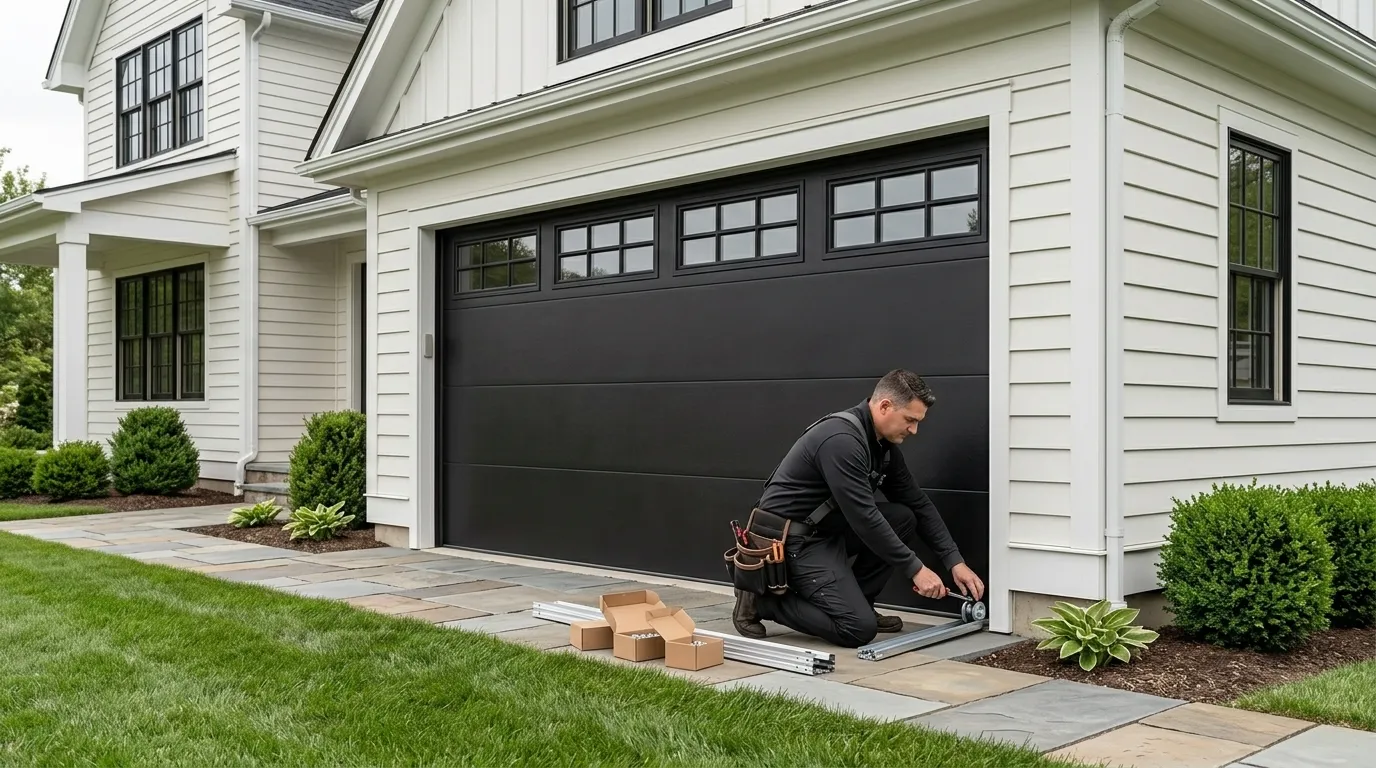
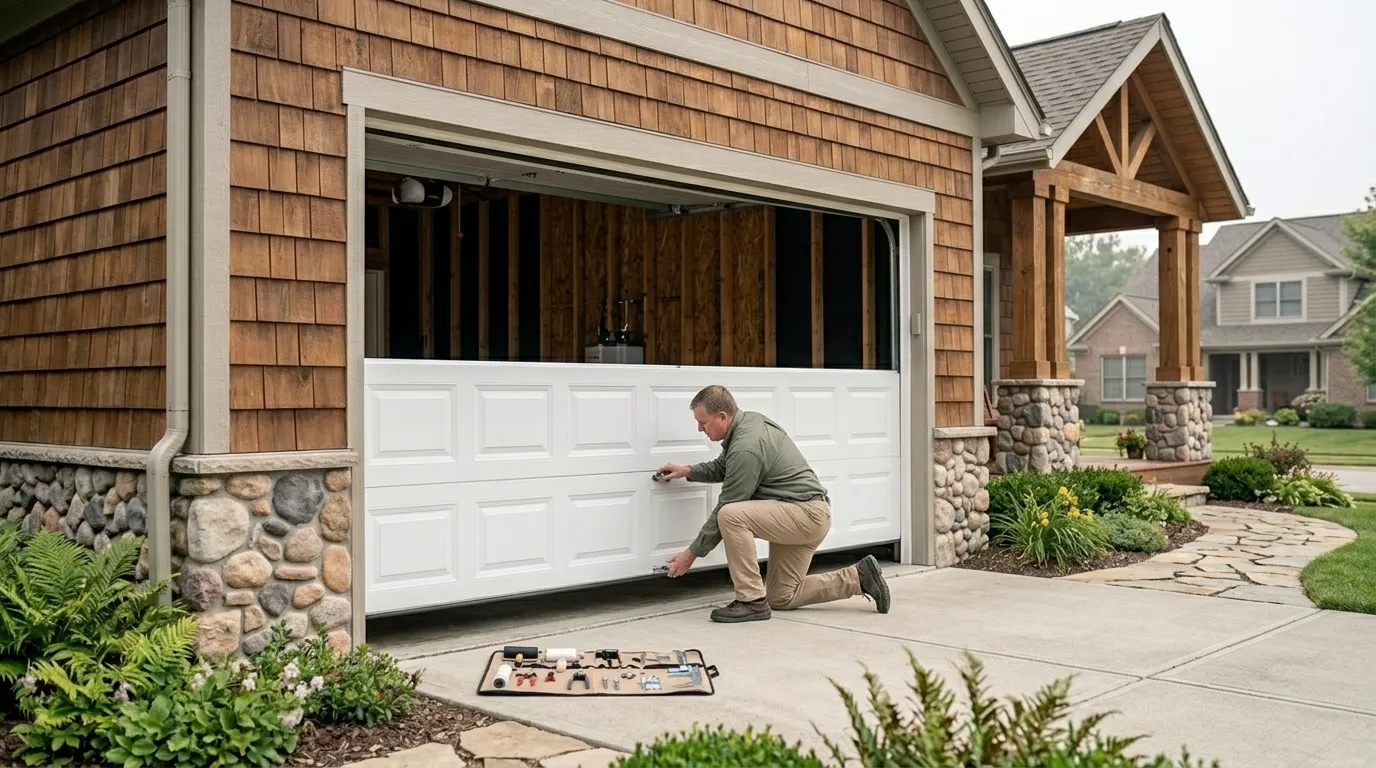
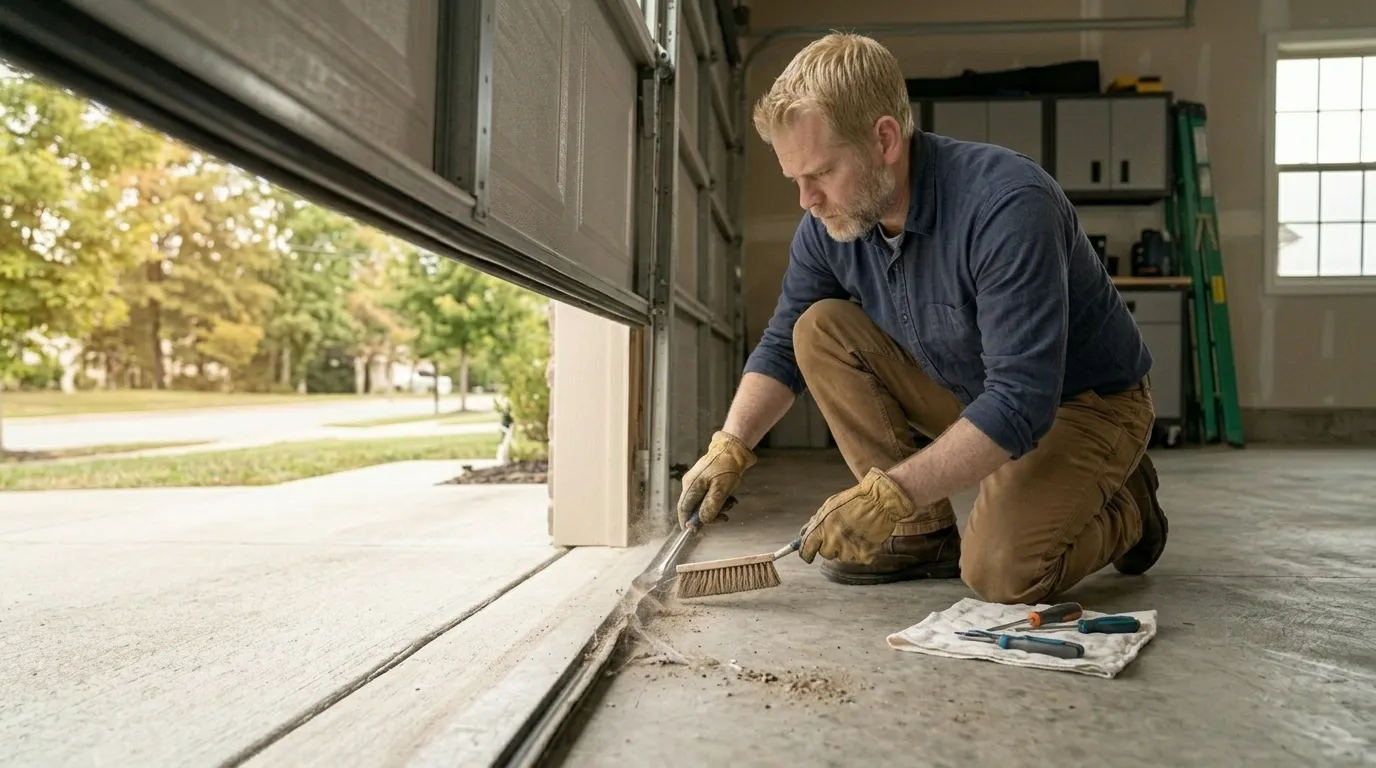
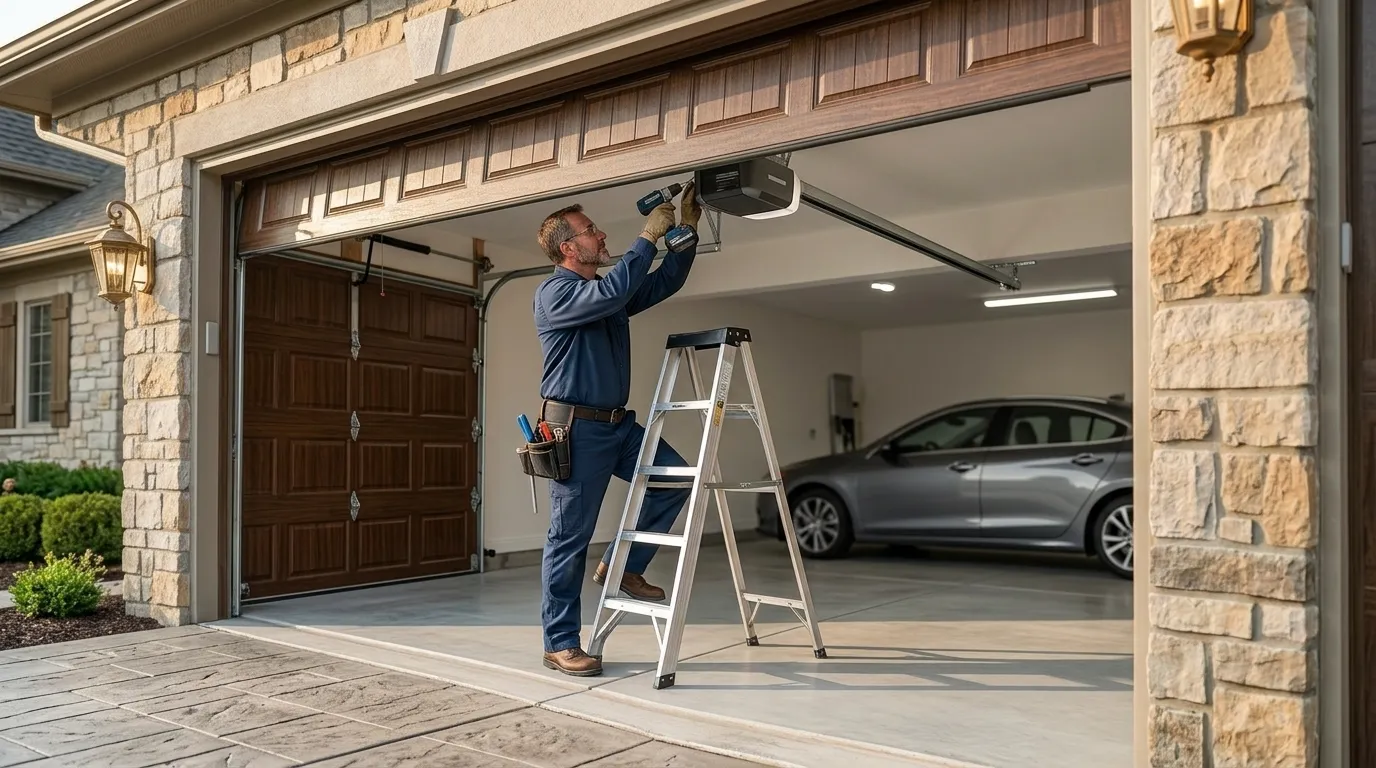
Homes in this stretch of Arvada were mostly built during the 1960s and 70s boom, and that shows up in the garages. You still see a lot of single-panel doors on extension springs, some retrofitted to torsion bar systems somewhere along the way, and openers that have been swapped out at least once since the original install. Two-car garages here are usually a single wide door rather than two separate bays, which matters when a spring goes - a wide door under one point of torsion puts more load on that shaft than a narrow one, and it fails differently.
Because the region sits in a cold, severe climate band, insulation and weatherstripping aren't cosmetic here. A door built in 1968 wasn't spec'd for the sealing standards we'd use today, so a lot of the calls in this area are less about a broken part and more about a door that's been letting cold air and moisture into the garage for decades. We see rust on tracks and hardware more often here than in newer construction nearby, just from age and freeze-thaw cycling on unsealed slabs.
We don't replace a whole door assembly when a spring or a section of track will do the job. If the door itself is sound, we fix what's broken and leave the rest alone.
What Is Built Here
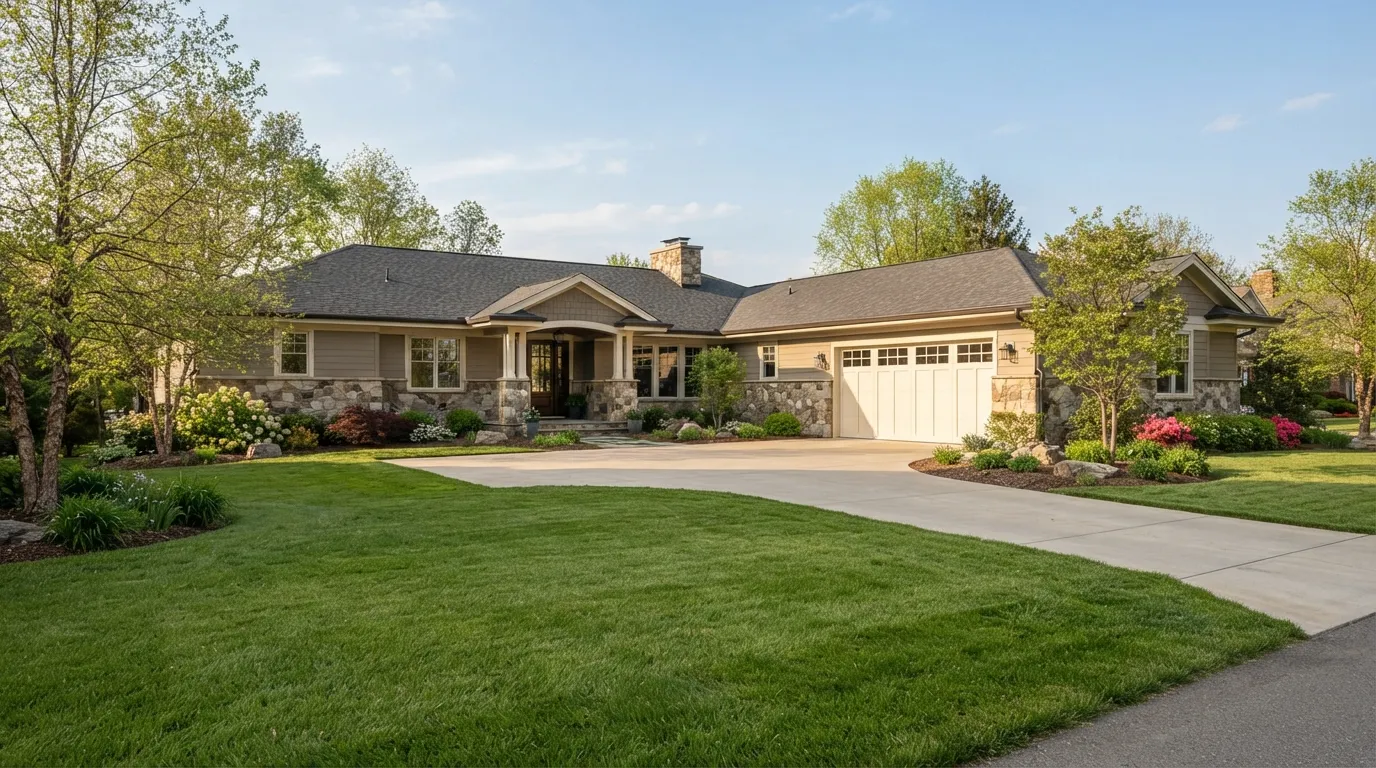
Across the wider service area, housing runs from 1938 up through 2010, with a median build year around 1977 - and this pocket of Arvada sits right in that older-stock band, dominated by 1960s and 70s construction. That's consistent with what we see on the ground: single-story ranches and split-levels with attached garages built to the codes and materials of that era, not to current ones.
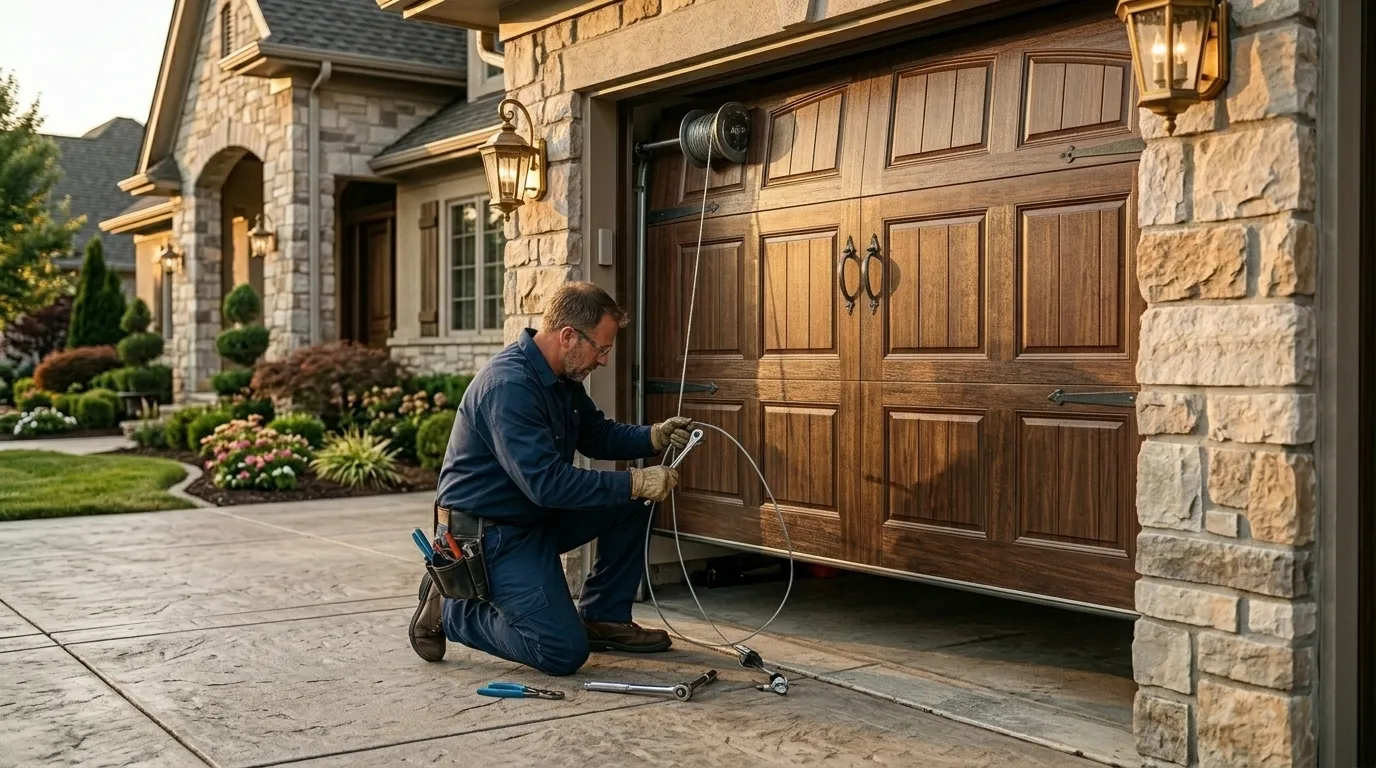
What that means practically: original hardware is aging out. Torsion springs on a 50-plus year cycle are well past any reasonable service life, even if they haven't snapped yet. Openers from that period, if they've never been replaced, predate modern auto-reverse safety requirements entirely. We're not saying every door here needs work - plenty have been maintained or upgraded over the years - but the base rate of an original, unmaintained setup is higher in a neighborhood like this than in something built in 2005.
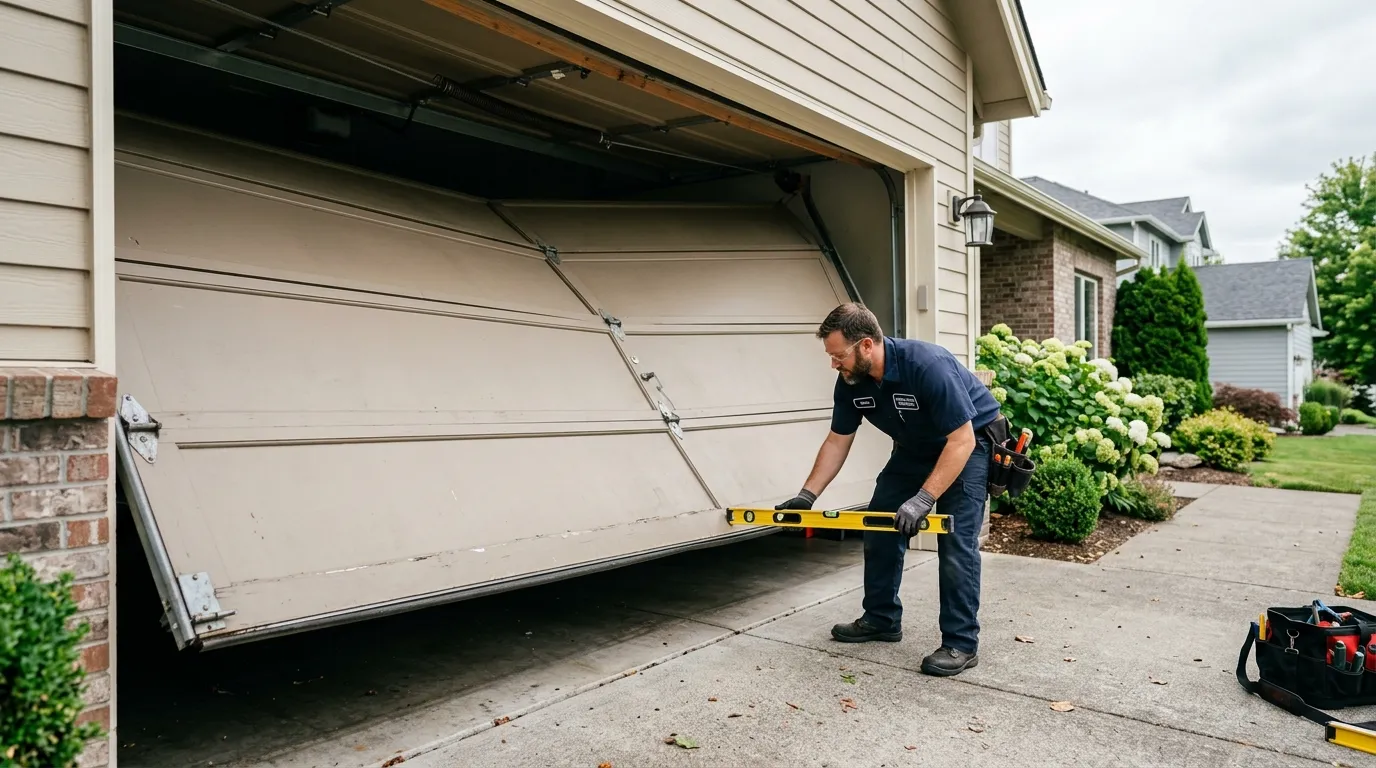
One limit worth naming: if a door frame has shifted with the house's settling, which happens more in older slab construction, sometimes the fix isn't a new spring - it's accepting that full frame and door replacement will outlast another round of patch repairs. We'll tell you which situation you're in before you spend money on the wrong one.
Where It Sits
South Westminster sits about 6 miles east of the Arvada center line, putting it on the eastern edge of the service area we cover out of that hub. West Westminster, about 3 miles northeast of Arvada's center, and West Central Westminster, roughly 5 miles east-northeast, both sit in the same general direction and share a lot of the same housing-era characteristics. Northwest Arvada, about 1 mile southeast of the Arvada center, is the closer-in neighbor on the way back toward town.
We don't have street-level landmarks to point to here, and we're not going to invent any - but the geography holds together: this is a neighborhood on the east side of Arvada's built-up core, closer to the Westminster line than to the older parts of town near the center. If you're trying to place it, think east edge, not downtown.
Arranging a Visit
We work across this side of Arvada and the surrounding named areas, including South Westminster. If you're dealing with a spring that's let go, a door that won't stay on track, or an opener that's stopped responding, get in touch through the site and we'll get details on the door - age, panel type, whether it's ever had hardware replaced - before we quote anything.
We don't carry every part on the truck for every era of door. Older torsion bar setups and some discontinued opener models sometimes mean a short wait on a part, and we'll tell you that up front rather than promise same-day when it isn't realistic for your specific door.
How it works
From “it’s stuck” to “it’s fixed”
01
Tell us what’s wrong
Describe the symptom - won’t open, loud bang, opener runs but the door won’t move.
02
On-site diagnosis
A technician tests the door under power and by hand and finds what actually failed.
03
Clear, up-front plan
You get the fix that’s needed and what drives the cost - before any work starts.
04
Repaired & tested
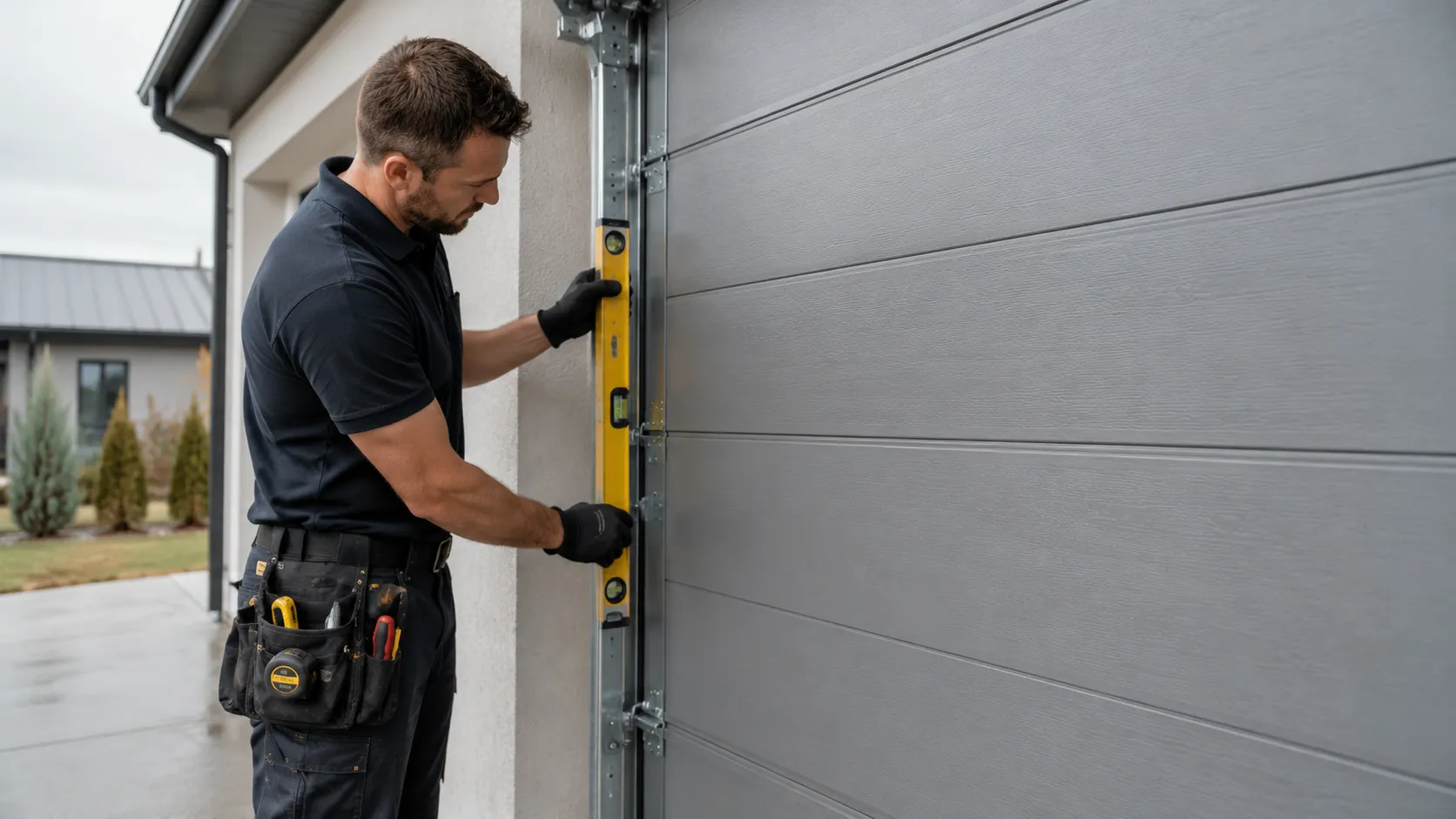
The repair is done, the door is set true and tested, and the work area left clean.
Serving Arvada, CO - tell us what your door’s doing and we’ll take it from there.
Straight answers about garage door repair in Arvada. Still unsure? Ask us directly.
Are garage doors in South Westminster usually original to the house?
A lot of them are, or close to it. Given the area's housing mostly went up in the 1960s and 70s, it's common to find original torsion or extension spring setups, sometimes with an opener that's been replaced once but hardware that hasn't. We check the actual hardware on site rather than assume based on the house's age alone.
Why does cold weather seem to cause more garage door problems here?
This area sits in a cold, severe climate band, and older doors from the 60s and 70s weren't sealed to today's standards. Freeze-thaw cycling stiffens lubricant, stresses metal springs, and works rust into tracks and hinges faster than in a mild climate. It's less about one bad storm and more about decades of seasonal wear.
Do you replace the whole door or just fix the broken part?
If the door panels and frame are sound, we fix the spring, cable, roller, or opener that failed and leave the rest. We only recommend full replacement when the frame has shifted or the door itself is too far gone to safely support new hardware - and we'll show you why before we suggest it.