Garage Door Installation Built for Arvada's Cold Winters
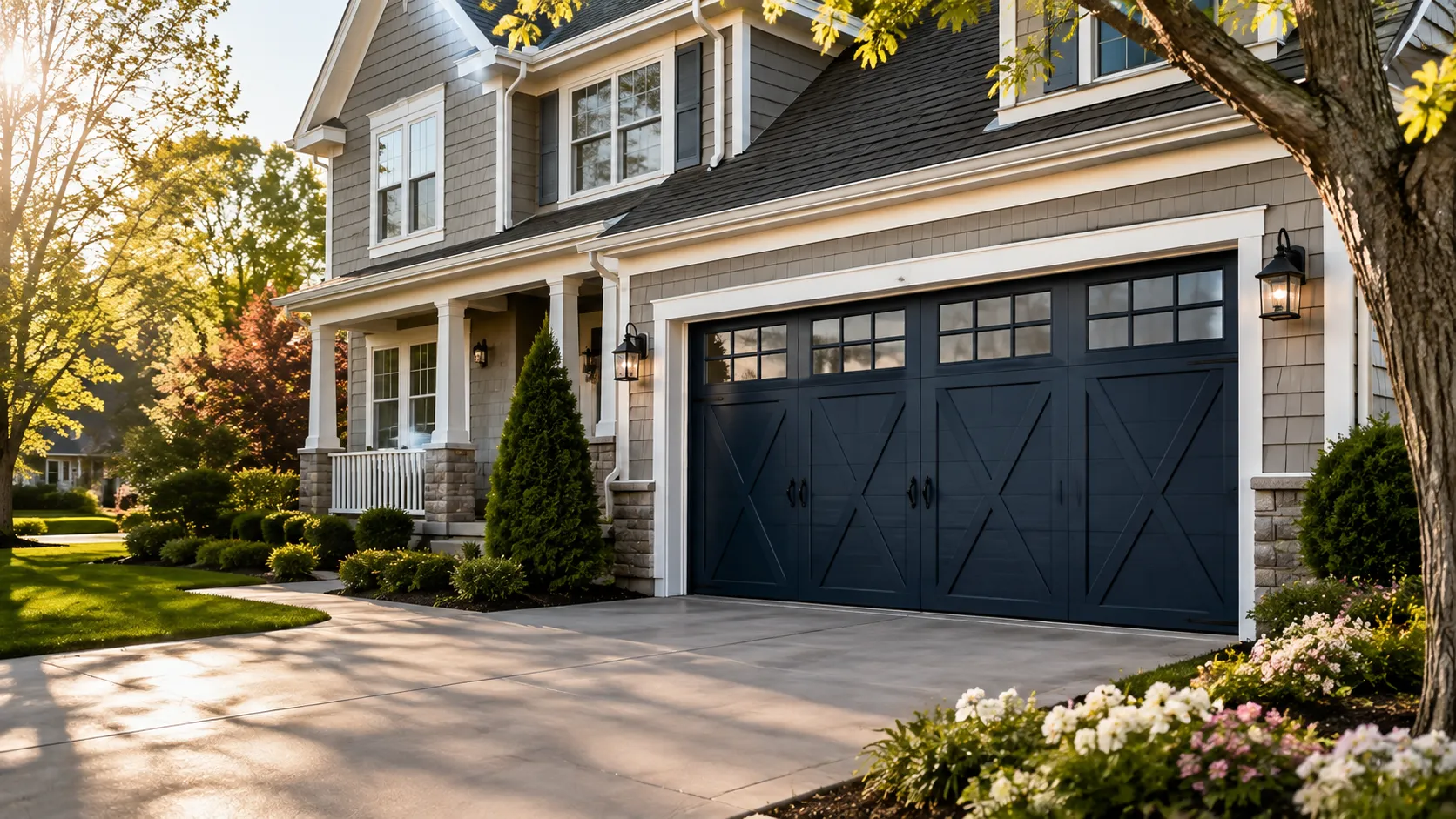
Original 1960s-70s Arvada doors weren't built for our winters. Arvada Garage Door Pros installs insulated, code-fit doors sized to your home's opening.
Arvada's housing runs from 1938 up through 2010, but the median build year lands at 1977, and most of what's actually out there - across neighborhoods like Ralston Valley, Northwest Arvada, and Olde Town Arvada - went up in the 1960s and 70s. Doors from that era are single-layer steel or plain wood, no insulation between you and the outside, hung on hardware sized for a lighter panel than what people replace them with today. Arvada sits in a cold-severe climate band. That combination - an uninsulated 50-year-old door skin and real winter cold - is why so many of these doors are due for full replacement rather than another patch job. The steel oxidizes from the inside out where condensation collects against bare metal, and older wood doors swell, warp, and stop sealing at the bottom long before the springs or opener give out. It isn't damage from one bad storm. It's fifty winters of freeze-thaw doing what freeze-thaw does to material that was never built to hold heat in the first place. When a door in this age bracket finally fails, it's usually the whole assembly, not one part.
The Complications
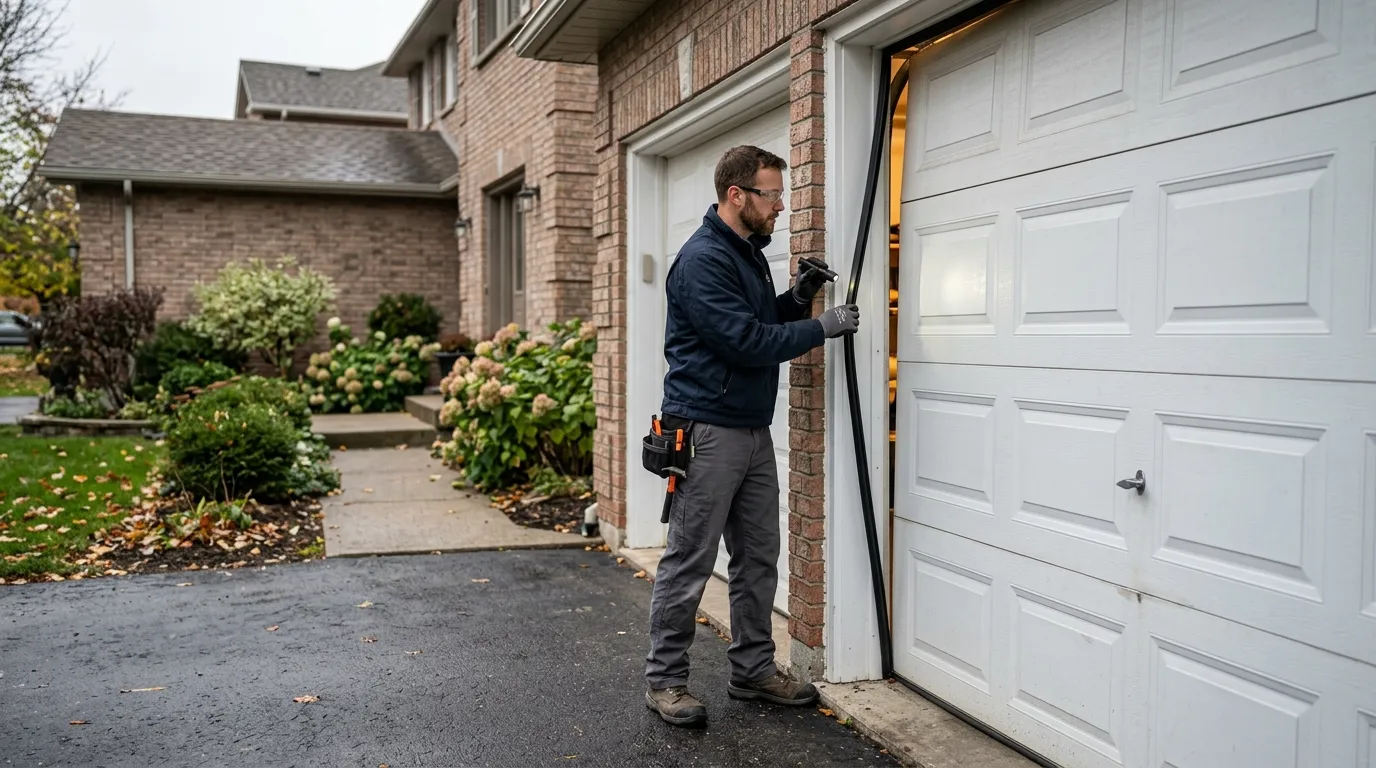
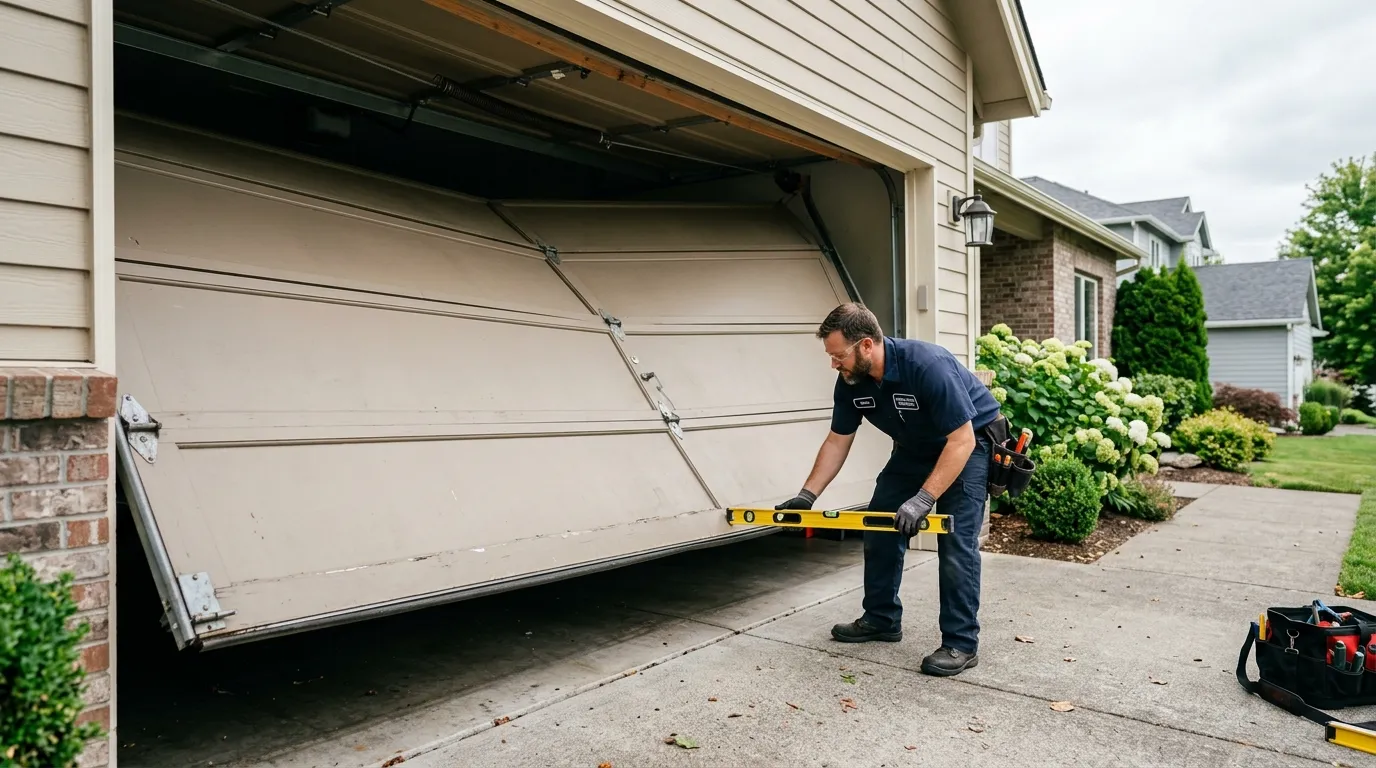
Swapping in a new door on a house built before 1980 isn't a straight part-for-part trade. Framing settles over five or six decades, so the rough opening on a lot of these older Arvada houses is no longer square, and a new door has to be trimmed and shimmed to fit an opening that's shifted since the original went in. Openers bought decades apart don't always share mounting points either, and a door sized for 1970s standards is often narrower or shorter than what's sold new today, which means header and track work, not just a swap. Insulation is the other piece. Given the cold-severe climate here, a new door that isn't rated for it will underperform the same way the old one did, just with fresh paint. That's a real added cost line that people don't always expect going in, and it's worth pricing before you commit to a door based on looks alone. None of this is unusual for the age of housing stock in this area - it's just work that has to happen before the new door goes up, not after.
The DIY Question
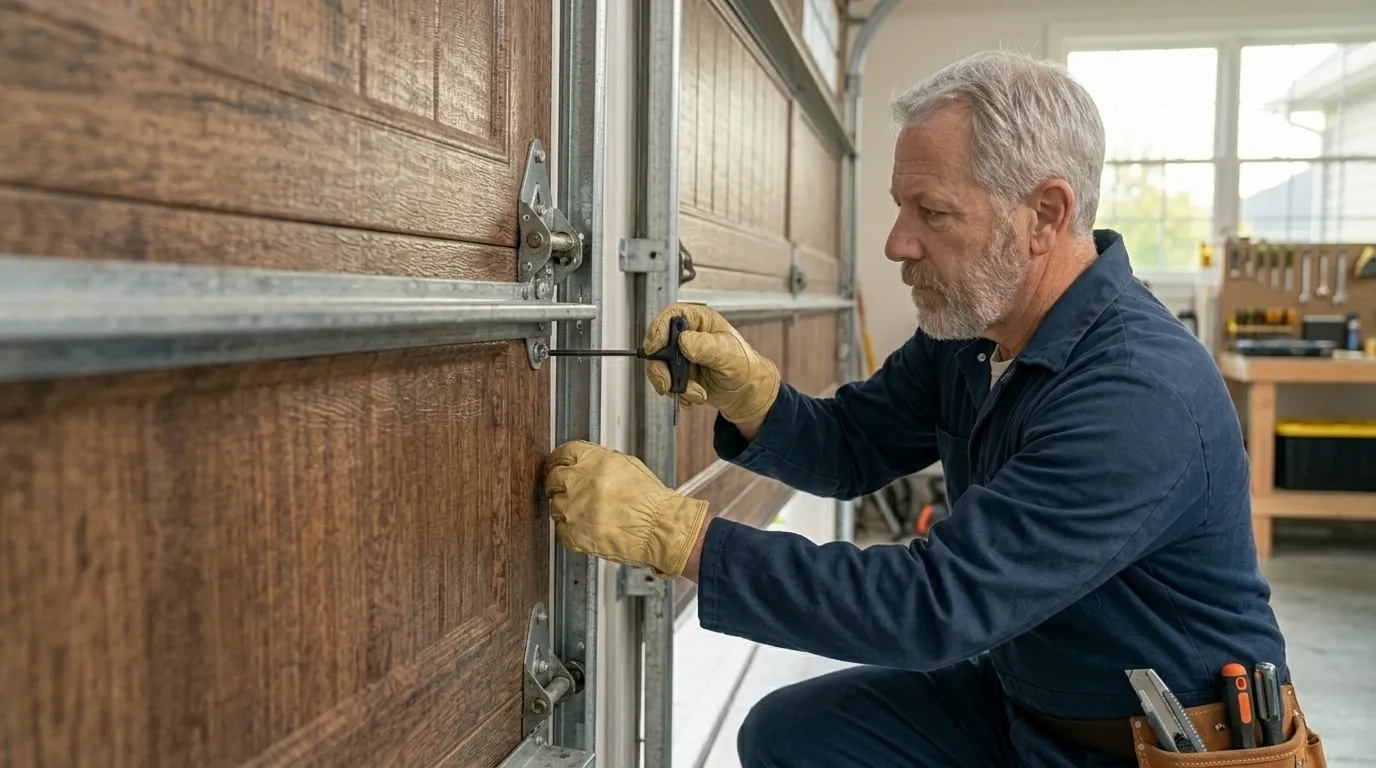
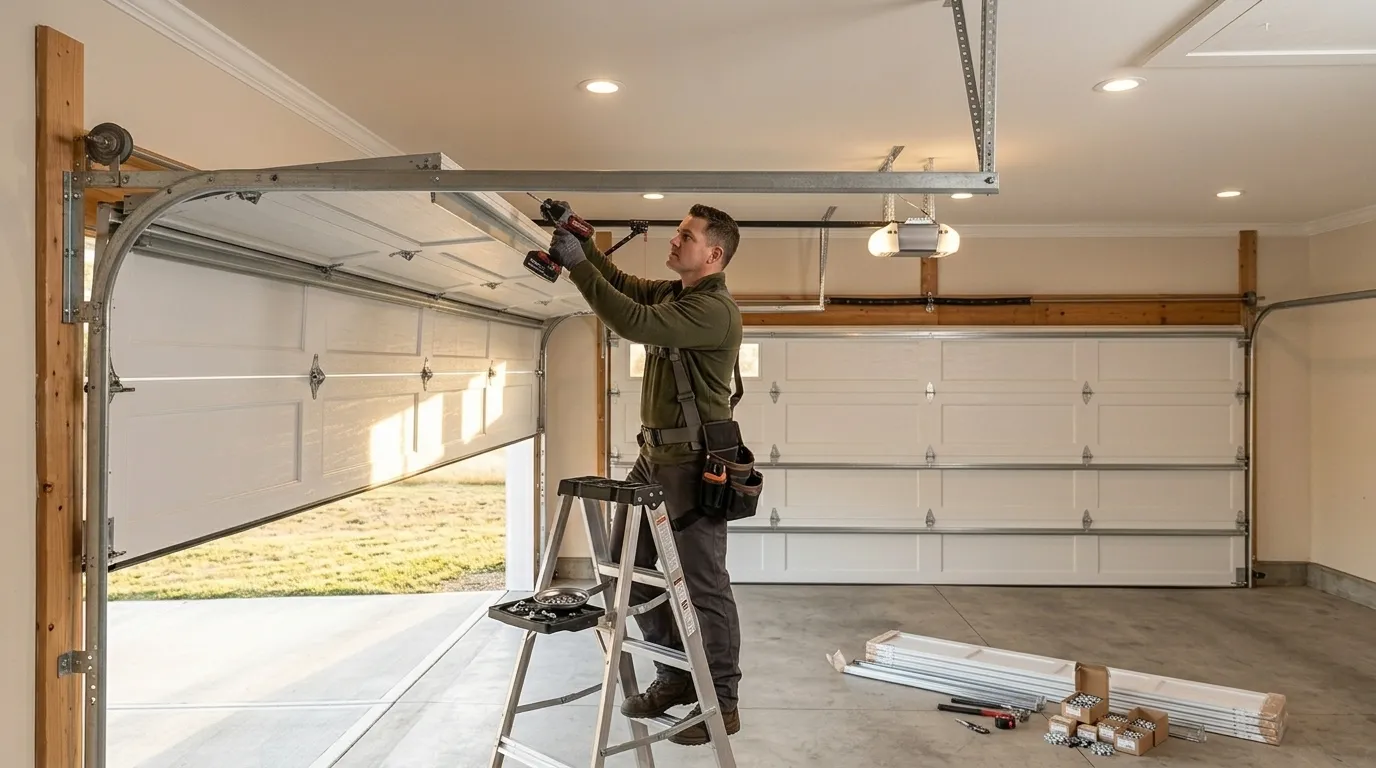
A garage door installation is not a good weekend project, and I'll say that plainly. The panels are heavy, the torsion spring holds enough stored force to break a bone or worse if it lets go while you're working near it, and getting the track plumb on the first try matters more than it looks like it should - a door that's a half-inch off at the top will bind or slam for the life of the installation. On an older Arvada opening, where the framing may not be square to begin with, that margin for error gets even thinner. If you're comfortable swapping weatherstripping or replacing a roller, do that yourself and save the call for the door itself. Full installation is where the risk-to-savings math stops making sense for most homeowners. I won't talk anyone out of doing their own maintenance work, but hanging a new door on old, settled framing is a two-person job with the right lift equipment, and it's the one part of this I don't recommend cutting out.
The Symptom
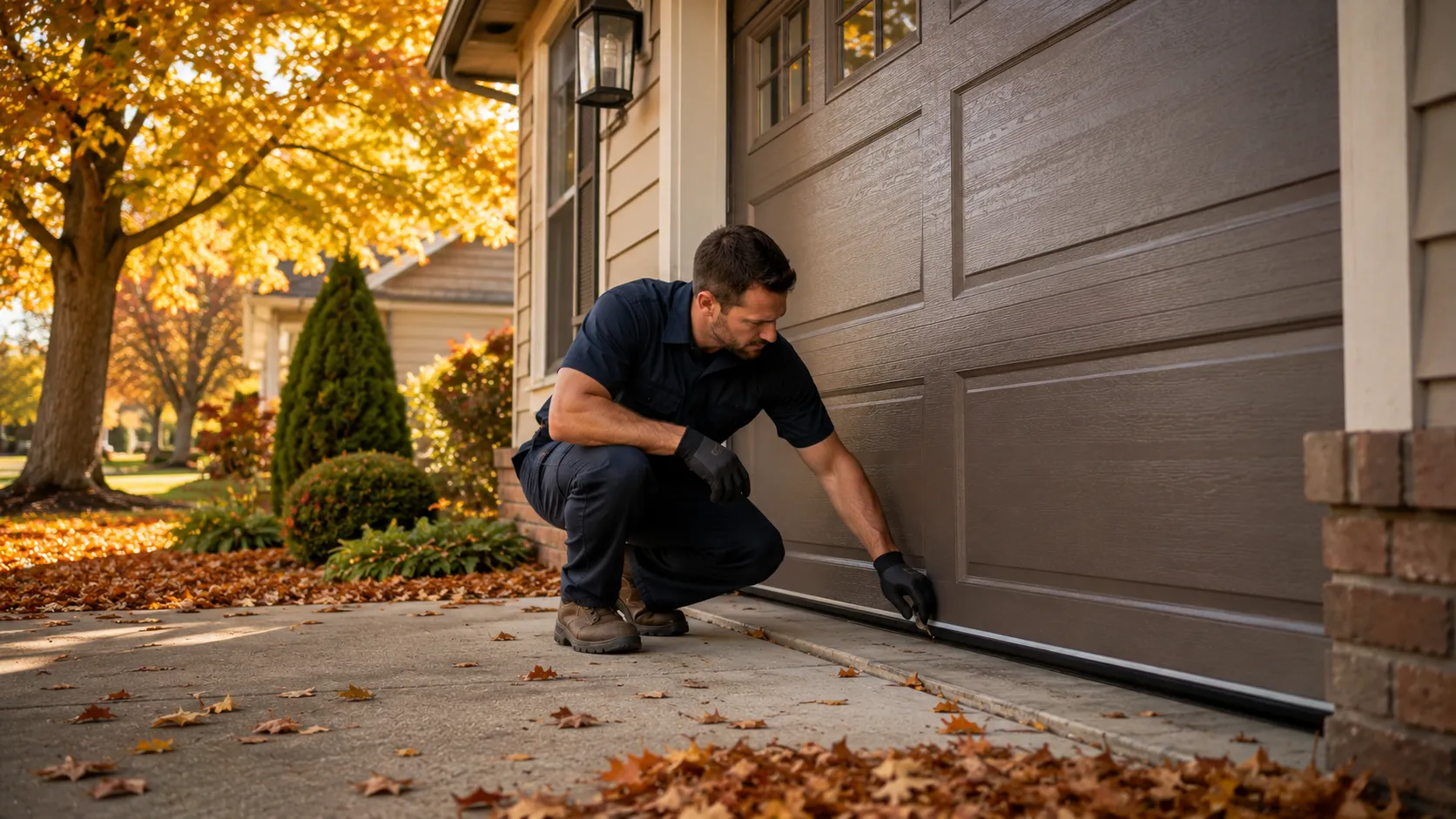
You know it's time for a new door, not another repair, when the panel itself is the problem rather than the hardware. Look for wood that's swollen or splitting at the bottom corners, steel that's dented enough to throw the whole panel out of alignment, or a bottom seal that no longer touches the slab evenly along its length - on a house from the 1960s or 70s stock common here, that gap is often the original uninsulated skin finally warping from decades of cold. If the door still closes and holds tension fine but the garage never warms up and you can feel a draft along the sides, that's an insulation problem a repair won't fix, since you're not going to retrofit foam into a 50-year-old steel skin. Rust bleeding through the paint at the seams, especially near the bottom panel, is another sign the material itself is done, not just cosmetically tired. Springs and openers get replaced piece by piece. Panels that have aged out the way a lot of Arvada's original stock has need the whole door.
How it works
From “it’s stuck” to “it’s fixed”
01
Tell us what’s wrong
Describe the symptom - won’t open, loud bang, opener runs but the door won’t move.
02
On-site diagnosis
A technician tests the door under power and by hand and finds what actually failed.
03
Clear, up-front plan
You get the fix that’s needed and what drives the cost - before any work starts.
04
Repaired & tested
The repair is done, the door is set true and tested, and the work area left clean.
Serving Arvada, CO - tell us what your door’s doing and we’ll take it from there.
Straight answers about garage door repair in Arvada. Still unsure? Ask us directly.
Why does my garage door feel cold or drafty even when it's closed all the way?
If your house is part of Arvada's common 1960s-70s stock, the original door likely has no insulation layer at all - just a single steel or wood skin. In a cold-severe climate that shows up as a draft along the bottom and sides even with the door fully seated. A repair to the seal helps a little, but it won't add insulation the panel was never built with.
Will a new garage door fit my existing opening without extra work?
Not always. A lot of Arvada homes were framed decades ago and have settled since, so the rough opening isn't always square anymore. New doors are also often sized differently than what went in originally. Expect some trim, shim, or header work as part of the job rather than a straight panel swap.
Can I install a garage door myself to save money?
I'd steer you away from it. The torsion spring stores enough force to cause serious injury if it releases while you're working, and getting the track plumb on an older, possibly settled opening takes more precision than it looks like. Weatherstripping and rollers are fine DIY jobs. The door itself isn't.