Do you have a location in Louisville?
No. We run out of Arvada, and Louisville is about 9 miles out on our route. We still take calls there, but scheduling depends on how the day's route is running rather than a local dispatch point.
Louisville homes mostly date to the early 1990s, later than much of our Arvada service area. We handle the torsion-spring doors and openers that era built.
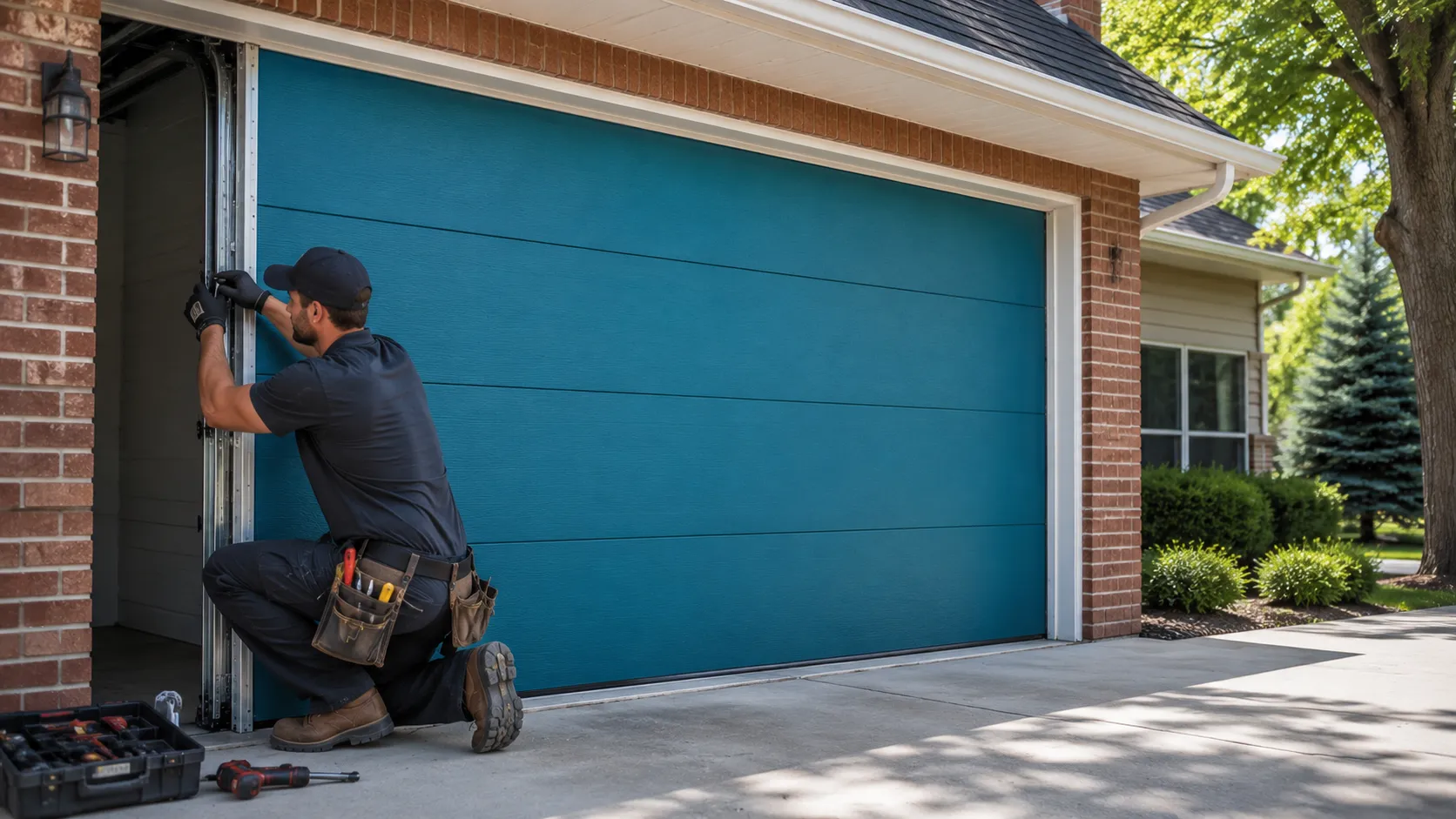
Louisville sits about 9 miles from our Arvada base, and the building pattern here reads differently than a lot of the territory we cover. Across the wider service area the median home dates to 1977, with plenty of stock going back to 1938. Louisville's own median build year runs to 1991 - a solid generation newer. That gap matters more than it sounds like it should. A door installed in a house framed in the late 1980s or early 1990s almost always came with torsion spring hardware mounted overhead, not the older side-mounted extension springs you still find on the 1960s and 70s houses elsewhere in our routes. When a call comes in from Louisville, the first assumption is torsion, not extension, and that changes what's in the truck before we even knock. It also means less of the original single-layer steel panel work we see closer to the older core neighborhoods, and more doors with foam-filled sections that were standard by the time these streets were built out.
We run out from Arvada, and Louisville is on the far side of that radius at roughly 9 miles. It's not a stop we make on every loop, so getting a job in Louisville onto the schedule sometimes means a slightly different routing than a call closer to the shop. We don't keep a location in Louisville itself and we're not going to pretend otherwise - this is a service call from Arvada, same as the rest of the coverage area, just further out on the map. If timing is tight, say so when you call and we'll tell you straight whether the day's route works or whether it's a next-day fit. Nine miles isn't a long haul, but it's long enough that we plan for it rather than assume it.
The regional climate is classed as severe cold, and that doesn't care what year your house was built. Steel contracts, lubricant thickens, and torsion springs lose tension faster in a stretch of hard winter than they do in a mild one, regardless of whether the hardware is from 1975 or 1991. Where the build year does matter is in what fails first. On Louisville's newer stock, we see more opener control-board and sensor issues than spring failures, since the springs are often still within their rated cycle count. We also see fewer warped panels, since foam-core doors resist the cold-driven bowing that older uninsulated steel is prone to. One honest limit: if a torsion spring on one of these newer doors has already been replaced with a mismatched aftermarket size, matching it correctly can take an extra trip to source the right part rather than a same-visit fix.
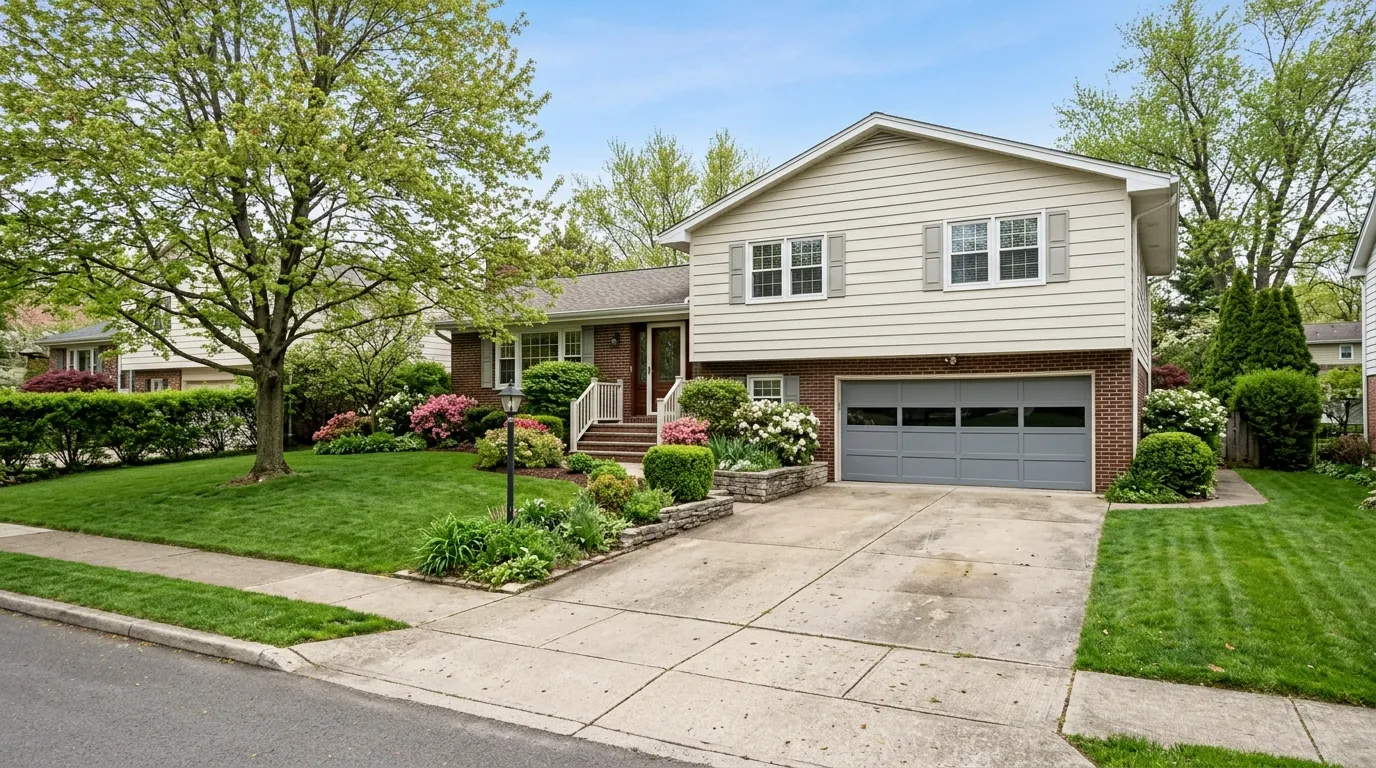
Describe the symptom - won’t open, loud bang, opener runs but the door won’t move.
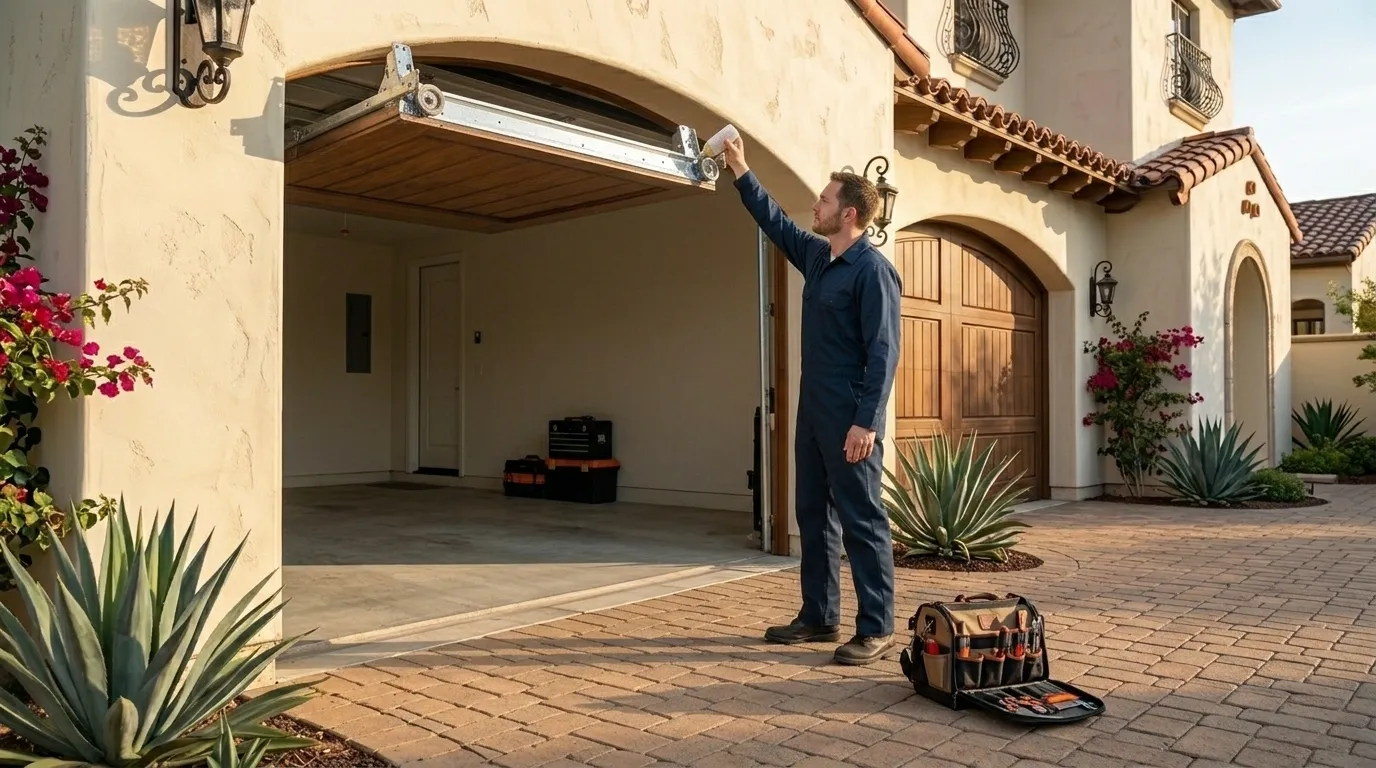
A technician tests the door under power and by hand and finds what actually failed.
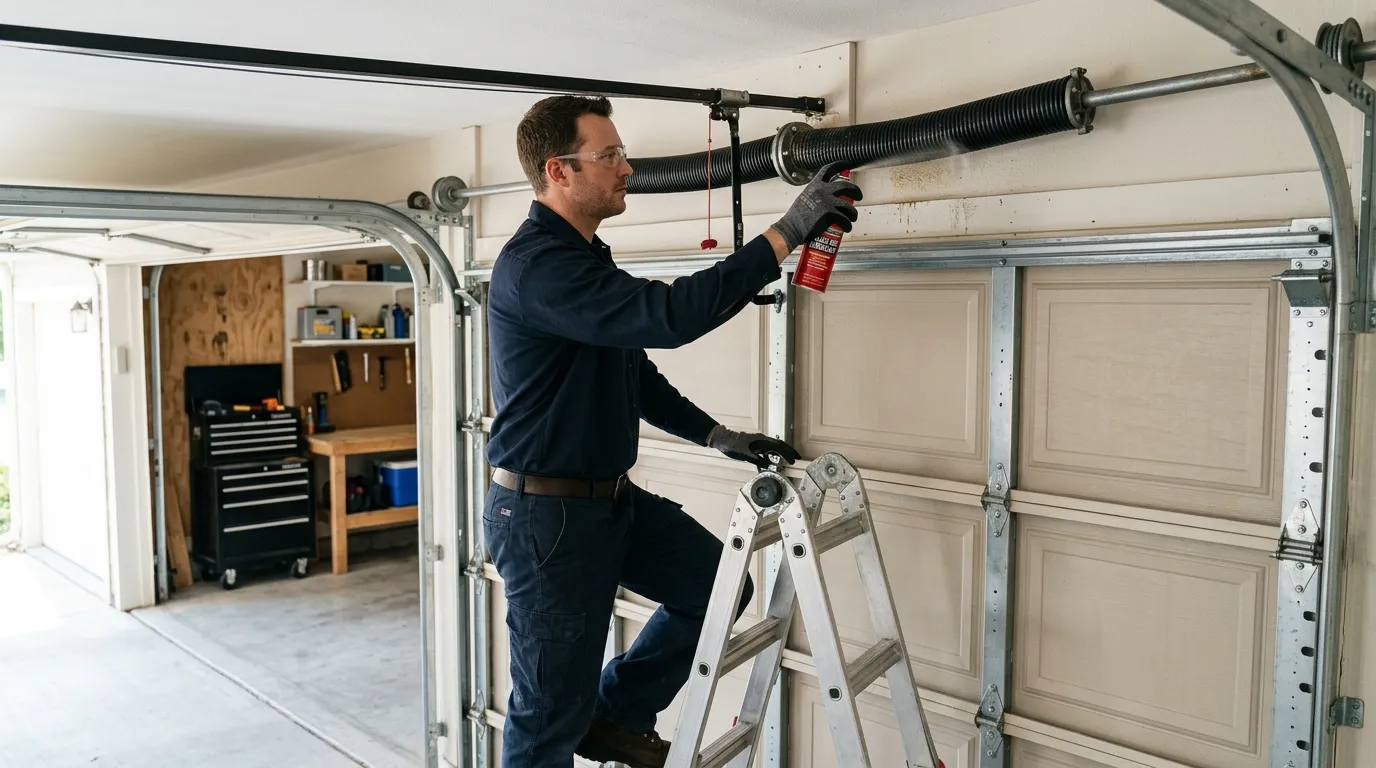
You get the fix that’s needed and what drives the cost - before any work starts.
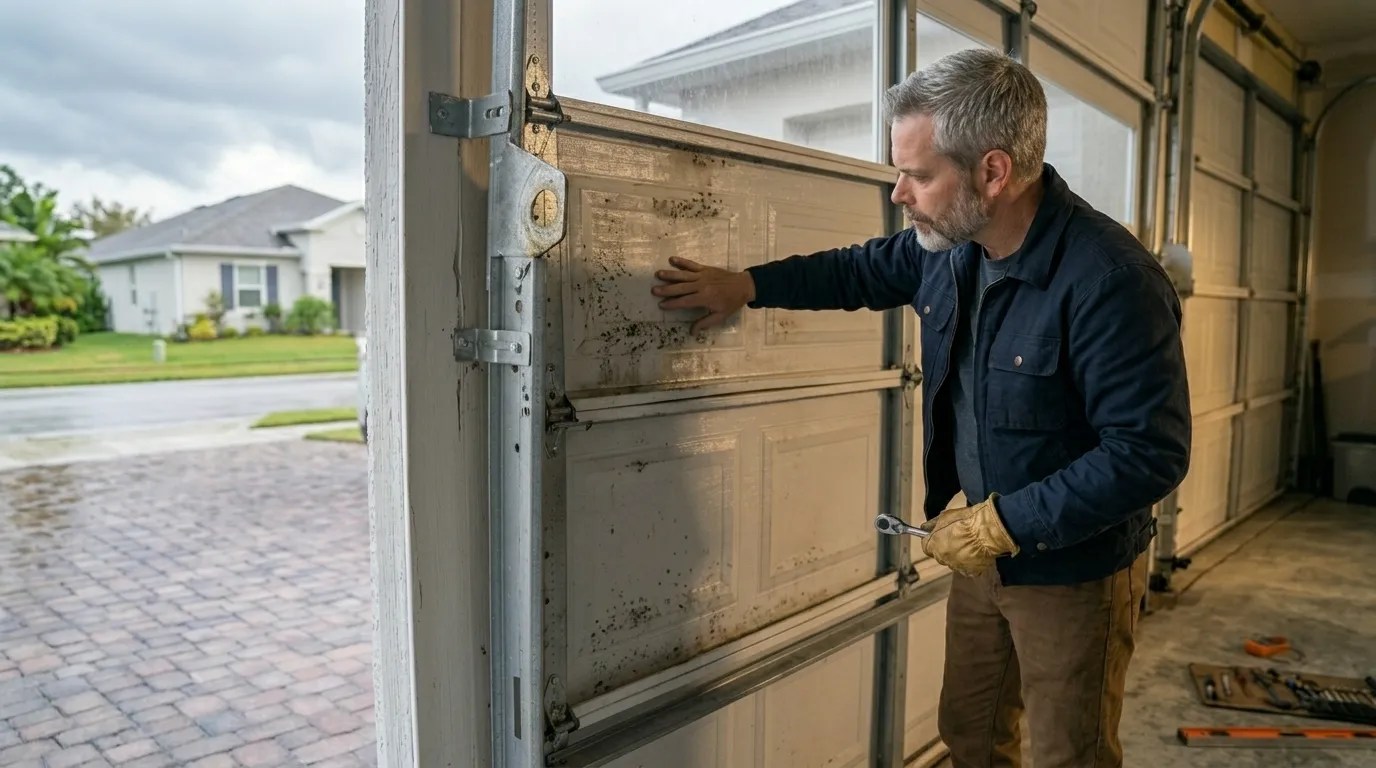
The repair is done, the door is set true and tested, and the work area left clean.
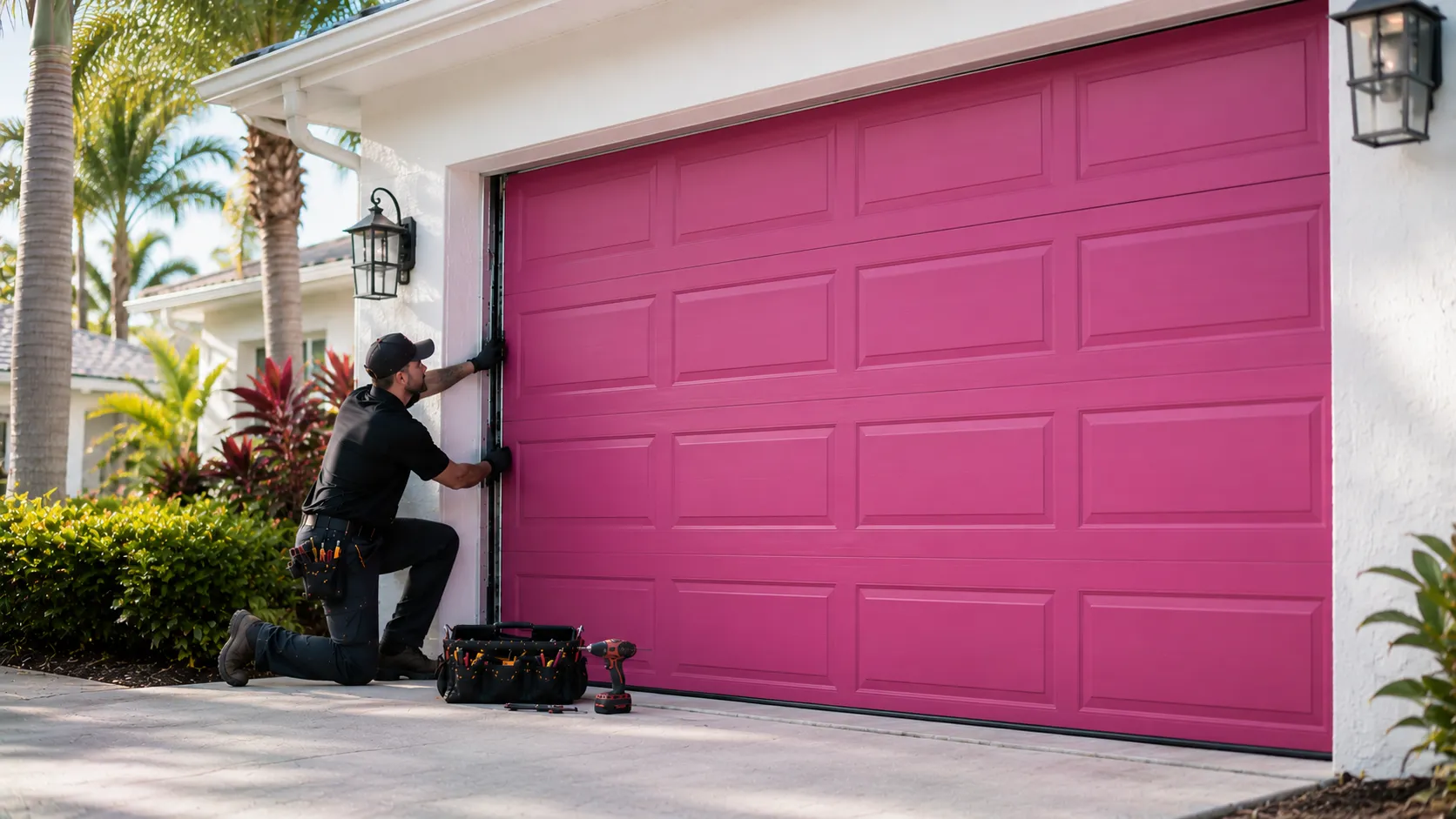
Repair, spring and opener service, and new door installation for single- and double-car home garages.
See services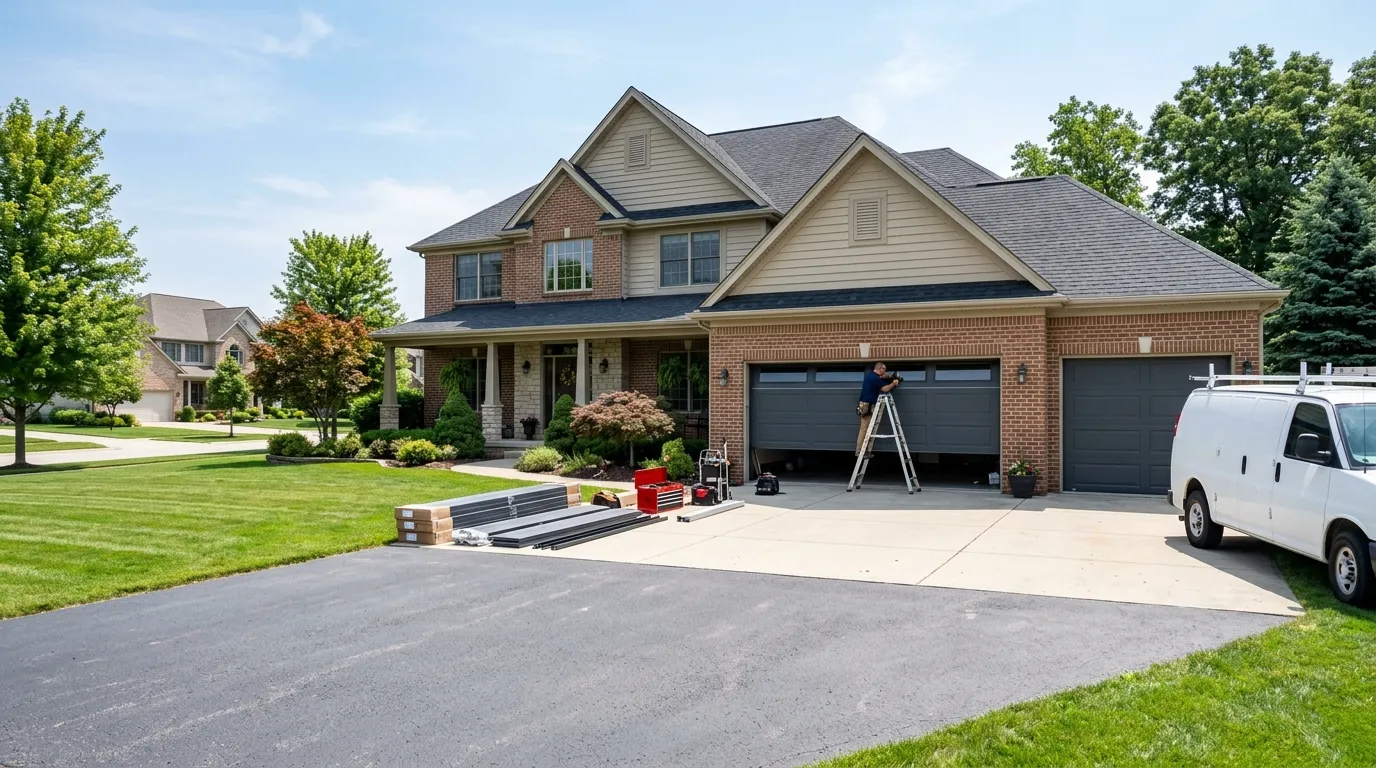
Rolling steel, sectional, and dock doors serviced with the higher cycle counts of commercial use in mind.
See servicesIllustrative styles - sectional, insulated steel, carriage, and commercial doors.
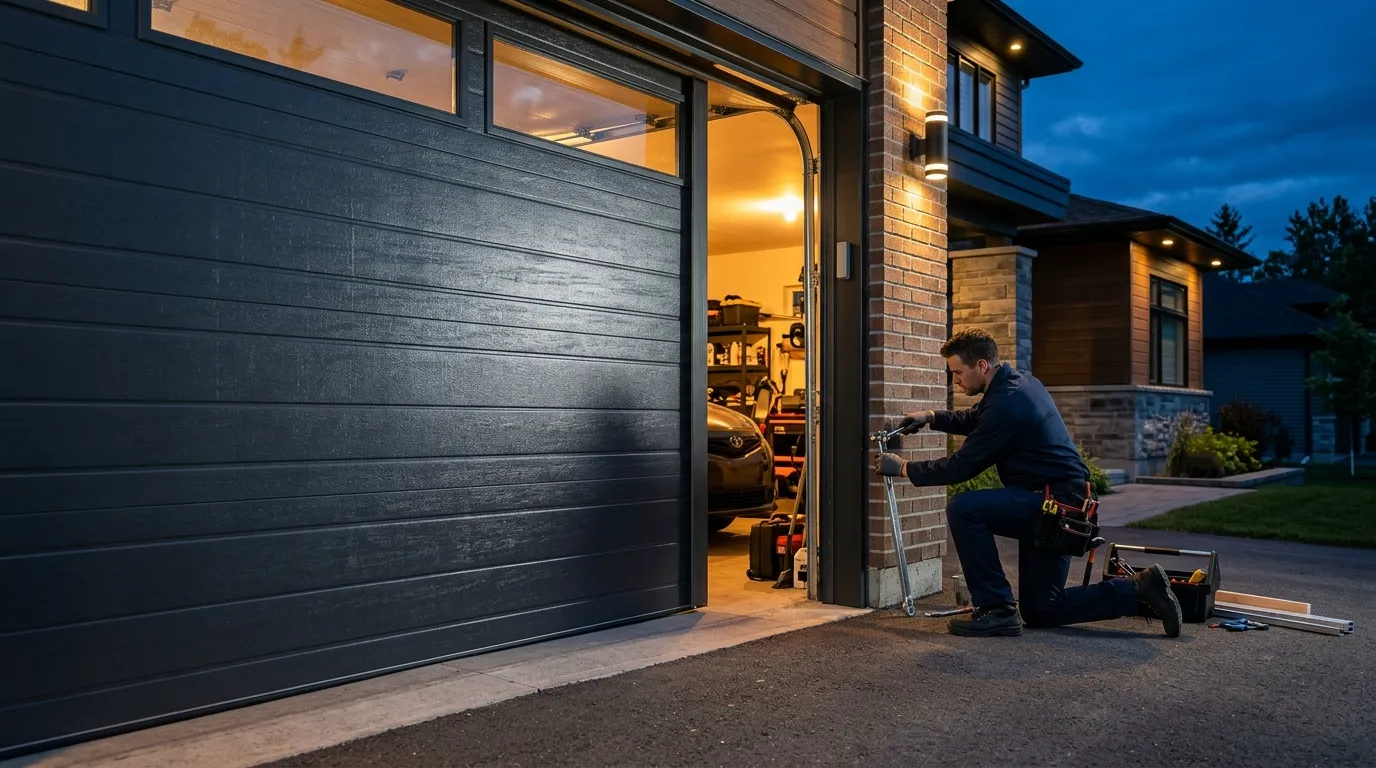
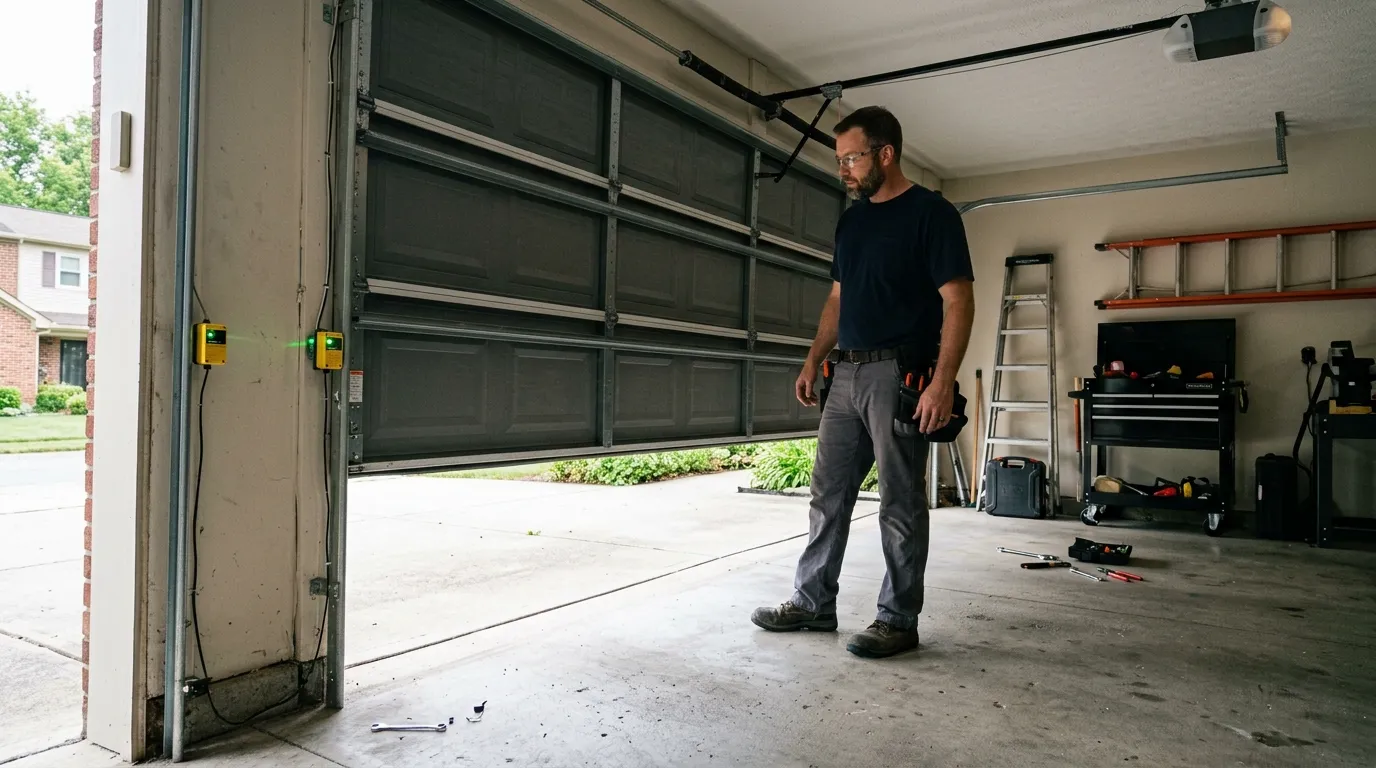
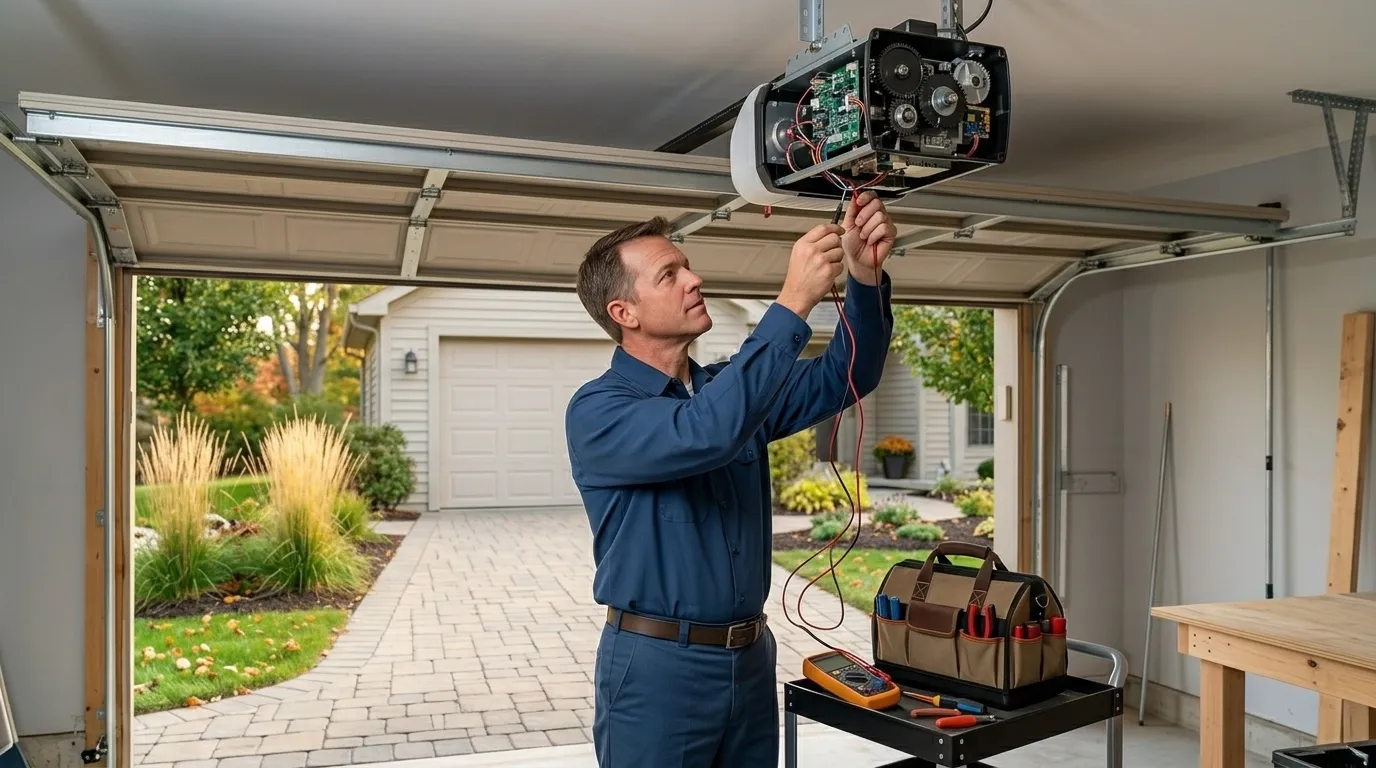
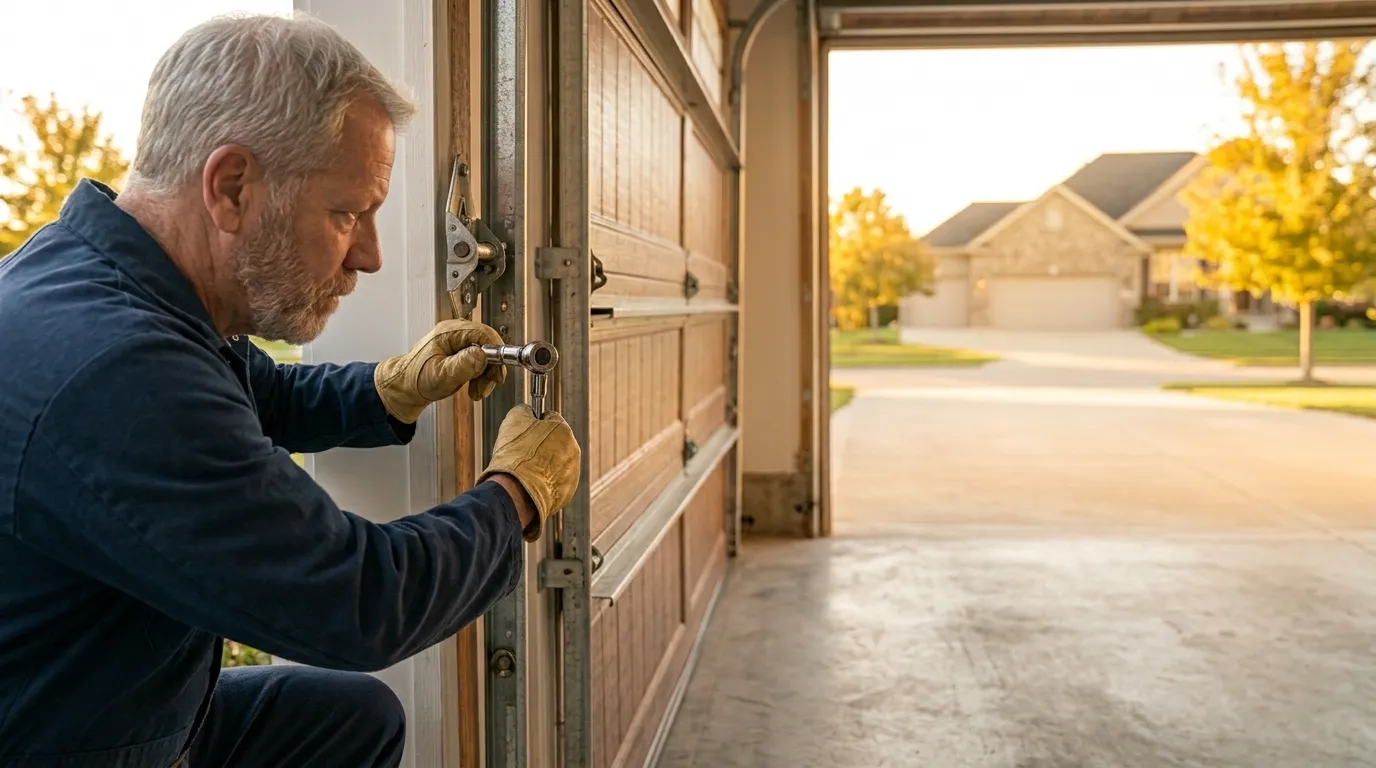
Repair and installation work for Arvada homes and businesses.
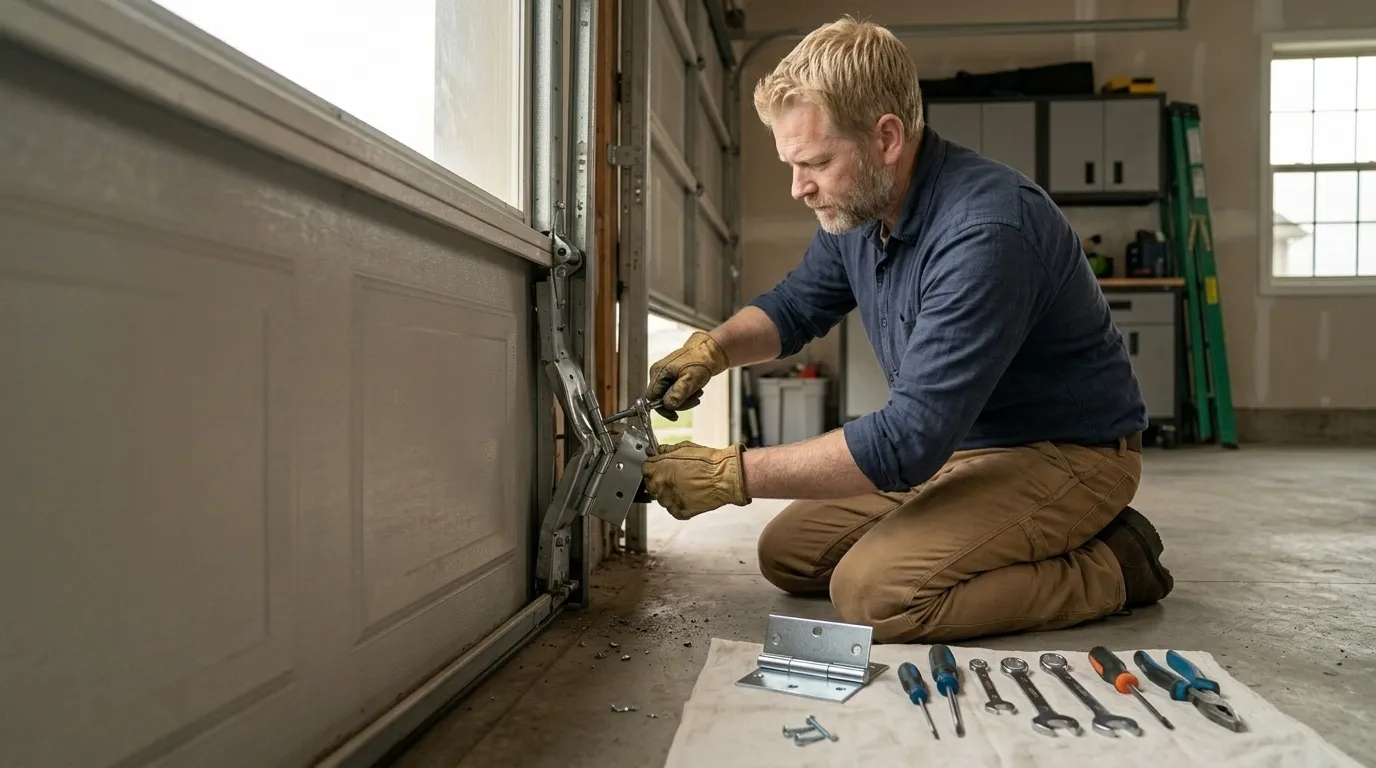
Springs, openers, and tracks fail differently on Arvada's 1960s-70s stock than on newer builds. Local repair for torsion springs, rollers, and cold-stiffened openers.
Learn more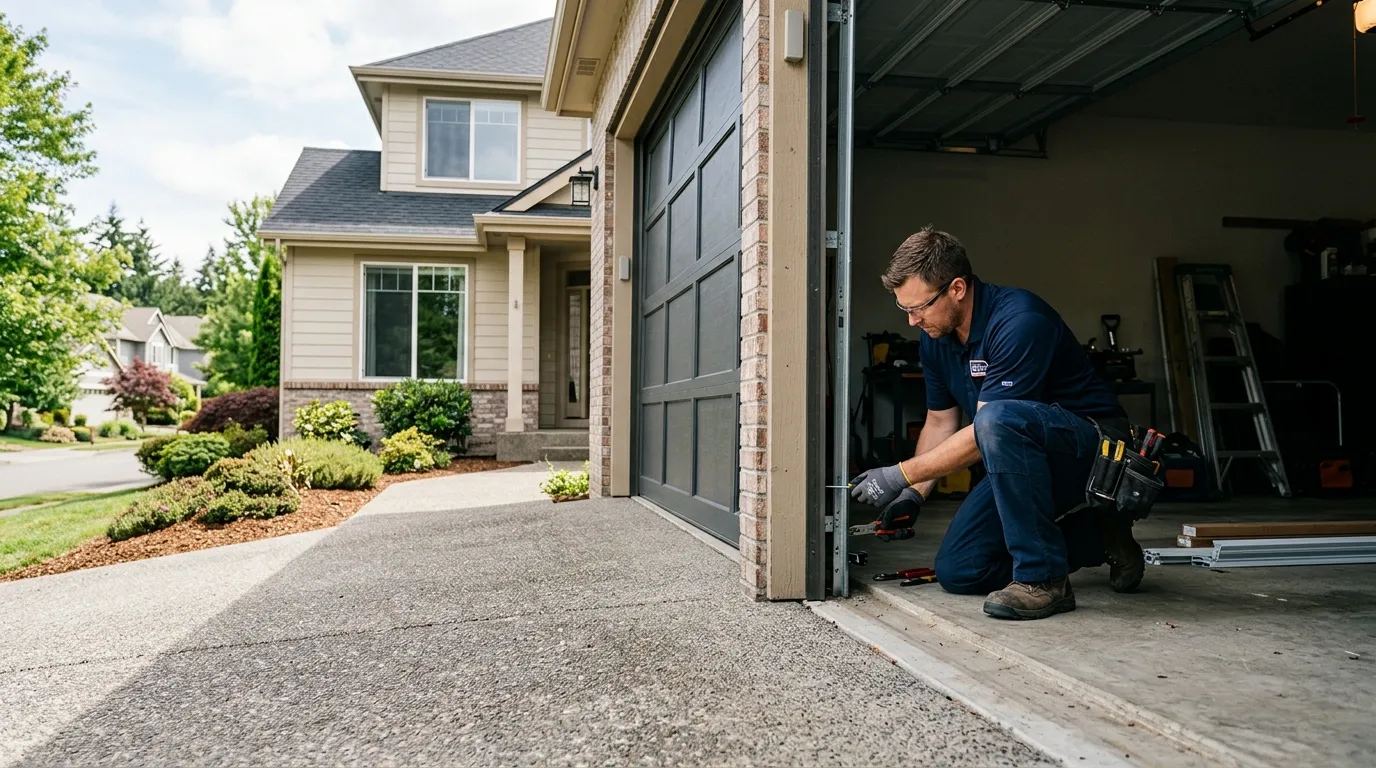
Original 1960s-70s Arvada doors weren't built for our winters. Arvada Garage Door Pros installs insulated, code-fit doors sized to your home's opening.
Learn more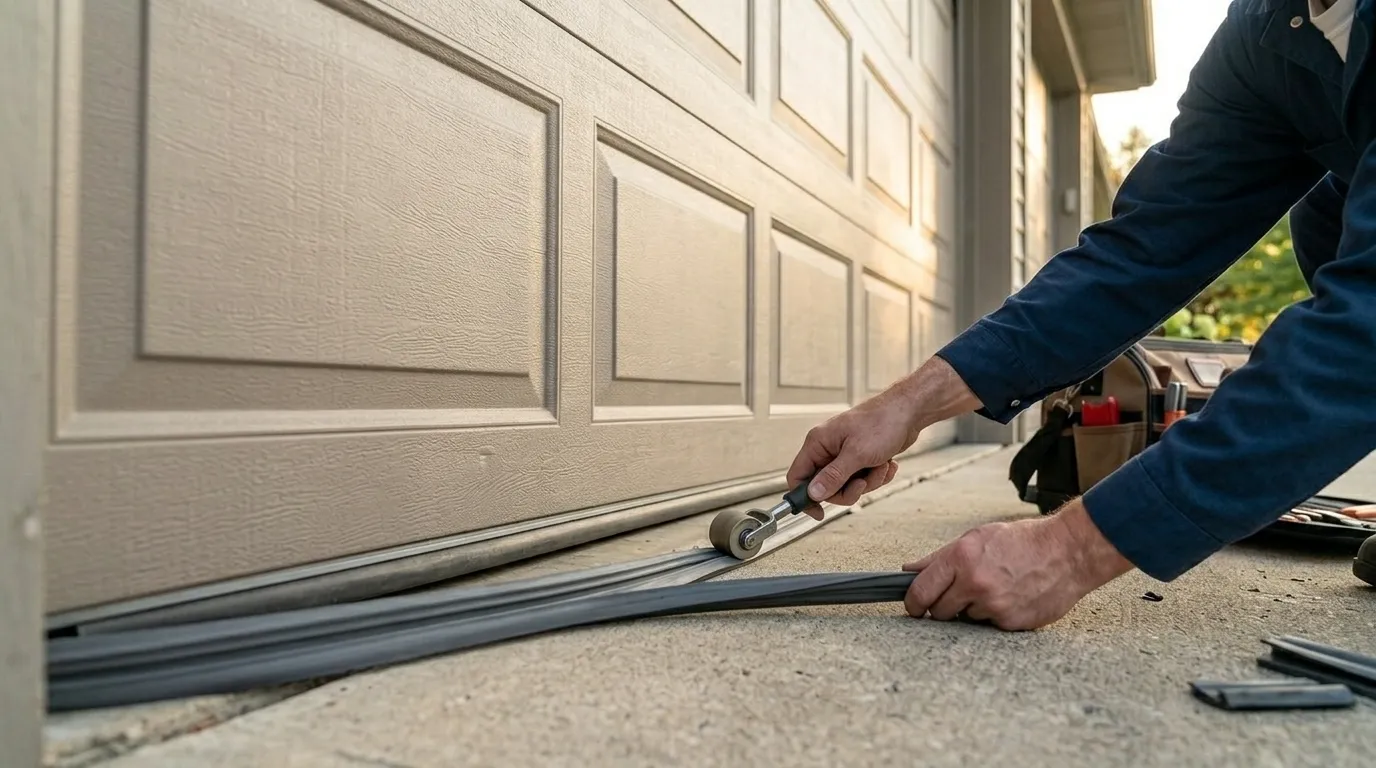
Serving Arvada homes built 1938-2010, from Olde Town to Ralston Valley. We diagnose spring, opener, and track failures tied to this area's housing stock and cold winters.
Learn moreStraight answers about garage door repair in Arvada. Still unsure? Ask us directly.
No. We run out of Arvada, and Louisville is about 9 miles out on our route. We still take calls there, but scheduling depends on how the day's route is running rather than a local dispatch point.
Generally yes. Louisville's median home was built around 1991, later than the roughly 1977 median across the wider service area, so most doors here started life with overhead torsion springs and foam-filled panels rather than older extension-spring setups.
On doors from the early 1990s we more often see opener control boards, sensors, and worn idler pulleys giving out before the torsion springs do, since those springs typically haven't hit their cycle limit yet.
Yes. The severe cold winters common to this part of Colorado stiffen lubricant and add strain to torsion springs no matter the door's age, though foam-insulated panels standard on newer builds resist warping better than older bare steel.
Tell us what it’s doing and where you are in Arvada - we’ll take it from there.