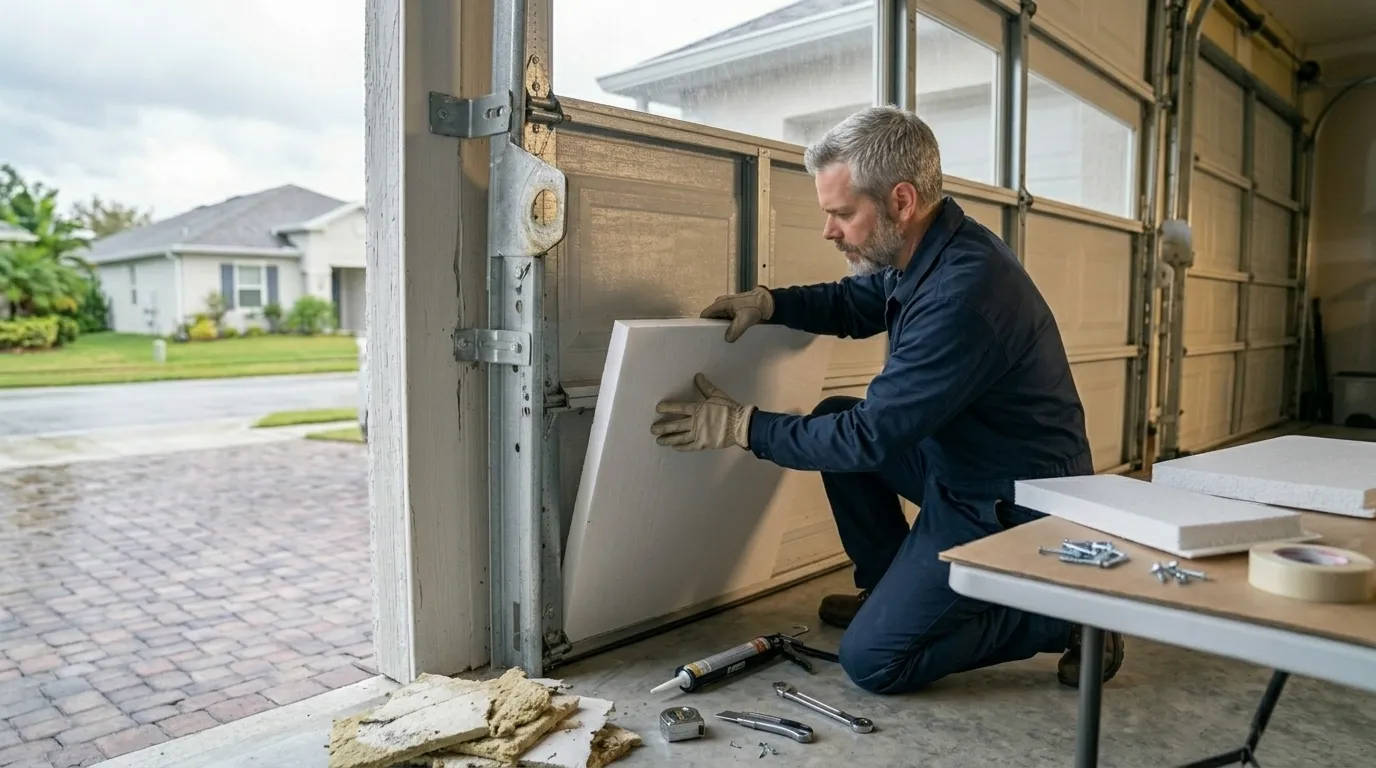
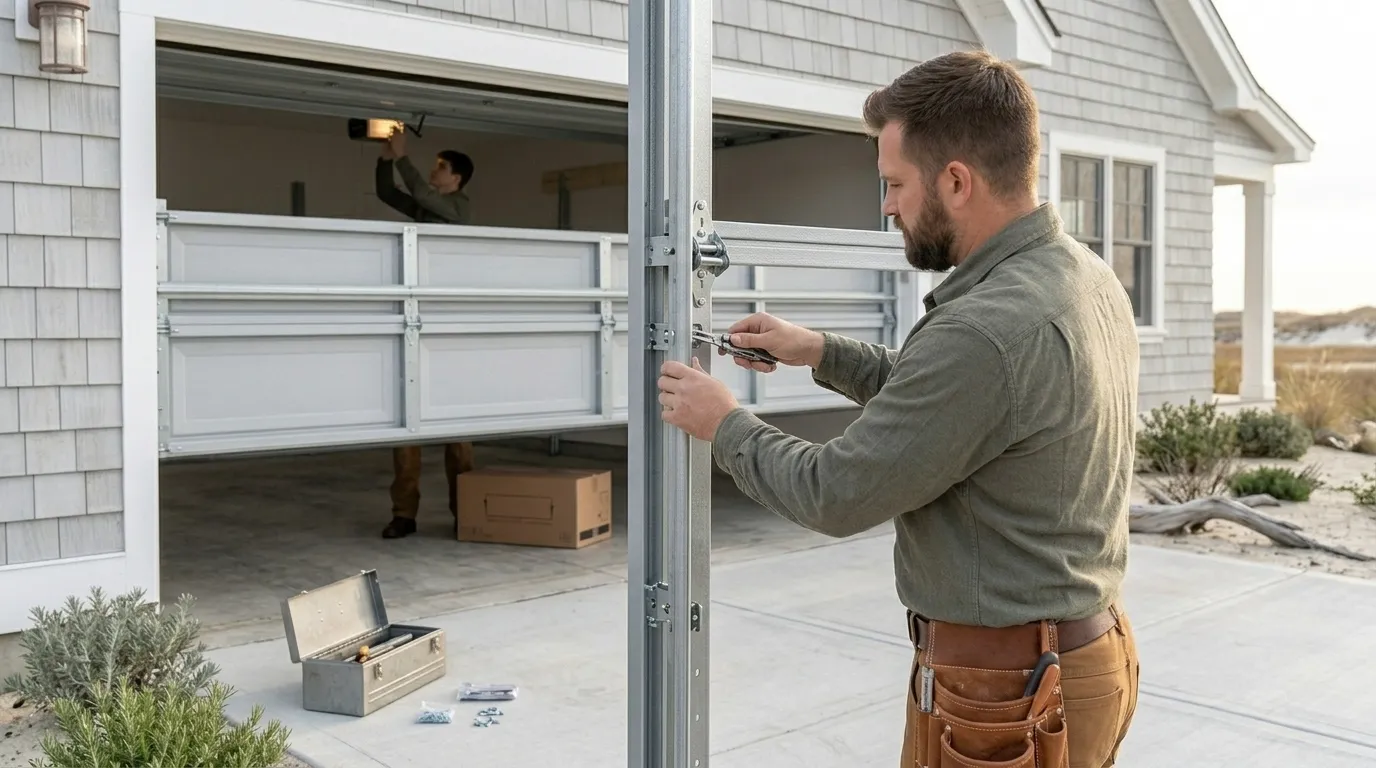
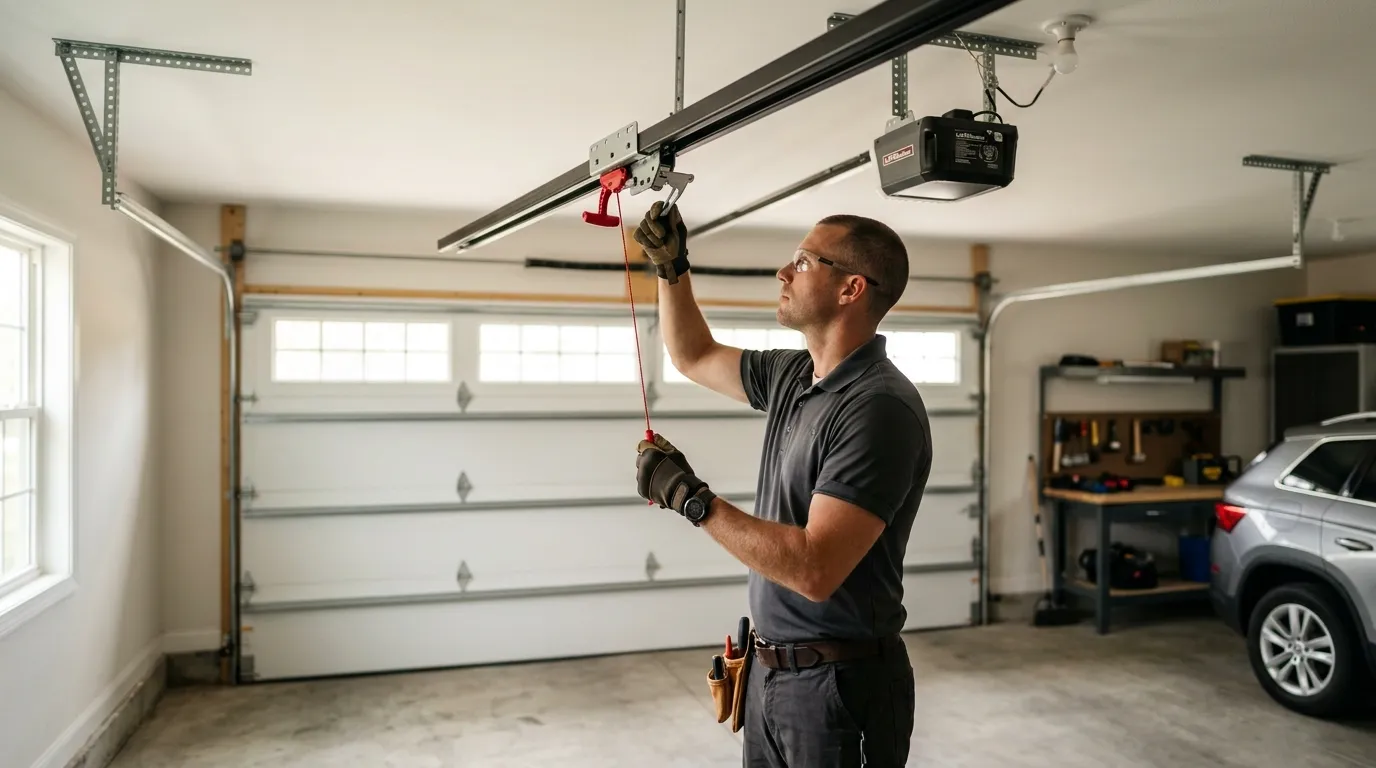
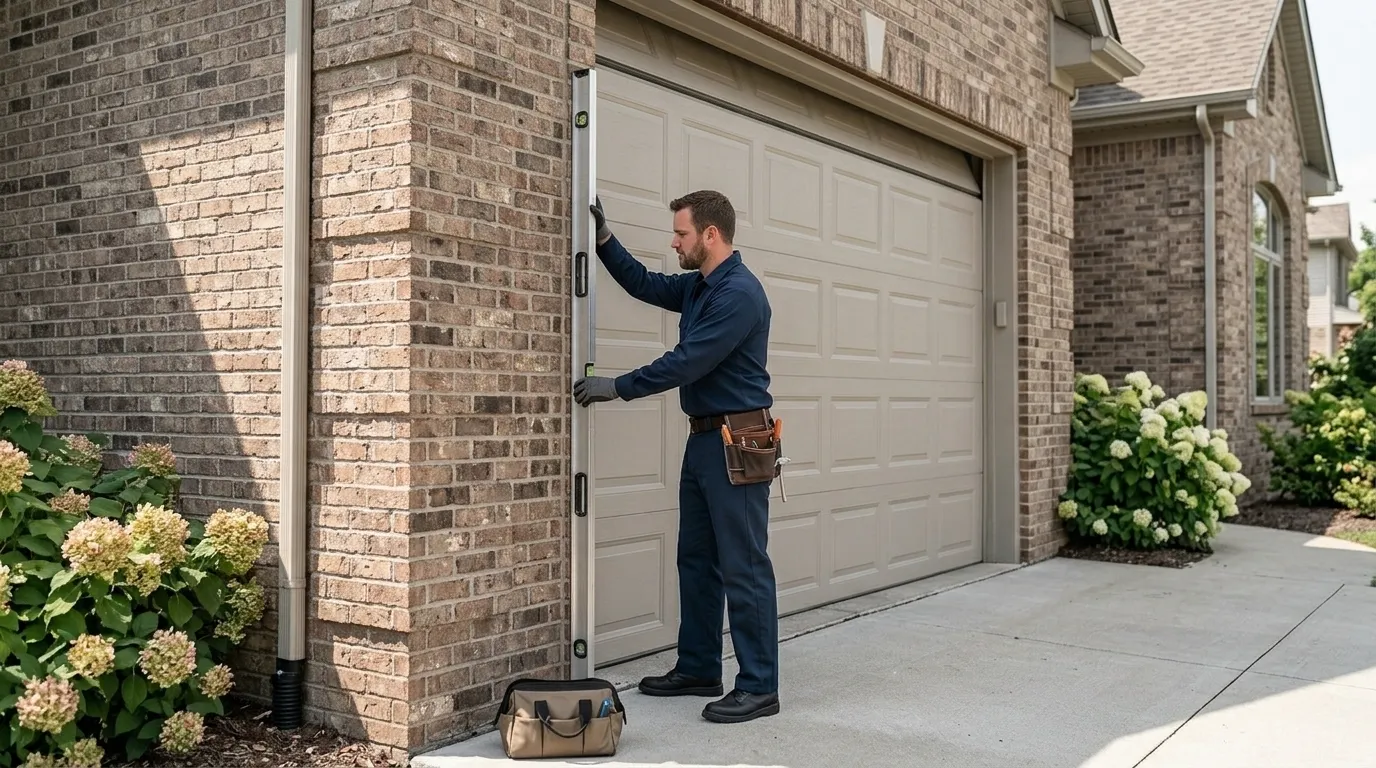
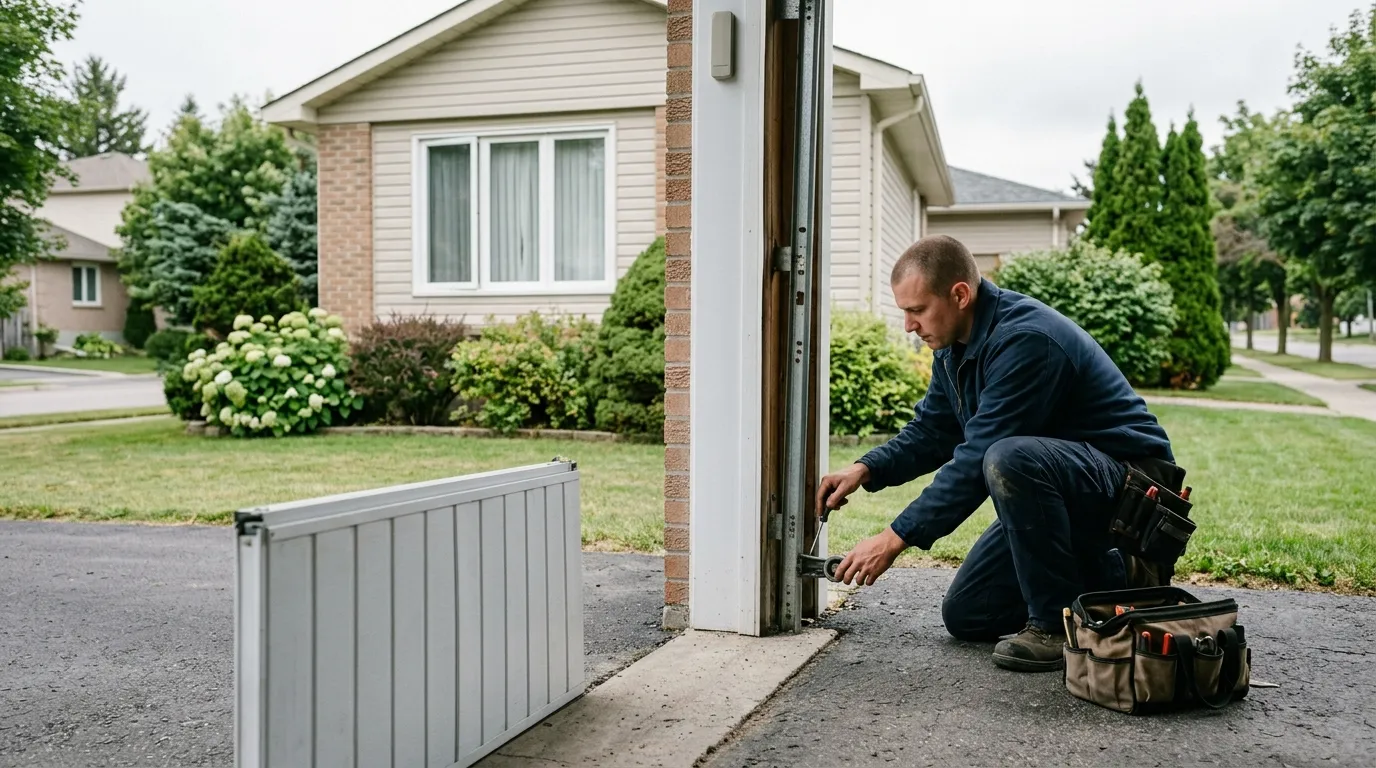
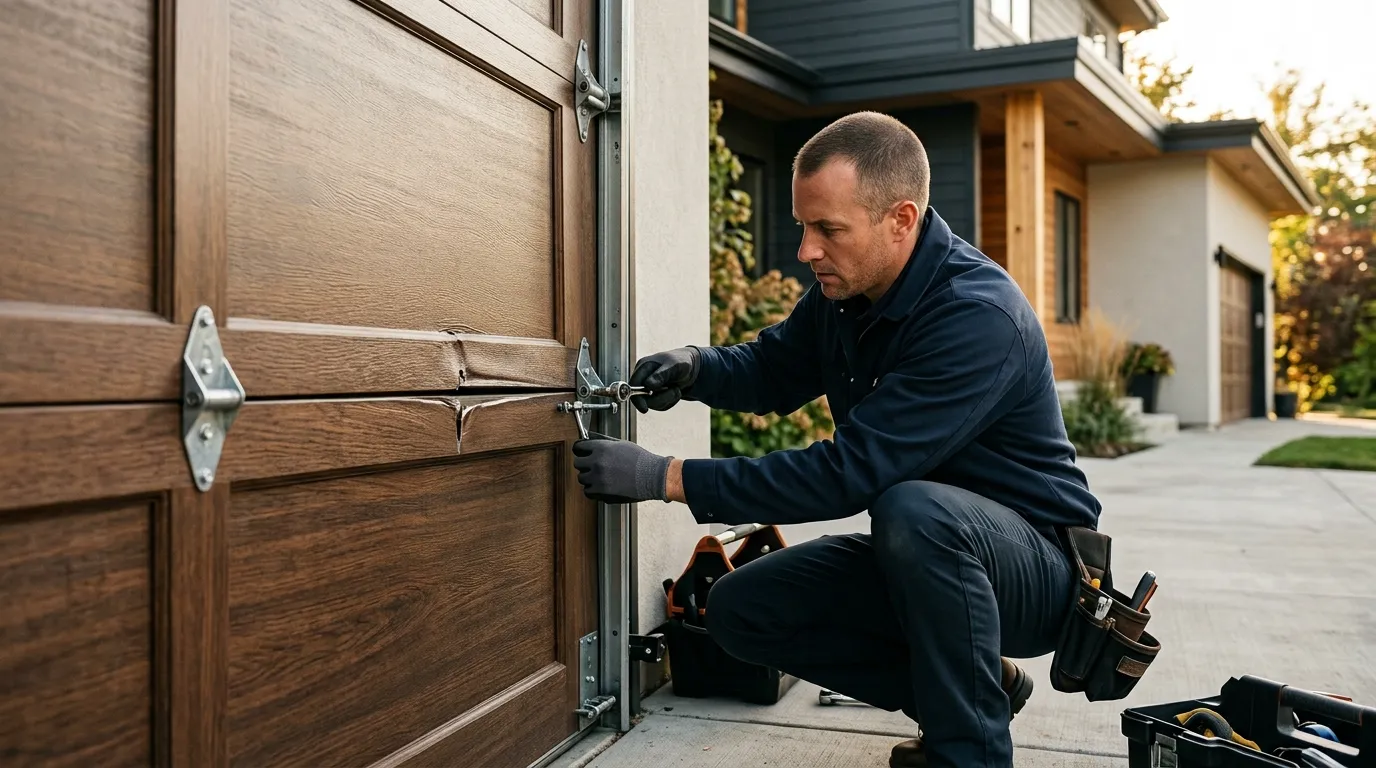
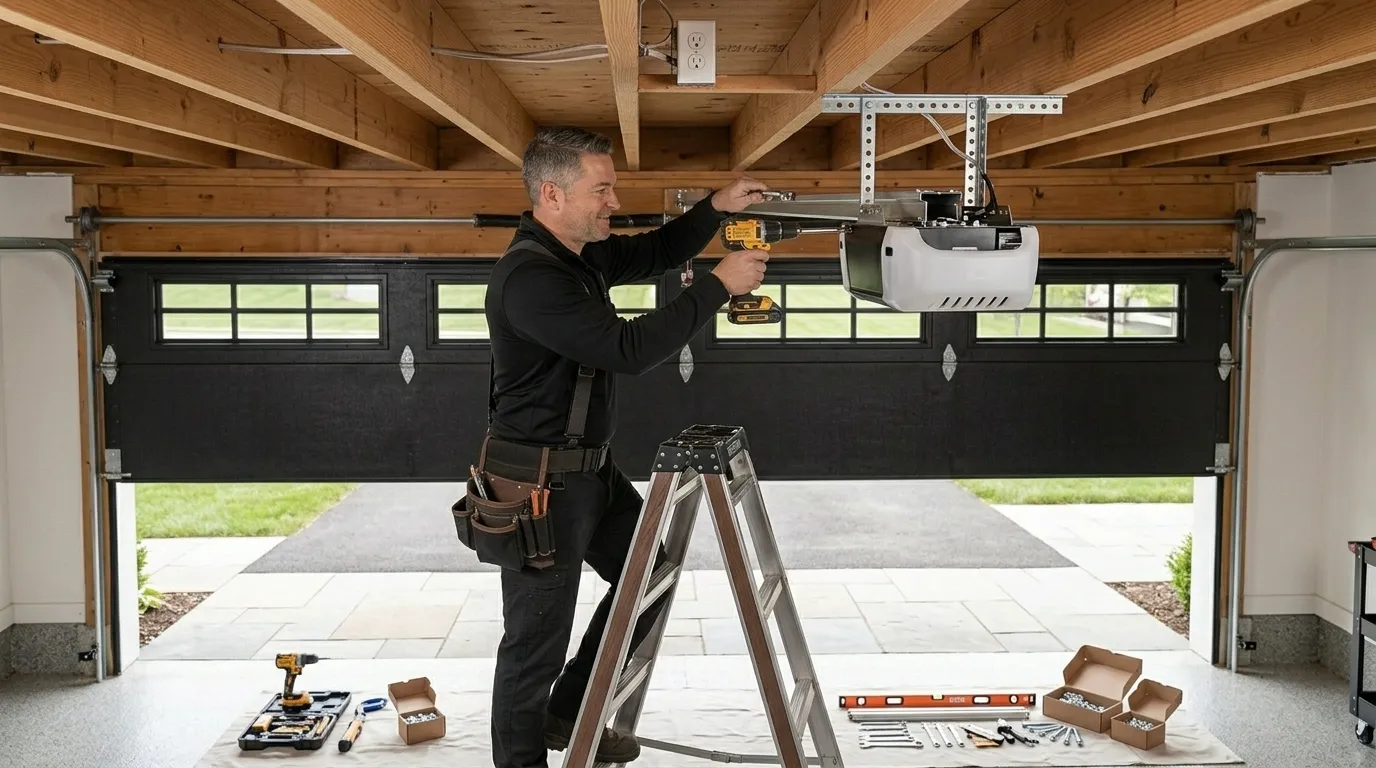
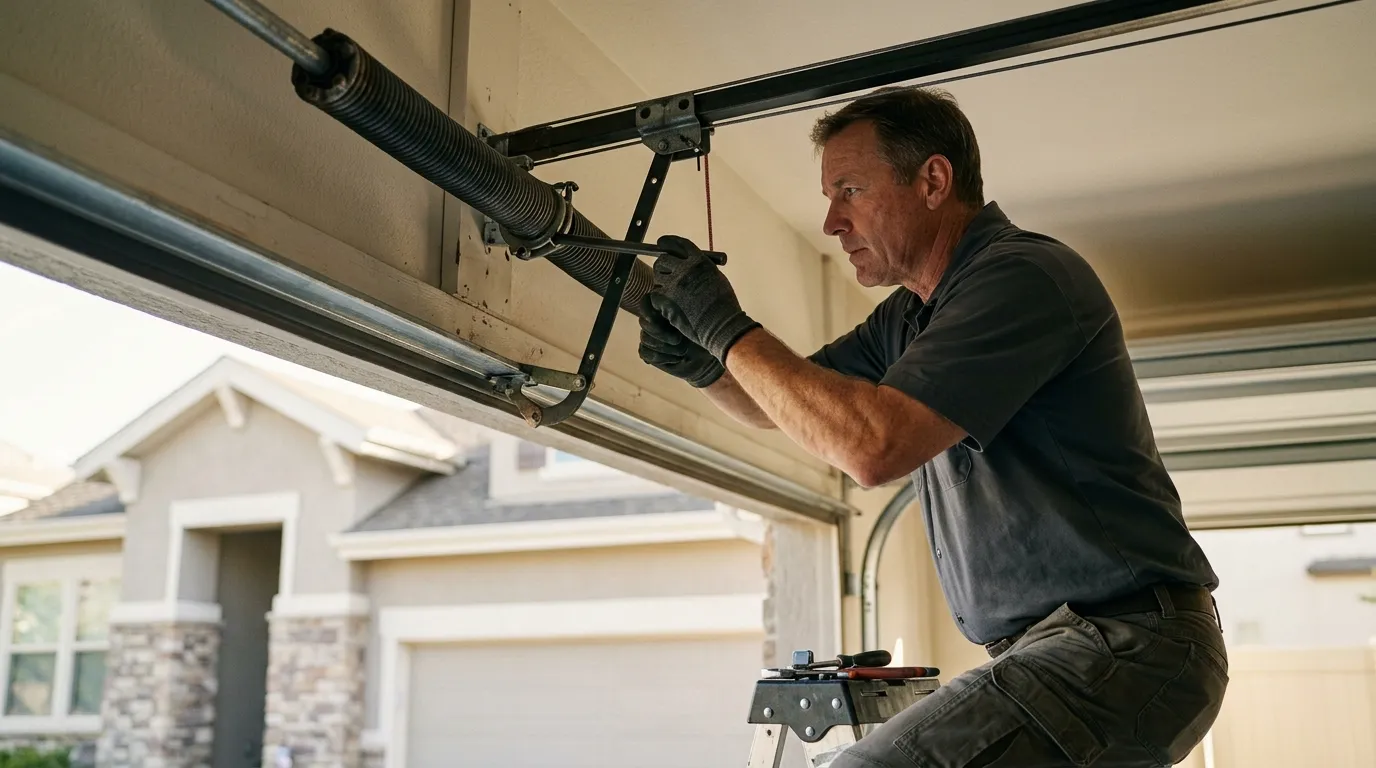
Sherrelwood sits about 8 miles from our Arvada base, and the housing here tells a different story than the newer subdivisions further out. The median year built in this area is 1966, which puts it ahead of the broader service area's median of 1977. That ten-year gap matters more than it sounds. A door installed in 1966 is on its second or third opener by now, but the original track brackets and jamb hardware often never got swapped out, because nobody thinks to replace a bracket that still holds. We see a lot of that here: newer opener, old bones underneath. It's not a knock on the area, it's just what a mid-1960s build looks like fifty-plus years on, and it changes what we check first when we get a call.
Where We Stop
We come out from Arvada, roughly 8 miles away, and Sherrelwood sits inside our regular coverage. We don't run a depot or a crew stationed here, and we're not going to pretend otherwise - every job starts with a drive. That's worth knowing if you're comparing us to an outfit that claims to already be around the corner. What we can tell you is that this area is a normal stop on our route, not a stretch call, and the distance doesn't change how we price or schedule the job.
This Area's Housing
With 6,314 households in Sherrelwood and a median income of $73,849, this is a working, established area, not a new-build tract. That income figure sits below the wider service area's median of $110,968, and it shows up in what people ask for: fix the spring, don't replace the whole door, make the opener last another few years if we can. That's a reasonable ask on a house built in 1966, and plenty of the original steel sectional doors here are still doing fine work with the right maintenance. We're not going to talk anyone into a full replacement when a spring swap or a new bottom seal solves the actual problem.
How That Shows Up in the Door
The service area sits in a severe cold climate zone, and on a house from the 1966 era that means the door and its hardware have been through decades of hard freeze-thaw cycles without modern insulation standards behind them. Torsion springs on doors this age are usually well past their wind-cycle life, and cold snaps are exactly when a tired spring finally snaps a cable or lets go entirely - usually on the coldest morning, because that's when the steel is least forgiving. We also see brittle, cracked weatherstripping and rollers that have gone out of round from decades of grit and salt. One honest limitation: if the door itself has warped or the track is bent beyond a clean adjustment, we'll tell you replacement is the better spend rather than chasing repairs on a frame that's fighting us.
How it works
From “it’s stuck” to “it’s fixed”
01
Tell us what’s wrong
Describe the symptom - won’t open, loud bang, opener runs but the door won’t move.
02
On-site diagnosis
A technician tests the door under power and by hand and finds what actually failed.
03
Clear, up-front plan
You get the fix that’s needed and what drives the cost - before any work starts.
04
Repaired & tested
The repair is done, the door is set true and tested, and the work area left clean.
Serving Arvada, CO - tell us what your door’s doing and we’ll take it from there.
Straight answers about garage door repair in Arvada. Still unsure? Ask us directly.
Do you have a location in Sherrelwood?
No. We work out of Arvada and drive out to Sherrelwood, about 8 miles, as part of our normal coverage. We don't claim a local depot or a faster response because of it - the job gets priced and scheduled the same as any other call on our route.
Why does the age of my house matter for a garage door repair?
Sherrelwood's median build year is 1966, older than much of the wider service area. Doors and hardware from that era often have original brackets, jamb hardware, or wind-worn torsion springs even after the opener itself has been replaced once or twice. Knowing the era helps us guess what's actually failing before we open the panel.
Is it worth repairing an old door instead of replacing it?
Often yes. A lot of the original steel sectional doors from the 1960s in this area are still sound if the spring, cables, and seals get proper attention. We'll tell you straight if the track or panel is too warped to fix cleanly - in that case, replacement is the better spend, not a repair we'd keep billing you for.
Does the cold weather here cause specific problems?
The whole service area sits in a severe cold climate band, and older doors take the brunt of it. Torsion springs weakened by decades of freeze-thaw cycles are more likely to fail on a hard-cold morning, and weatherstripping from an older build tends to crack rather than flex. Cold snaps are when we get the most spring-failure calls.